Trump signs new national space policy to enable 1,000 US rocket launches per year
The United States is updating its approach to managing spaceflights and reentries, with the goal of expanding the nation's capabilities to support more than 1,000 rocket launches per year by 2030.
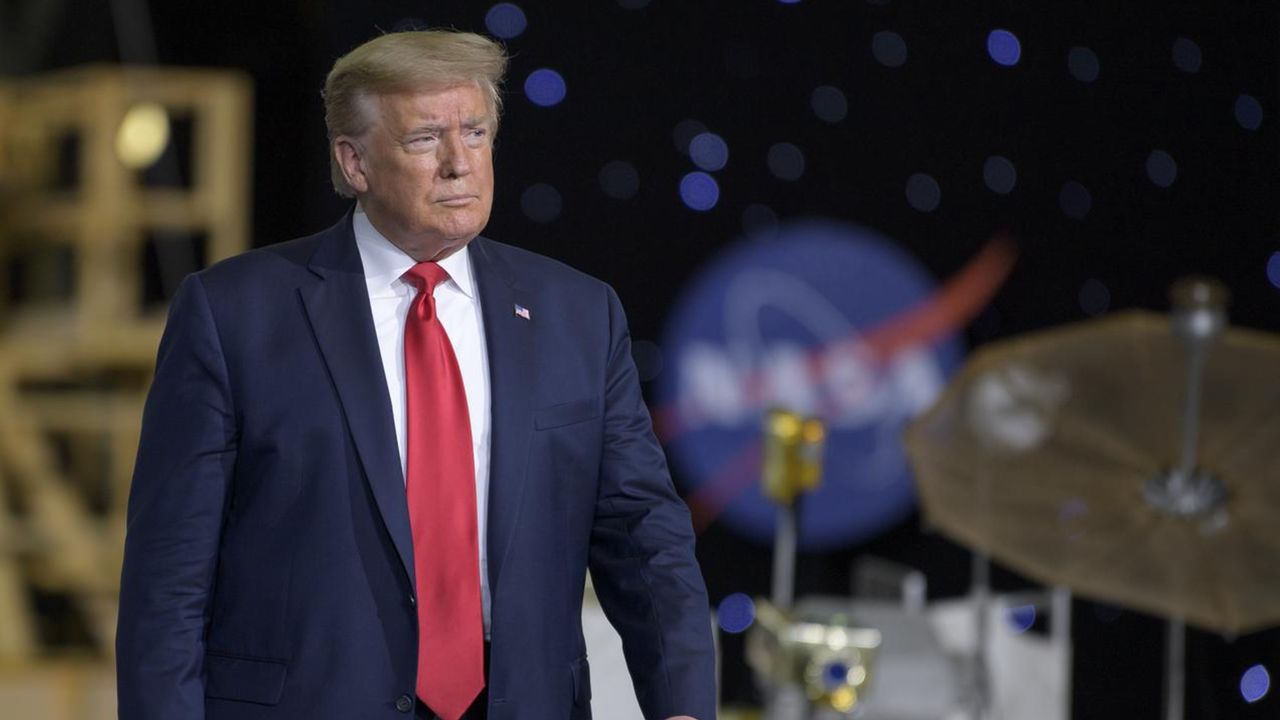
President Donald Trump has signed a new National Space Transportation Policy aimed at increasing the number of rocket launches within U.S. borders. The policy, published on August 20, sets ambitious goals for commercial, civil, and national security missions to orbit. By 2030, the U.S. aims to conduct more than 1,000 rocket launches annually, a significant increase from the current launch rate.
The policy emphasizes expanding infrastructure and procedures to support a more active space industry. Federal agencies are directed to identify and develop new launch and reentry sites, incorporate spaceflight operations into air traffic control management, and establish leases for private investment in new launch sites. Within 180 days of the memorandum's publication, NASA, the Department of Transportation, and the Department of Defense must begin these efforts.
A key focus of the policy is the development of rocket landing sites, with agencies tasked to identify federal lands suitable for development as independent launch vehicle reentry sites within the next 90 days. This includes prioritizing the expedited environmental review processes, first initiated through a commercial space executive order signed by Trump in August 2025.
Elon Musk, CEO of SpaceX, responded to the new policy by stating his company's ambition to launch 30 or more Starship flights daily by 2030, which would translate to over 10,000 launches per year. The policy also encourages a multi-launch option approach for government missions, with NASA and the Department of Defense tasked with maintaining multiple launch options and adaptable interfaces for payload transfers between different rocket providers.
In addition to launch capabilities, the policy highlights the importance of transportation after reaching orbit. It calls for advancements in in-space manufacturing, pharmaceutical development, high-value materials, and improved satellite positioning, navigation, and timing services. These enhancements could benefit industries such as agriculture and weather forecasting.
Beyond low Earth orbit, the policy expands the scope to include commercial lunar logistics architecture for moving cargo and payloads to and from the Moon's surface. NASA is already engaged in these efforts through its Commercial Lunar Payload Services and Artemis programs, with the directive to extend this reach to future missions to Mars.
Written by urgent.news from Space.com's reporting — not their text. Machine-written — may contain errors; check the original before relying on it.