Can Bangladesh Engage the Arakan Army Without Compromising Rohingya Rights?
Engagement may be required, but appeasement is not.
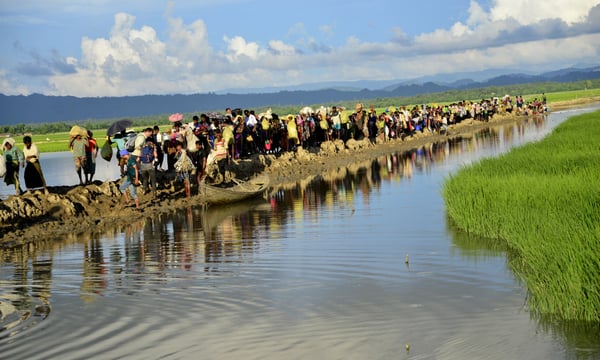
The Arakan Army, a Myanmar rebel group, has territory in Rakhine State and occupies a significant portion of the region. There are reports of ongoing conflict in May 2024, with Human Rights Watch documenting killings, wounding of civilians, and destruction of homes in Hoyyar Siri village in Buthidaung Township. These reports raise concerns about potential war crimes, as the Arakan Army denies responsibility and survivors are still denied justice.
This creates a dilemma for any repatriation plan, as the Rohingya refugees currently living in Bangladesh might not be safe returning to areas controlled by the Arakan Army. The Arakan Army's actions, which include arbitrary detention, enforced disappearance, forced recruitment, forced labor, extortion, property seizure, and restrictions on movement and employment, have been criticized by the United Nations and Human Rights Watch.
Furthermore, they have faced criticism for their exclusionary attitude towards Rohingya civilians and their failure to accept their self-identification. The situation in Bangladesh has also become increasingly precarious, with 1.2 million Rohingya refugees residing in the country, straining infrastructure, public services, and the environment.
However, sending refugees back to areas where their rights are not guaranteed would not solve the crisis. Instead, Bangladesh must approach the situation cautiously, engaging diplomatically with the United Nations, the Organization of Islamic Cooperation, ASEAN, and regional powers to create a monitoring mechanism for the Rohingya people's voluntary return and eventual citizenship.
This process should include guarantees of civilian protection and humanitarian access, and ensure Rohingya representatives are involved in the decision-making process. Ultimately, any repatriation plan should prioritize the Rohingya's safety, dignity, and right to self-determination, rather than simply moving the crisis to another location.
Written by urgent.news from The Diplomat's reporting — not their text. Machine-written — may contain errors; check the original before relying on it.