Why wild animals attack humans — and what makes one a ‘man-eater’
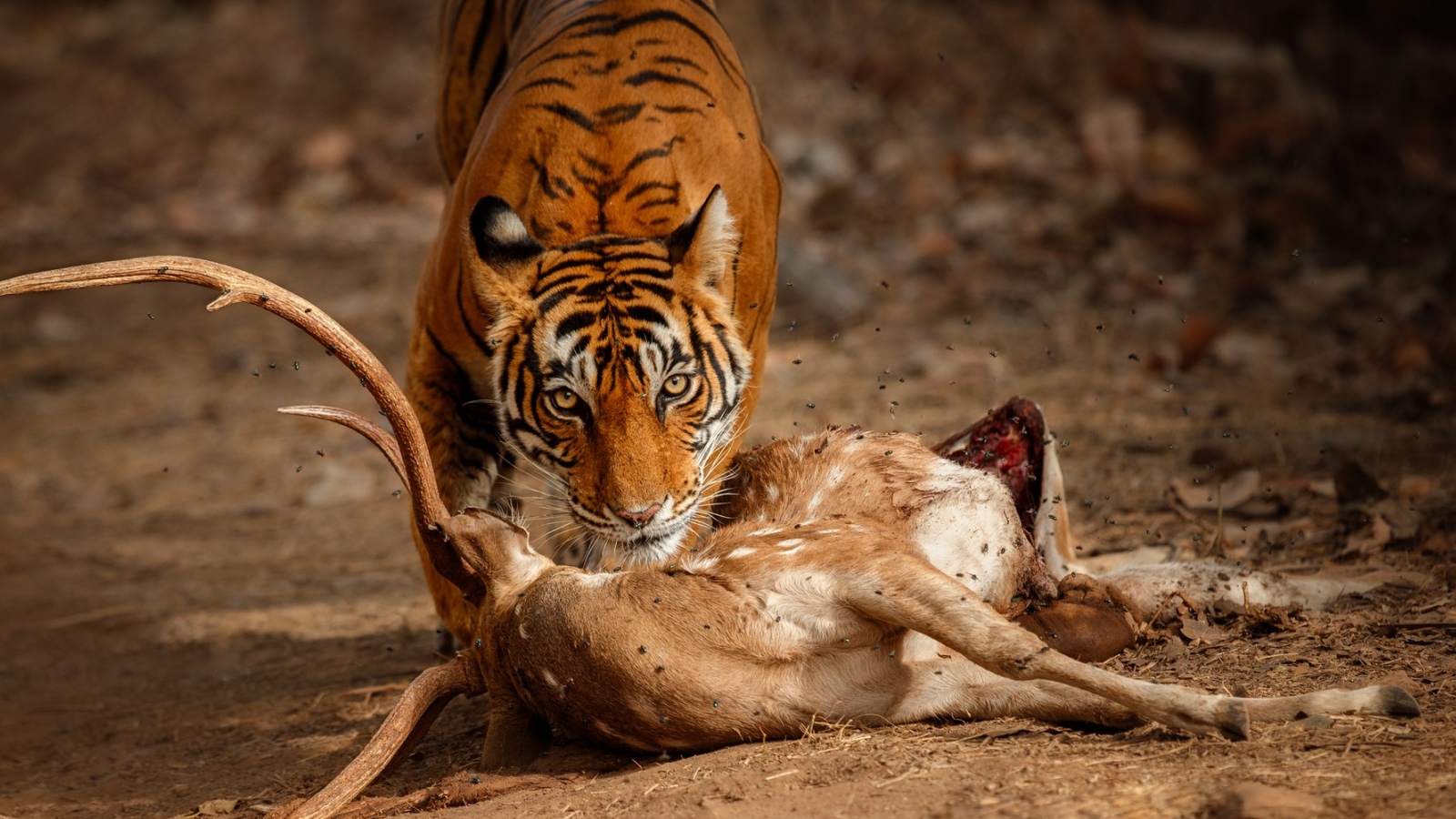
Wild animal attacks on humans are often widely reported, but it does not mean that an animal necessarily becomes a habitual predator of human beings. A BBC Future article delves into the reasons behind such encounters and explains how to differentiate between a single incident and a pattern of predatory behavior. Wildlife photographer and environmentalist Indrajit Ghorpade emphasizes the importance of not labeling an animal as a “man-eater” based on a single attack.
He clarifies that the term specifically applies to animals that repeatedly prey on humans as part of their behavior. According to Ghorpade, several factors can contribute to this abnormal behavior, including injury or illness, loss of natural prey, and increased interaction with human settlements. The Champawat tiger, infamous for killing hundreds before being shot by Jim Corbett, provides a historical example.
This particular tiger suffered from the loss of its upper and lower canines, which made hunting its natural prey challenging. Consequently, the tiger resorted to preying on humans for sustenance. However, not all animal attacks should be classified as man-eating behavior. Scavenging on human corpses, isolated incidents, and self-defense situations should not automatically be attributed to man-eating tendencies.
Ghorpade highlights that these instances can often be attributed to factors such as man-animal conflict, human-dominated landscapes, loss of prey, injury, or sickness. The distinction between a one-time attack and a pattern of predatory behavior is crucial, as wild animals can attack humans without developing a hunting pattern. A defensive leopard, a surprised bear, or a crocodile near a riverbank might pose a threat, but this does not necessarily mean the animal has become a habitual predator of humans.
Ghorpade advises that each case of human-wildlife conflict should be evaluated individually, with lethal measures being a last resort. When the threat persists and the animal repeatedly targets humans, authorities may need to intervene. However, determining whether the animal exhibits habitual man-eating behavior before taking such action is vital.
Understanding the circumstances surrounding an attack—whether it was defensive or predatory—and whether there is a recurring pattern can help differentiate genuine man-eaters from animals caught in frequent human-wildlife encounters.
Written by urgent.news from The Indian Express - Lifestyle's reporting — not their text. Machine-written — may contain errors; check the original before relying on it.
This story
This is one outlet's version. Read the fullest account.
- Why wild animals attack humans — and what makes one a ‘man-eater’ indianexpress.com