How China can turn its ‘blue cradle’ into a bridge with Southeast Asia
China has spent 80 years building formidable marine science capabilities. The harder test now is whether it can build rules for ocean data that its neighbours trust – and share. When China’s first department of oceanography was established in 1946, the country had only a modest capacity to study the seas around it. China now commands one of the world’s most extensive marine science enterprises,…
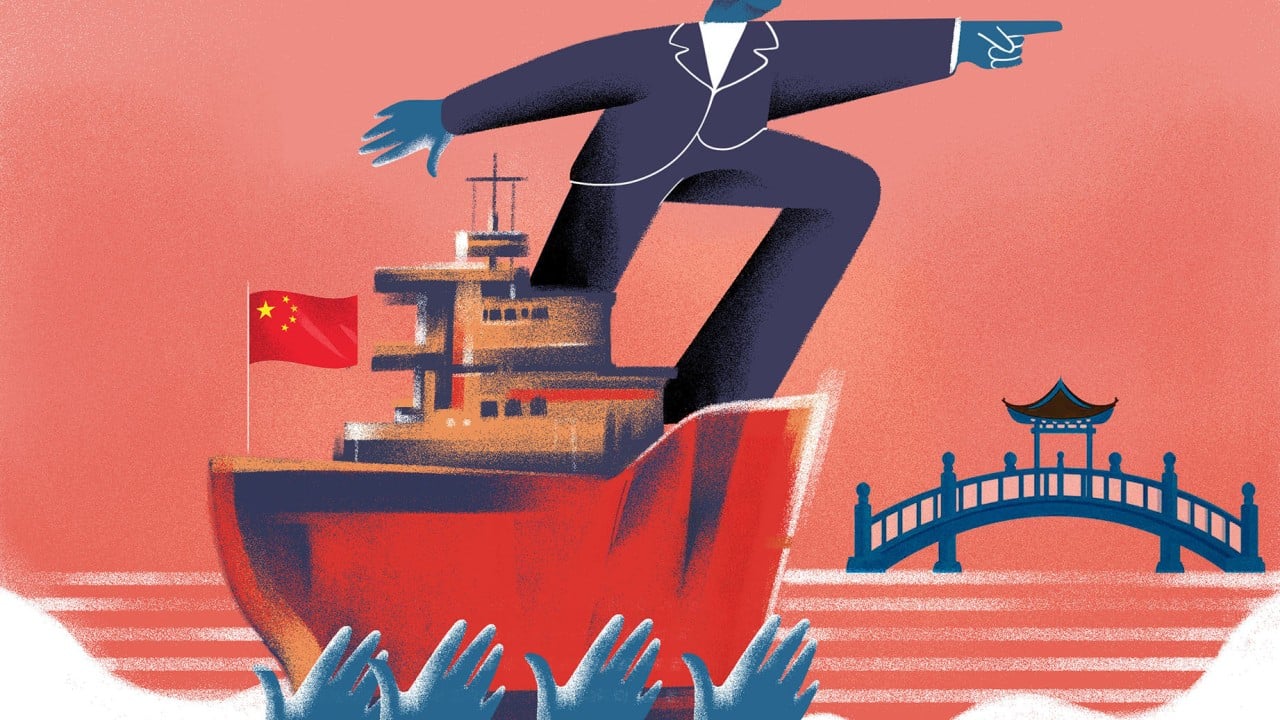
China has built a robust marine science infrastructure over the past 80 years, from its first department of oceanography established in 1946 to a formidable network of research fleets, satellites, and deep-sea technology. This scientific prowess positions China to host the permanent secretariat of the High Seas Treaty, which aims to establish global rules for ocean data sharing and cooperation.
However, the challenge lies in building trust among neighboring countries regarding the use and sharing of ocean data. To address this, Xiamen University, the home of China's marine research, must showcase a tiered ocean data framework with Southeast Asian partners, emphasizing shared governance and mutual benefits. By focusing on shared environmental concerns like fish stocks, coral reefs, and marine mammals, rather than territorial disputes, China can demonstrate how marine science can bridge political divides and foster stewardship of a shared ocean.
Practical steps include reciprocal access to research findings, joint rule-making, and capacity building programs. While challenges persist due to the sensitive nature of marine scientific research, fostering a collaborative environment through joint projects and shared data can pave the way for regional cooperation and a "maritime community with a shared future."
Written by urgent.news from Reuters Business via SCMP's reporting — not their text. Machine-written — may contain errors; check the original before relying on it.
This story
This is one outlet's version. Read the fullest account.