Why Marathi is now compulsory for Maharashtra’s auto, taxi drivers
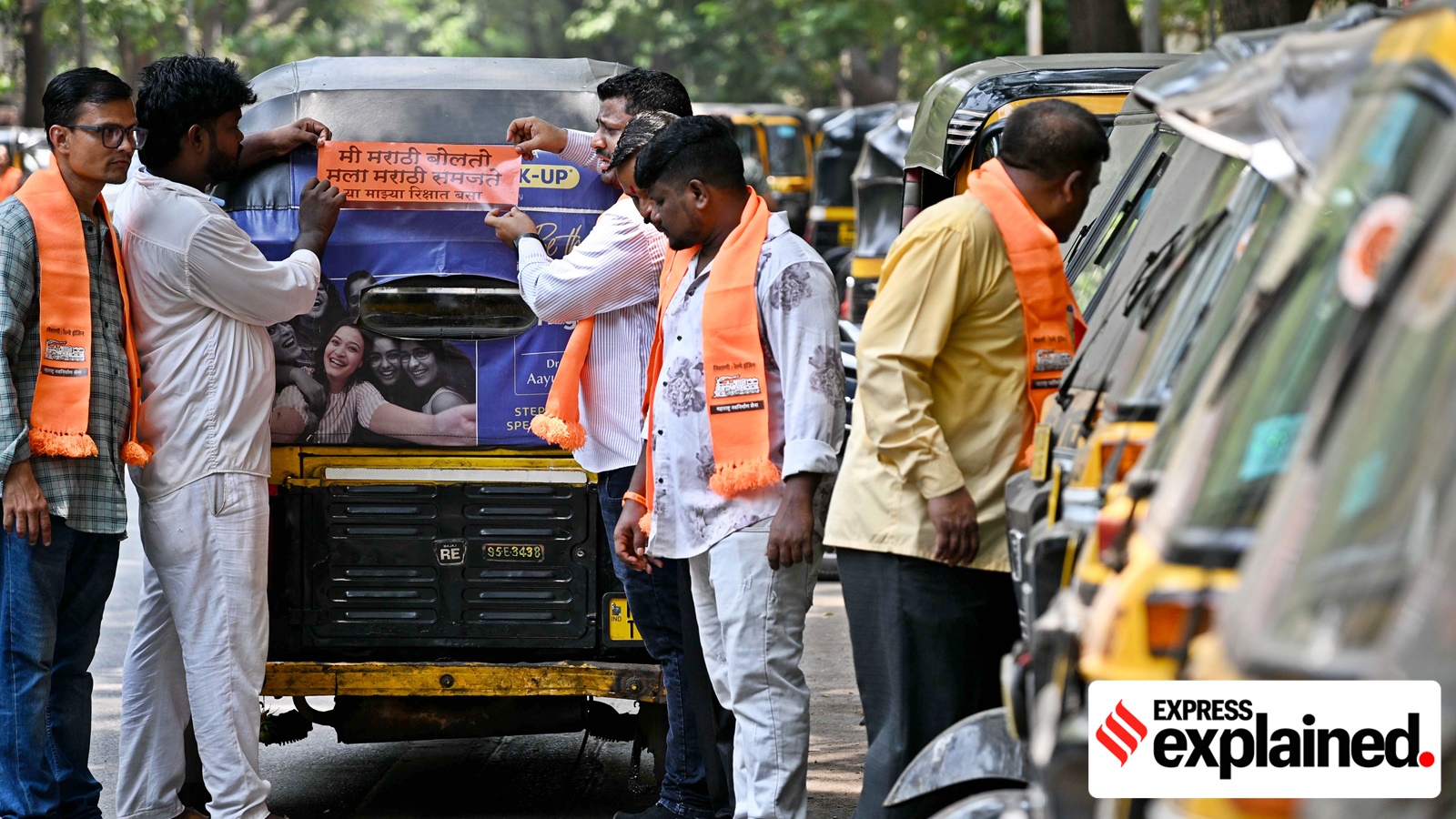
The Maharashtra government has initiated a mandate that requires auto rickshaw and taxi drivers to possess a grasp of the Marathi language, making linguistic competency a prerequisite for maintaining employment. This enforcement stems from a 105-day training and evaluation campaign, although numerous drivers have either faltered the test or are yet to conclude the training.
This mandate reignites a legal quandary following the Bombay High Court's reversal of a similar Marathi prerequisite for auto rickshaw permits in 2017, sparking debates about the legal grounding of the government's recent action. The Transport Department's justification for this requirement is to enable drivers to communicate effectively with passengers in Marathi, the state's native tongue.
Reports have surfaced of drivers struggling to comprehend passengers' instructions or converse with them in Marathi. The matter garnered attention earlier this year when a pilot inspection by the Mira-Bhayander RTO uncovered several autorickshaw drivers who, according to authorities, lacked proficiency in basic Marathi. Consequently, Transport Minister Pratap Sarnaik announced that auto-rickshaw and taxi drivers would need to be proficient in Marathi.
The department launched the 105-day initiative on May 1 across 59 Regional Transport Offices (RTOs), sub-RTOs, and language training centers. Over 4,500 instructors from the Konkan Marathi Sahitya Parishad and Mumbai Marathi Sahitya Sangh trained drivers in basic conversational Marathi, focusing on daily interactions with passengers, such as requesting destinations, discussing fares, interpreting directions, and responding to typical queries.
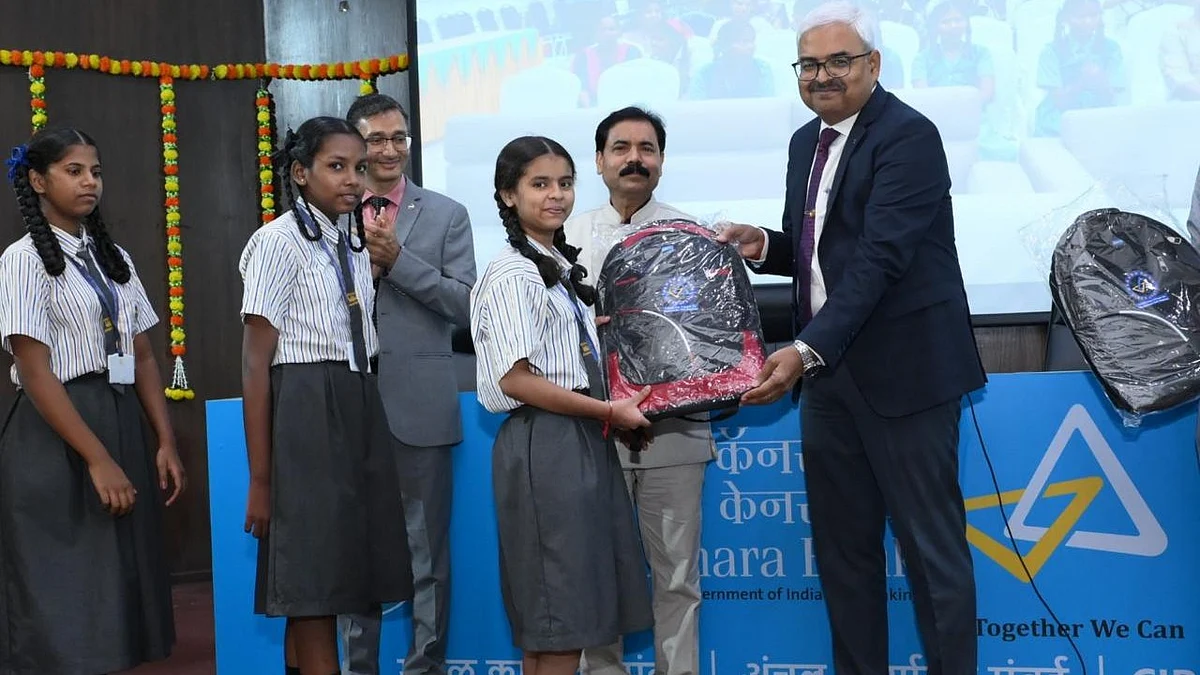
Drivers who completed the course and passed the examination were awarded certificates at a ceremony in Thane on August 17. Although the training aimed primarily at bolstering drivers' confidence in speaking Marathi rather than teaching the language anew, the statistics reveal that thousands of drivers still need to meet the requirement.
Out of nearly 1.25 lakh drivers who finished the program in Mumbai, 7,750 failed the assessment and must retake it, while more than 14,000 had not completed the training. The rationale behind targeting autos and taxis specifically lies in the fact that these drivers frequently interact with passengers and must understand fundamental instructions and communicate with commuters.
However, this mandate has also sparked concerns among driver groups, especially since many drivers are migrants and some are older workers with limited formal education. The unions contend that the government should prioritize training over penalizing drivers whose livelihood hinges on their licenses. The issue assumes particular importance in Mumbai, which hosts over 2.8 lakh autorickshaw permits and approximately 20,000 taxi permits, encompassing an estimated five lakh drivers across shifts.
Driver unions argue that the requirement could disproportionately affect migrant drivers and that failing to meet it should not result in the loss of a livelihood. The legal question surrounding this requirement is not entirely novel; it has been challenged before. In 2017, the Bombay High Court overturned a Transport Department decision mandating Marathi proficiency for auto rickshaw permits, ruling that auto rickshaws do not fall under the category of "motor cabs" and that Rule 24 of the Maharashtra Motor Vehicles Rules, which stipulates language requirements for certain Public Service Vehicle (PSV) badges, explicitly excludes motor cabs.
The court concluded that Rule 24 could not be used to impose Marathi proficiency as a condition for an autorickshaw contract carriage permit and that the government must comply with the Motor Vehicles Act and the rules framed under it. The Transport Department, however, maintains that the current action is about enforcing existing rules and differentiates between permits and badges, arguing that Rule 24 applies to badges, and the 2017 judgment did not invalidate the language requirement for badges.
The government subsequently amended Rules 4, 78, and 85 to establish Marathi proficiency as a condition for authorisation, permits, and renewals. These draft rules have been circulated for objections and suggestions. Drivers who fail to meet the proficiency requirement will not lose their licenses immediately. They will initially receive a notice and one month to acquire Marathi skills.
If they fail to comply, their Public Service Vehicle (PSV) badge and driving license may be suspended for three months. Persistent violations could lead to permanent suspension. Additionally, the department is investigating other irregularities, including allegations of the use of fake domicile certificates to obtain permits and badges.
Written by urgent.news from The Indian Express's reporting — not their text. Machine-written — may contain errors; check the original before relying on it.
This story
This is one outlet's version. Read the fullest account.