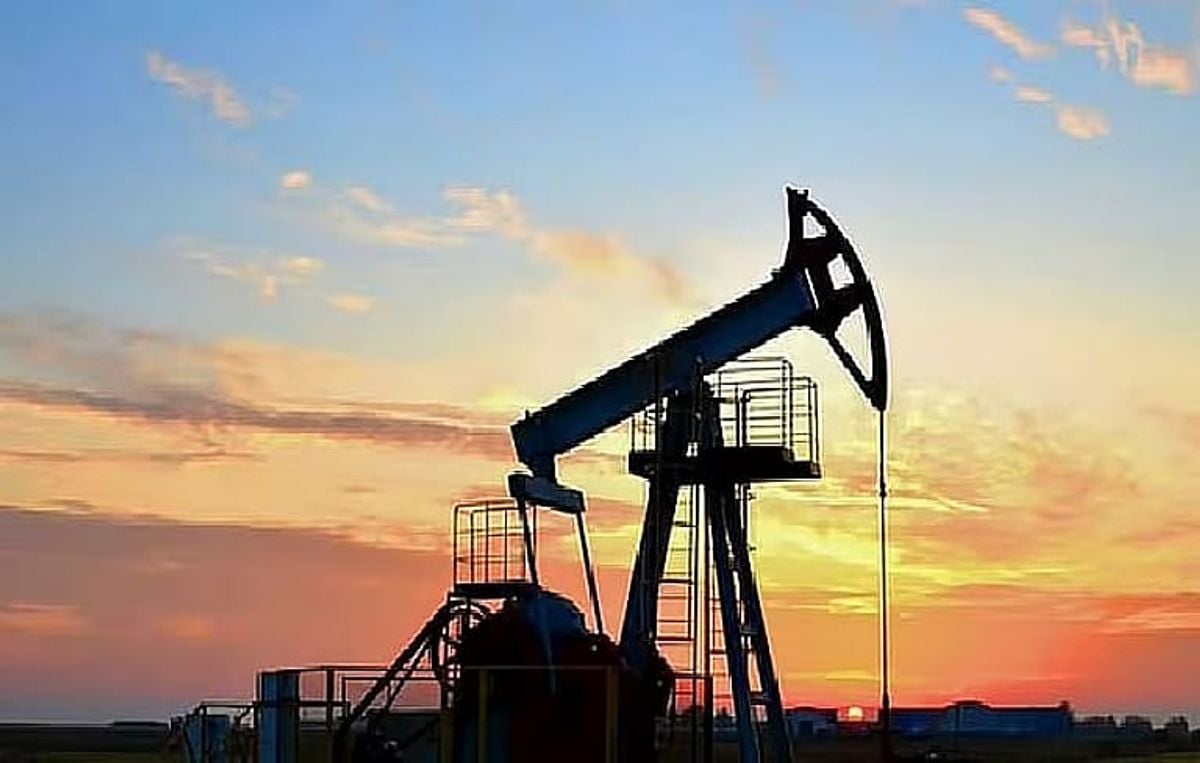
Oil surges nearly 3 per cent as US tightens pressure on Iran after Hormuz deal expires
Oil prices surged nearly 3 per cent on Thursday, extending a five-day rally as the expiry of a US-Iran memorandum of understanding and renewed pressure from Washington raised fears of further supply disruptions. Brent crude, the global benchmark, rose 2.56 per cent to about $94 a barrel by 3.56pm UAE time, while West Texas Intermediate gained 2.57 per cent to $88.40. Prices climbed after US…
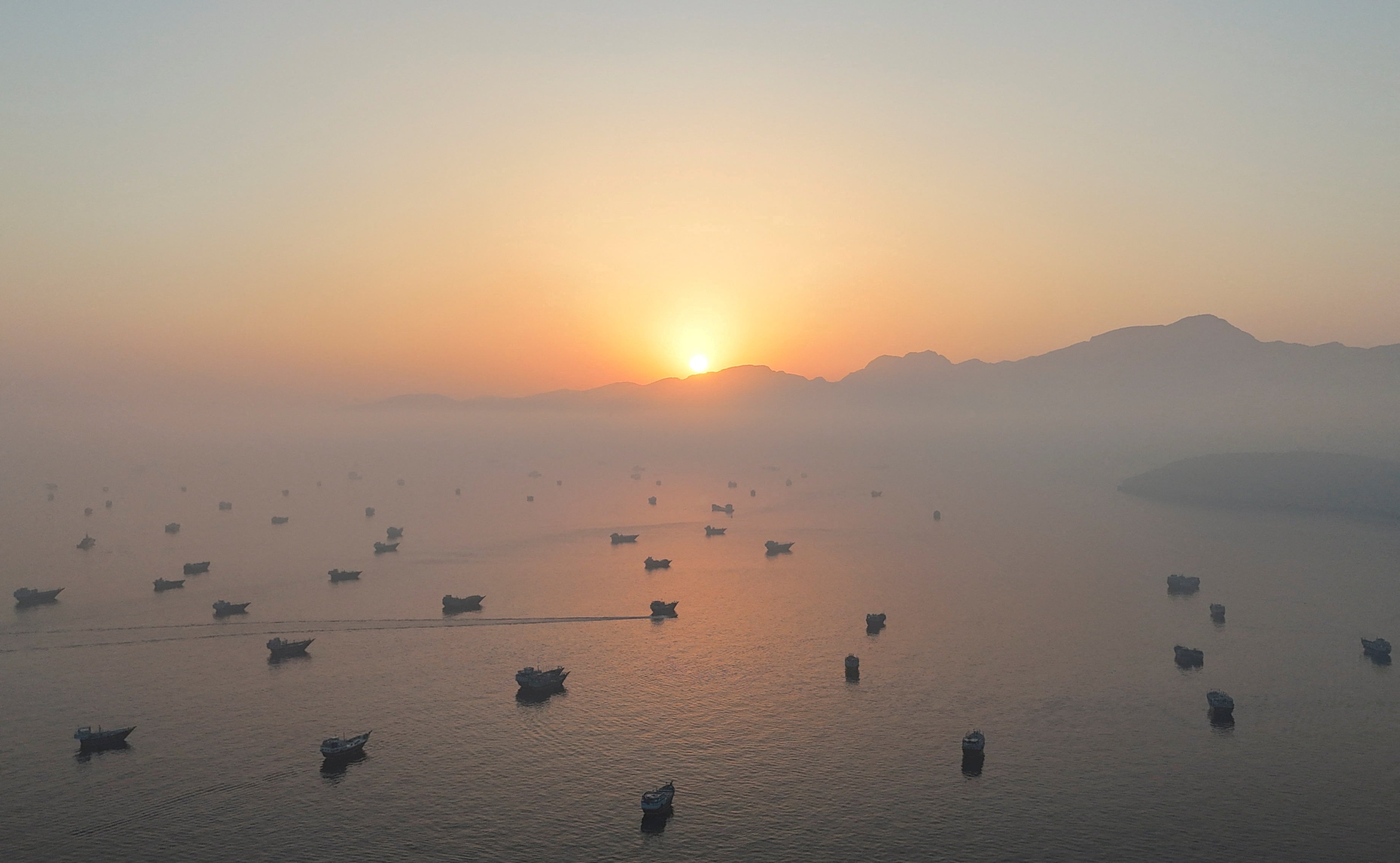
Gulf states have intensified their diplomatic efforts to resolve the Iran standoff, with Qatar and Oman spearheading a regional initiative aimed at reaching an interim agreement to reopen the Strait of Hormuz for shipping. The move follows the hijacking of a tanker east of Yemen in the Gulf of Aden, which was reportedly diverted towards Somalia.
Qatar's Prime Minister, Sheikh Mohammed bin Abdulrahman, disclosed that Doha is currently mediating between Iran and the United States, while a parallel effort led by Oman seeks a temporary solution to the crisis.
Sheikh Mohammed emphasized that Qatar's focus remains on ensuring freedom of navigation without any country's intervention, and that the maritime routes should not be held hostage by political pressures. The Qatari leader also urged the Iranian side to assume its responsibilities, address regional needs, and acknowledge the damage caused to the region due to the situation.
He expressed hope that the Iranian side would take responsibility and contribute to defusing the crisis. Sheikh Mohammed met Saudi Foreign Minister Prince Faisal bin Farhan in Riyadh, discussing ways to de-escalate tensions and enhance regional security.
Oman and Japan have called for a final agreement and a political solution to the tensions involving Iran, while stressing the importance of freedom of navigation through the Strait of Hormuz under international law. Omani Foreign Minister Badr Albusaidi reiterated Oman's commitment to maritime security and adherence to international law, rejecting any escalation or conflict.
Japanese Foreign Minister Toshimitsu Motegi described the situation concerning Iran as "a very critical stage" and called for candid discussions to ease tensions.
Egyptian Foreign Minister Badr Abdelatty condemned Iranian attacks on Qatar and other Gulf states, hosting a meeting with Qatari counterpart Sheikh Mohammed to enhance diplomatic efforts. Both sides are working together to de-escalate and strengthen diplomatic relations. The Gulf states' diplomatic push follows US President Donald Trump's warning of economic consequences for countries assisting Iran, including financial institutions, businesses, airports, and governments.
Iran's Central Bank governor Abdolnaser Hemmati reported that the country has halted oil exports due to restrictions, and the loss of oil revenue has led to increased constraints on foreign exchange access. Iran's frozen funds have not yet been released under the recent agreement with Washington, and the country is grappling with inflation, currency weakness, energy shortages, and disruptions to trade and infrastructure.
Iranian Foreign Minister Abbas Araghchi accused the United States of employing "economic terrorism" that threatens the global economy and national sovereignty. Despite the mounting economic pressure, Iran has indicated its willingness to engage in dialogue with the US, but stresses that negotiations do not equate to surrender. Iranian adviser Mohammad Mokhber noted that military pressure and sanctions would not break Iran's resolve.
Written by urgent.news from The National Business's reporting — not their text. Machine-written — may contain errors; check the original before relying on it.
This story
This is one outlet's version. Read the fullest account.
- Iraq tangles with Iran over name of the Gulf thenationalnews.com
- Hormuz paradox: Why flowing oil could prolong Iran war gulfnews.com