Hormuz paradox: Why flowing oil could prolong Iran war
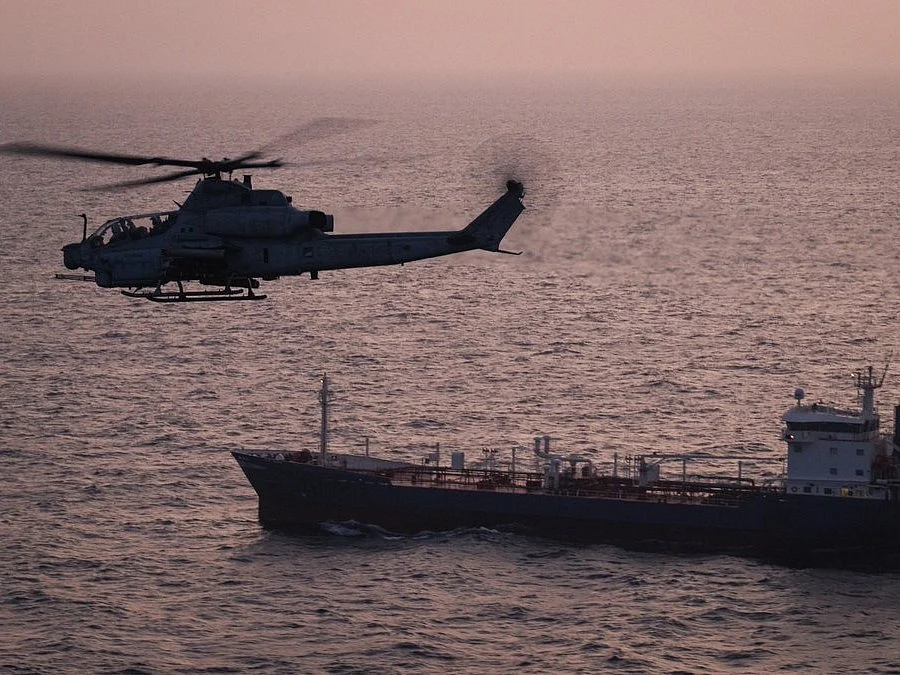
Since mid-July, the Strait of Hormuz has seen a significant drop in shipping activity, with only approximately two to three Very Large Crude Carriers (VLCCs) passing through daily on average. Prior to the conflict, around eight VLCCs navigated the strait each day. The reduction in traffic, though not entirely accurate due to "dark" transits, remains substantially below its pre-war levels.
Iran does not need to fully block Hormuz, as the mere threat of attacks is enough to dissuade many shipping companies from entering the area. According to estimates, 72 out of 84 tankers crossing since July 7 likely utilized the United Nations-approved route through Omani waters. The ongoing oil flow through Hormuz and alternative channels, such as ship-to-ship transfers, has created a stalemate: Iran can disrupt the strait, but it cannot entirely halt the export of Gulf oil.
The United States, on the other hand, can maintain some oil movement but cannot restore normal shipping conditions. This uneasy balance is exacerbating the economic and political consequences of the ongoing conflict, which could potentially last into 2027 or beyond. As oil prices surge and the situation remains unresolved, the struggle over Hormuz continues to exert considerable influence on global markets and the dynamics of the Iran conflict.
Written by urgent.news from Gulf News's reporting — not their text. Machine-written — may contain errors; check the original before relying on it.
This story
This is one outlet's version. Read the fullest account.
- Iraq tangles with Iran over name of the Gulf thenationalnews.com