Gulf states push to break Iran deadlock and reopen Strait of Hormuz
Gulf states stepped up efforts on Thursday to break the Iran deadlock, with Qatar and Oman leading a regional diplomatic initiative for an interim deal to restore shipping through the Strait of Hormuz. The initiative came as the United Kingdom Maritime Trade Operations said six gunmen had hijacked a tanker east of Yemen in the Gulf of Aden and diverted it towards Somalia. Qatar’s Prime Minister,…
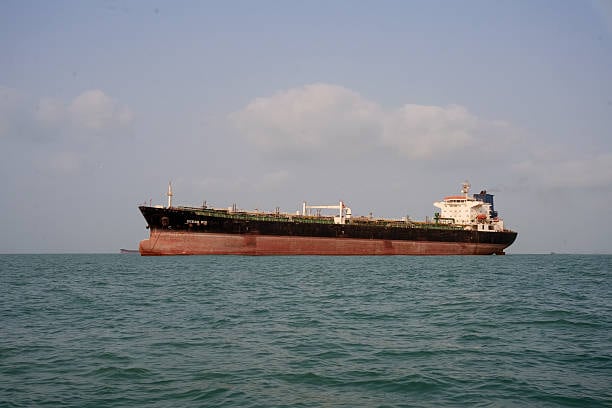
Gulf states have intensified their diplomatic efforts to resolve the Iran deadlock and reopen the Strait of Hormuz, according to a report. Qatar and Oman are spearheading a regional initiative aiming for an interim deal that would restore shipping through the strategically vital waterway. This comes amidst a recent incident where six gunmen hijacked a tanker east of Yemen and directed it towards Somalia, as reported by the UK Maritime Trade Operations.
Qatar’s Prime Minister, Sheikh Mohammed bin Abdulrahman, confirmed that Doha is actively mediating between Iran and the United States. He emphasized the importance of guaranteeing freedom of navigation without any country's intervention, stating that the Strait of Hormuz should not be held hostage to political pressures. Qatar is also consulting with other Gulf Cooperation Council states and regional partners to explore additional diplomatic avenues with Iran.
Oman and Japan are calling for a final agreement and a political solution to the tensions involving Iran, while stressing the importance of freedom of navigation through the Strait of Hormuz under international law. Oman's Foreign Minister, Badr Albusaidi, affirmed the country's commitment to maritime security and adherence to international law. Japanese Foreign Minister Toshimitsu Motegi described the situation concerning Iran as "at a very critical stage" and urged candid discussions to de-escalate tensions.
The diplomatic push follows US President Donald Trump's threat of unprecedented economic pressure on Iran and countries providing it with a "lifeline." If financial institutions, businesses, airports, and governments assist Iran, they will face "tremendous economic consequences," Trump warned. Meanwhile, Iran's Central Bank Governor, Abdolnaser Hemmati, reported that the country is currently exporting no oil, facing restrictions on oil exports and constrained access to foreign exchange.
Iranian Foreign Minister Abbas Araghchi accused the United States of using "economic terrorism" and warned that its pressure campaign jeopardizes the global economy and national sovereignty. Despite these tensions, Iran remains open to dialogue with the US, but does not equate negotiations with surrender. Iran's Supreme Leader's adviser, Mohammad Mokhber, stated that military pressure and sanctions would not break Iran's resolve.
Written by urgent.news from The National UAE's reporting — not their text. Machine-written — may contain errors; check the original before relying on it.
Also reported by 2 other outlets
- Iraq tangles with Iran over name of the Gulf thenationalnews.com
- Hormuz paradox: Why flowing oil could prolong Iran war gulfnews.com