No One Knows How Whale Sharks Give Birth—But This Neonatal Shark Discovery Provides Some Clues
A rare find on a fishing expedition The post No One Knows How Whale Sharks Give Birth—But This Neonatal Shark Discovery Provides Some Clues appeared first on Nautilus .
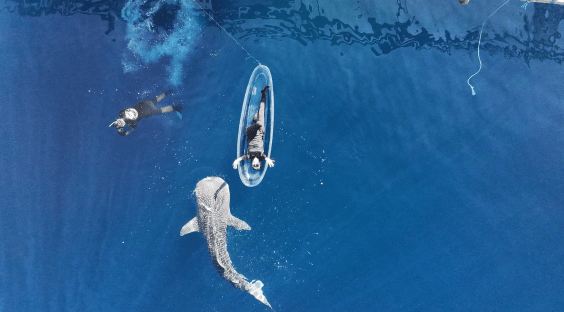
On September 6, 2024, a fishing crew in Saleh Bay on the Indonesian island of Sumbawa unexpectedly contacted local scientists instead of continuing their search for fish. They had spotted a four-month-old whale shark (Rhincodon typus) struggling in their nets, an exceedingly rare occurrence. This marked the first sighting of such a young whale shark in Indonesia and one of just a few dozen globally, as little is known about their mating and birthing processes.
Scientists from Konservasi Indonesia, a conservation group, rushed to the scene to study the newborn shark. Prior to these observations, the only confirmed evidence of whale shark reproduction came from a single female named "megamamma," which was found off the coast of Taiwan in 1995 carrying around 300 fertilized eggs and embryos.
These embryos and hatchlings were born alive and capable of swimming immediately. The recent discovery of this neonatal whale shark, measuring 53 to 57 inches in length, and the spotting of other whale shark pups in the same area earlier in the month, suggests that Saleh Bay may be a birthing and nursery site for these creatures.
Mochamad Iqbal, a senior conservation manager at Konservasi Indonesia, stated that if this is confirmed, Saleh Bay would be the first officially identified birthing location for whale sharks worldwide. The researchers are now striving to gather more evidence of these pups and advocate for the area to be designated as an official whale shark protection zone.
This would ensure the continued survival of this endangered species despite threats from human activity and climate change.
Written by urgent.news from Nautilus's reporting — not their text. Machine-written — may contain errors; check the original before relying on it.