SpaceX’s orbital data centers would create a new category of e-waste
The yeetcycling math resembles asteroid mining in reverse.
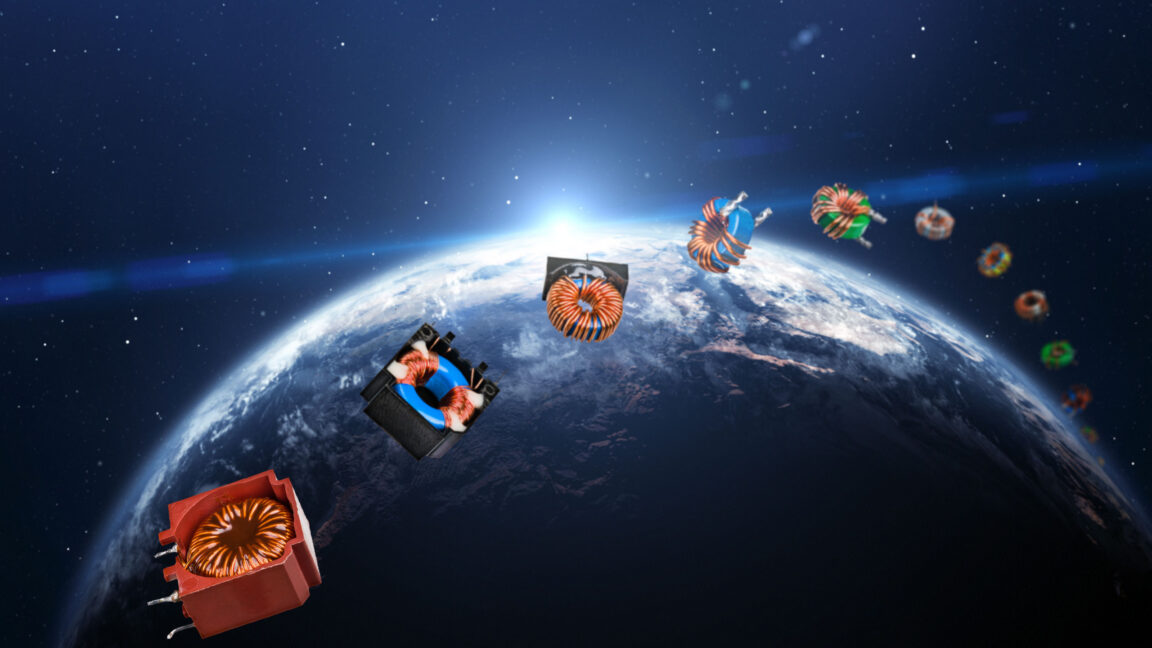
Elon Musk's ambitious plans for a massive AI data center satellite constellation present a new challenge in managing e-waste. While practical and economical considerations may make this vision difficult to achieve, it remains a unique concept that could significantly impact material sustainability. The commercial space sector has long explored mining asteroids for precious metals, but the reverse scenario—sending valuable materials into space from Earth—poses unique challenges.
Currently, Starlink has doubled the mass of objects in low-Earth orbit, and this proposed satellite constellation would dwarf that in scale and disposal. In its May 29 FCC filing, SpaceX estimated that roughly 200,000 of the 1 million proposed AI satellites would need decommissioning annually, with about 40,000 expected to deorbit and burn up in the atmosphere.
However, the remaining 160,000 satellites would be moved to a distant "disposal" orbit, effectively removing them from the material life cycle. This approach would result in valuable resources being lost to space, causing diffuse contamination and potentially contributing to ozone depletion over time. As the data center GPUs have a projected five-year lifespan, the issue of managing e-waste becomes increasingly pressing in the context of this ambitious space mission.
Written by urgent.news from Ars Technica's reporting — not their text. Machine-written — may contain errors; check the original before relying on it.