Southeast Asia is a hotspot for oak trees, many under ‘dire threat’
Southeast and East Asia may be famous for towering dipterocarps or massive conifers, but a new report highlights that the region is also home to more threatened oak species than anywhere else in the world. “While it may not be the region that first comes to mind when we think of oaks, it’s a really […]
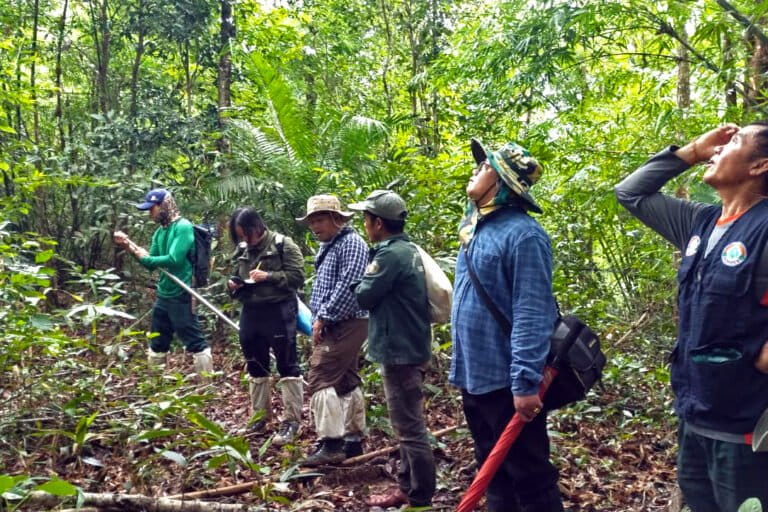
Southeast and East Asia may not be the first regions that come to mind when thinking of oak trees, but a new report has revealed that the area is home to a significant number of threatened oak species. The study, conducted by researchers from The Morton Arboretum, highlights that 172 of the world's 430 oak species are found in this region. Kate Good, the lead author of the report, emphasized that many of these oak species are currently facing "dire threats" due to various factors.
The report focused on 54 threatened or data-deficient oak species in several countries, including Vietnam, Laos, Thailand, Cambodia, Myanmar, Brunei, Malaysia, Singapore, Indonesia, the Philippines, Timor-Leste, Korea, Japan, and Taiwan. Of these, 46 species were found to have "very high" or "high" human pressure in over half of their range in 2024.
The primary threats to these oak species include the expansion of agriculture, particularly wood and pulp plantations, as well as oil palm and rubber plantations. Other factors contributing to the decline of these oak species include small population sizes, urban development, and the impacts of climate change.
To address these urgent conservation needs, the researchers suggest collecting and propagating the acorns of critically endangered oak species, such as Quercus austrocochinchinensis. The goal of this report, according to Good, is to raise awareness about the vital need to protect oak biodiversity in Asia.
Written by urgent.news from Mongabay's reporting — not their text. Machine-written — may contain errors; check the original before relying on it.
This story
This is one outlet's version. Read the fullest account.