Depression doesn’t shrink the brain like we thought it did
For the past decade, depression has been linked to a shrunken hippocampus, which has a vital role in memory. But a large study using up-to-date scanning techniques suggests this may not be the case
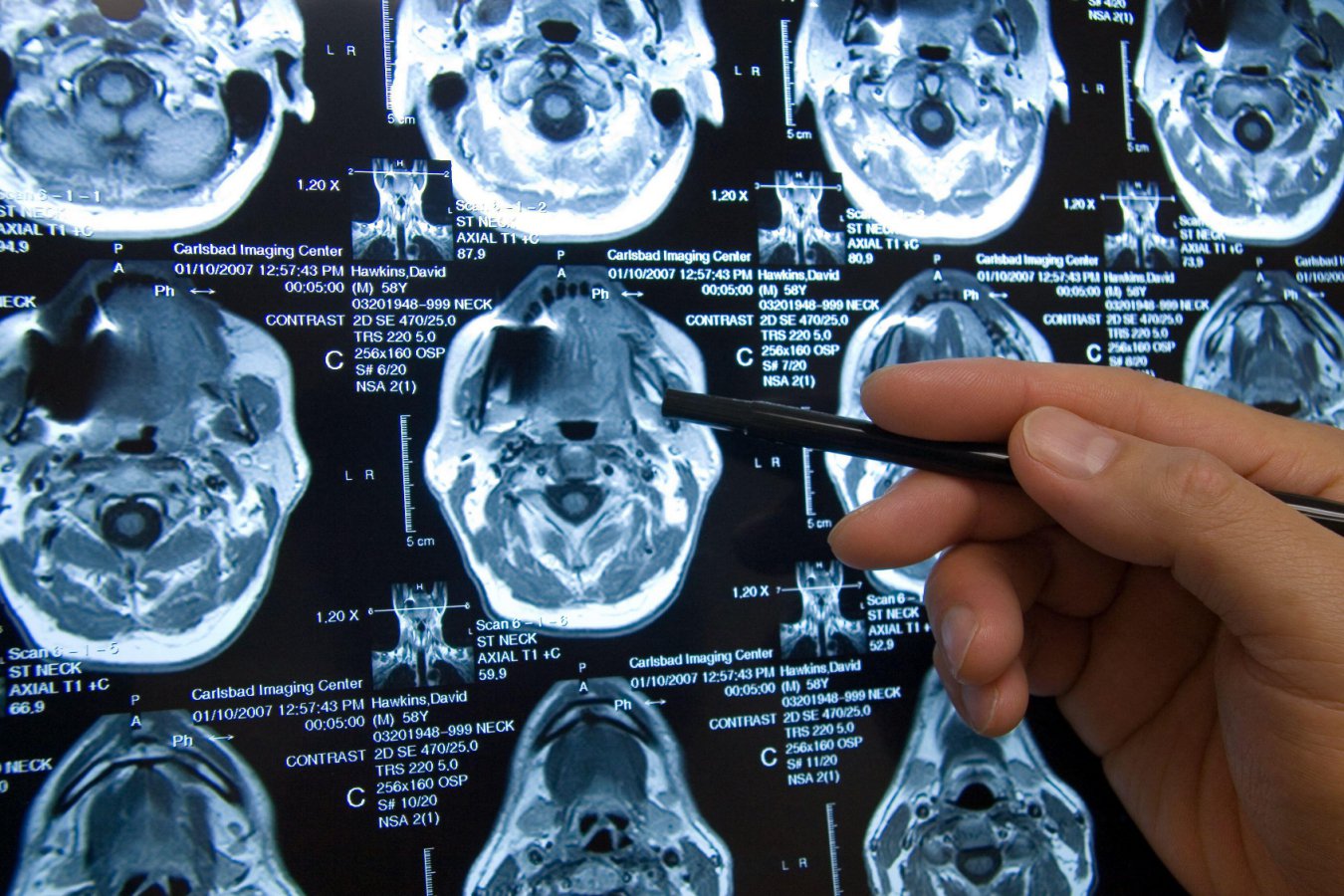
A revised analysis of brain scans from over 23,000 individuals has found no significant link between depression and hippocampal shrinkage, contrary to previous studies. In 2015, a study of nearly 9,000 people suggested that recurrent depression could cause the hippocampus, which is crucial for memory, to shrink over time. However, the newer research, conducted by Janine Bijsterbosch and her colleagues at Washington University School of Medicine in St Louis, analyzed brain scans from 23,417 participants across six large-scale datasets in the US and the UK.
They used more advanced imaging techniques and were surprised to discover that depression, assessed through questionnaires, did not have a significant impact on hippocampal volume. Instead, the researchers found that depression was linked to reduced grey matter volume in the frontal cortex, anterior cingulate, and insula. These areas are involved in emotional regulation, decision-making, motivation, and pain perception.
The frontal cortex is also linked to judgment and self-control. While the reduced volumes may help explain common depression symptoms like brain fog and pain, the exact reason for these specific effects is unclear. One possibility is that areas like the insula have high neuroplasticity, making them more vulnerable to stress. The study's findings suggest that further exploration of depression's effects on the brain could help understand its relationship with dementia risk.
Brain shrinkage could potentially raise the risk of cognitive decline, and treatments like transcranial magnetic stimulation, which stimulates specific brain areas, may be explored. The study emphasizes the need for a clearer understanding of the brain basis of depression to inform personalized treatment approaches.
Written by urgent.news from New Scientist's reporting — not their text. Machine-written — may contain errors; check the original before relying on it.