[속보] 종합특검, ‘도이치 김건희 수사 무마’ 혐의 이창수 등 5명 불구속 기소
The volume of cargo ships passing through the Hormuz Strait has surged nearly five times over the span of two weeks, signaling a weakening of Iran's control over the Strait, according to recent reports. The New York Post, on February 22, cited data from the UK Maritime Trade Organization (UKMTO), which showed a significant increase in the number of ships using the Hormuz Strait.
In just one week, the number of ships passing through the Hormuz Strait jumped from 151 to 192, and over a two-week span, it soared from 39 to 193. This marked a clear recovery from the previous levels of 76 and 75 ships, respectively, from two weeks earlier. However, the current traffic still only accounts for about 20% of the pre-war situation.
Ship operations in the Hormuz Strait were effectively halted following the outbreak of war with Iran, but recent trends show a gradual recovery, fueled by ships using the Oman route, which is supported by the United States and approved by the International Maritime Organization. According to Kaipiler, a shipping information firm, over 80% of the liquid cargo ships passing through the Hormuz Strait have utilized the Oman route or have been operating without transmitting location signals.
Kaipiler's analysis suggests that some of these ships may have also been using the same route. Kiara Palakshahi, the senior analyst for oil at Kaipiler, noted the clear signs of Iran losing some control over the Hormuz Strait, while Dan Pickering of Pickering Energy Partners described the Oman route as the most rational choice for the ships.
Most of the ships on passage were registered in neutral countries like Panama and Liberia, with half of them being bulk carriers and tankers. However, the nationality of the ships does not necessarily reflect the actual ownership. Despite the increased traffic, the Hormuz Strait remains a high-risk area for maritime transportation due to the ongoing tensions, evidenced by the recent attacks on five ships by Iranian missile systems, resulting in two casualties.
The US has been assisting in disabling Iranian radars and tracking systems, and deploying fighter jets to support safe passage of vessels through the Hormuz Strait. Some ships have been utilizing the 'shadow fleet' tactic of turning off their tracking devices to navigate close to the Iranian coast to avoid detection. President Donald Trump declared the Hormuz Strait open and normal operations resumed on the same day, warning of unprecedented economic sanctions if needed.
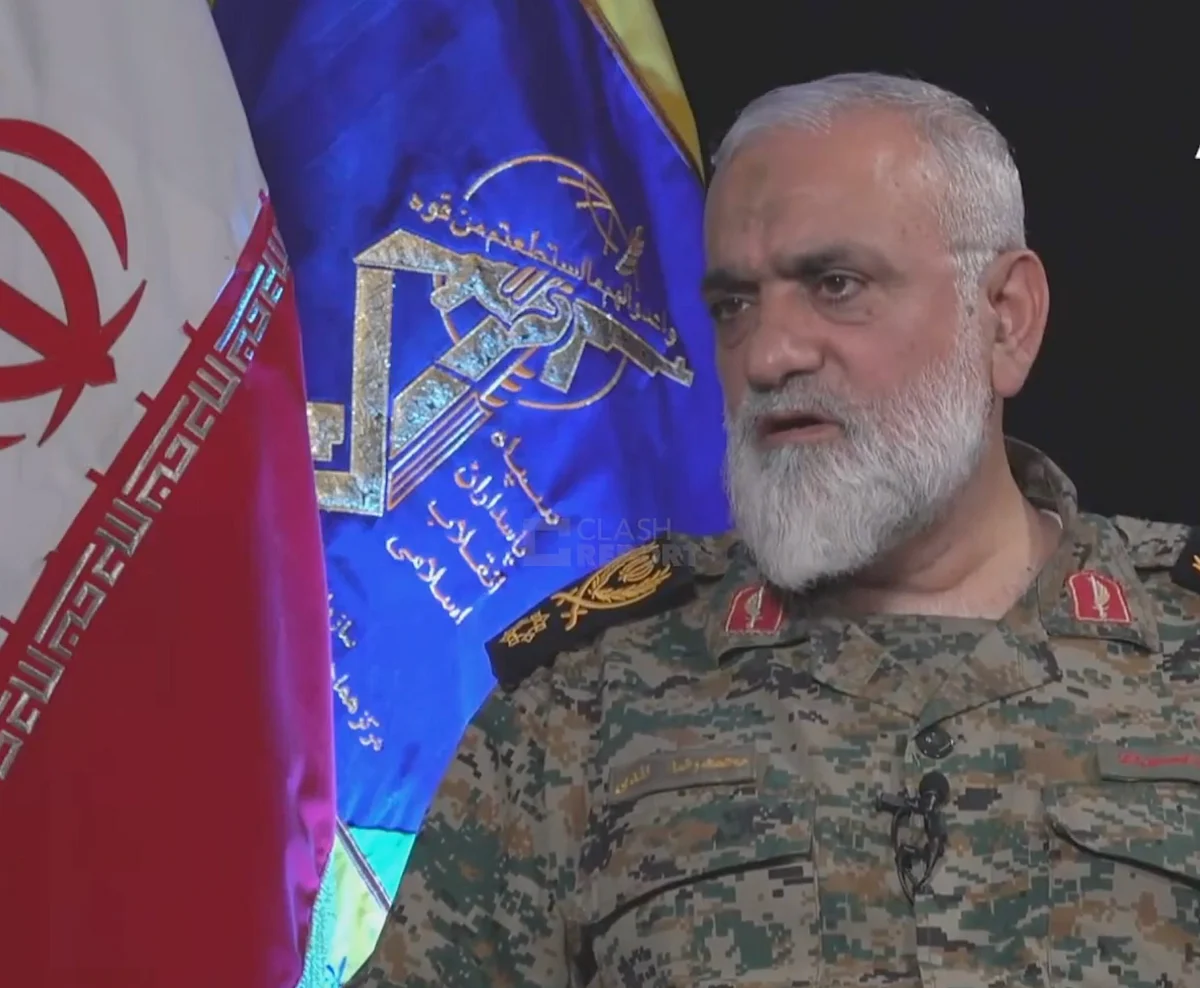
On the other hand, Mohammad Javad Larijani, the head of Iran's Supreme National Security Council, vowed a "quake-like retaliation." The recent surge in ship volume in the Hormuz Strait underscores the ongoing risk of maritime transportation in the region despite the recent recovery.
Written by urgent.news from Hankyoreh's reporting — not their text. Machine-written — may contain errors; check the original before relying on it.
This story
This is one outlet's version. Read the fullest account.
- ‘경기남부 반도체벨트’ 광역도로망 5개 노선 ‘예타’ 통과 hani.co.kr
- 【動画まとめ】石川・富山にレベル5大雨特別警報 道路冠水など発生 asahi.com