ISS spacewalkers discover there's no such thing as a quick antenna job
Astronauts removed broken hardware but will have to return for more orbital DIY
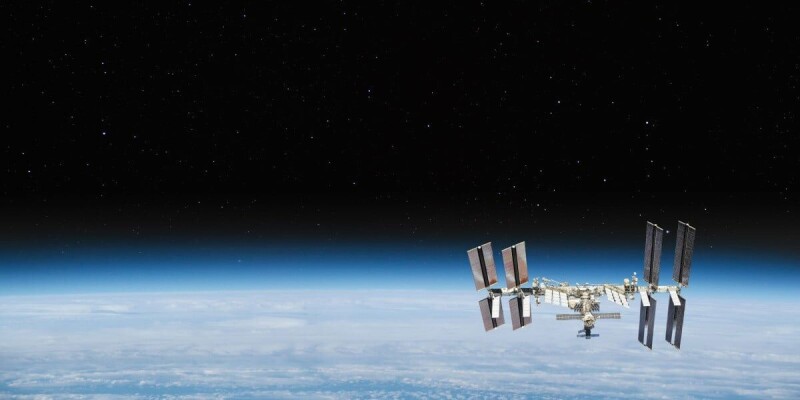
Spacewalkers aboard the International Space Station encountered unexpected obstacles while attempting to replace an antenna. The task, originally planned to be a quick job, stretched well beyond its anticipated timeframe due to stubborn electrical connections and bolts that proved difficult to remove. Anil Menon, an astronaut from NASA, and Sophie Adenot from the European Space Agency embarked on the mission to replace the faulty antenna.
However, their effort was hampered by unforeseen complications, causing them to leave the task unfinished. Menon operated the Canadarm2 from the Quest airlock, while Adenot remained tethered to the station's structure. They were tasked with removing the problematic antenna, installing a spare unit from an external platform, and stowing the old antenna.
Despite their best efforts, they were unable to complete the installation of the replacement antenna. The space-to-ground antenna plays a crucial role in providing high-data-rate communications, and the ISS currently has a fully functional unit. However, restoring the redundancy of the antenna system is a priority for the mission managers.
The next spacewalk is scheduled for August 25, but it remains uncertain whether the unfinished antenna work will be included in the planned activities.
Written by urgent.news from The Register Science's reporting — not their text. Machine-written — may contain errors; check the original before relying on it.