World Photography Day: How NASA imagery has shaped our understanding of the Earth, the universe and existence
This World Photography Day we look at some of the most iconic images captured by the US space agency, which have taught us about our very existence and place in the cosmos
Since its founding in 1958, NASA has played a pivotal role in expanding our understanding of Earth, the universe, and natural phenomena. Through captivating images captured by spacecraft and pioneering astronauts, the agency has amassed a remarkable collection of photographs that have profoundly shaped our perception of our place in the cosmos. On this World Photography Day, let's delve into some of the most iconic images that have contributed to this monumental shift in our collective consciousness.
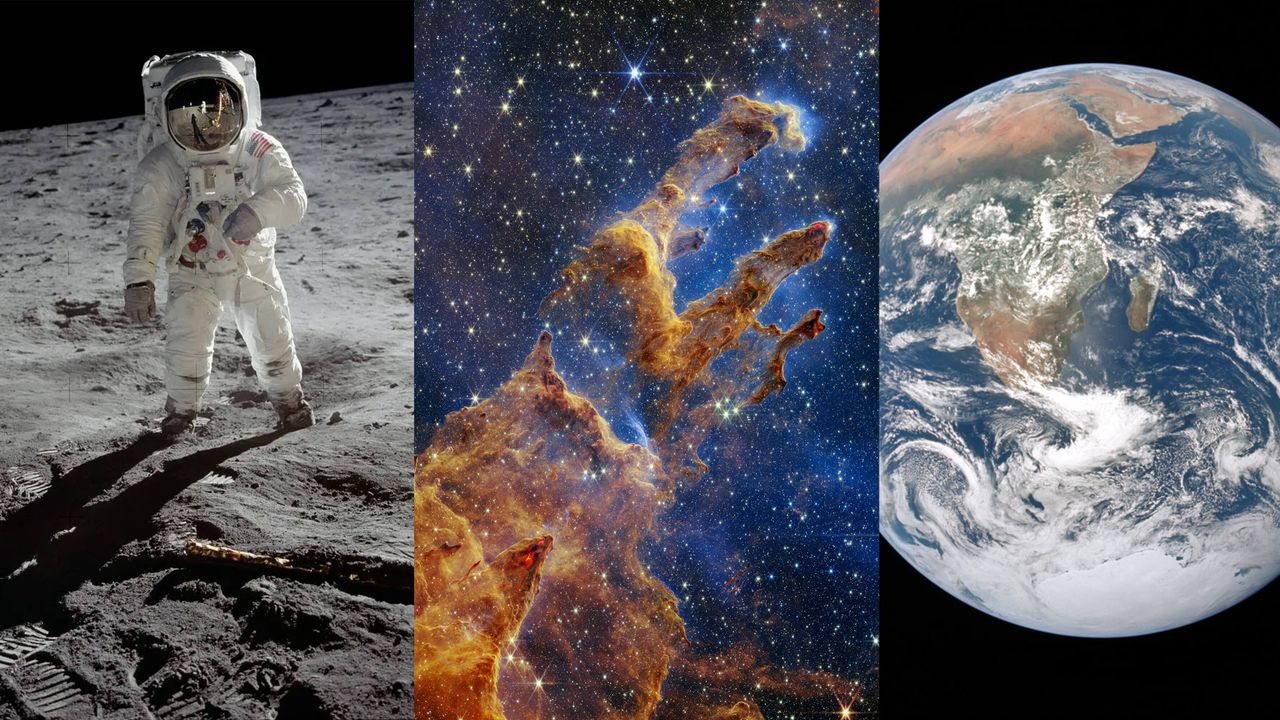
In 1969, Neil Armstrong captured a historic moment as Buzz Aldrin traversed the lunar surface, using a modified 70mm Hasselblad 500EL camera. This photograph, accompanied by Armstrong's famous words, illuminated the incredible possibility of venturing beyond Earth and ignited a sense of wonder and ambition. However, the vast darkness of space behind Aldrin underscored the inherent dangers and challenges that any future expeditions would face.
By 1972, NASA's sixth crewed mission, Apollo 17, ventured to the Moon. During the journey, astronaut Eugene Cernan captured what became known as the "Blue Marble" image. Shot from approximately 18,300 miles above Earth, this breathtaking photograph showcased our planet's continents, oceans, and polar ice caps in unprecedented detail.
Some argue that Cernan himself operated the camera, documenting weather patterns from space, but regardless of the specifics, the image served as a catalyst for holistic climate models by illustrating the interconnectedness of Earth's systems.
In 1990, the Voyager 1 spacecraft, traveling at an astonishing 37,800 miles per hour, captured a poignant image of Earth from a staggering 3.7 billion miles away. Requested by physicist Carl Sagan, this "Pillars of Creation" image, taken with the Hubble Space Telescope in 1995, showcased three giant columns of cool hydrogen gas and dust in a star-forming region approximately 6,500 to 7,000 light-years away.
Though Hubble had already developed a profound understanding of these celestial processes, the image's vivid colors and clarity revealed the intricate dance of stellar nurseries, shedding light on how new stars emerge from cosmic dust.
Finally, in 2012, Hubble's Hubble Extreme Deep Field (XDF) image set a new benchmark in deep-sky observation, capturing over 5,500 galaxies and unveiling ancient light that took over 13 billion years to reach Earth. This unprecedented view of the cosmos deepened our understanding of the universe's vastness and complexity, leaving us in awe of the intricate and interconnected tapestry of existence.
Written by urgent.news from Digital Camera World's reporting — not their text. Machine-written — may contain errors; check the original before relying on it.