Gray-Zone Warfare Picks Easy Targets in Germany
Political appeasement won’t buy off hostile powers.
Germany has been the focus of a series of mysterious activities in recent months that analysts often categorize as "gray-zone" or "hybrid" warfare. These acts typically involve a combination of conventional capabilities, irregular tactics, terrorist acts, and criminal disorder, but do not include traditional military engagement. The most likely perpetrator behind these recent incidents is Russia, which has a history of employing these tactics against European states.
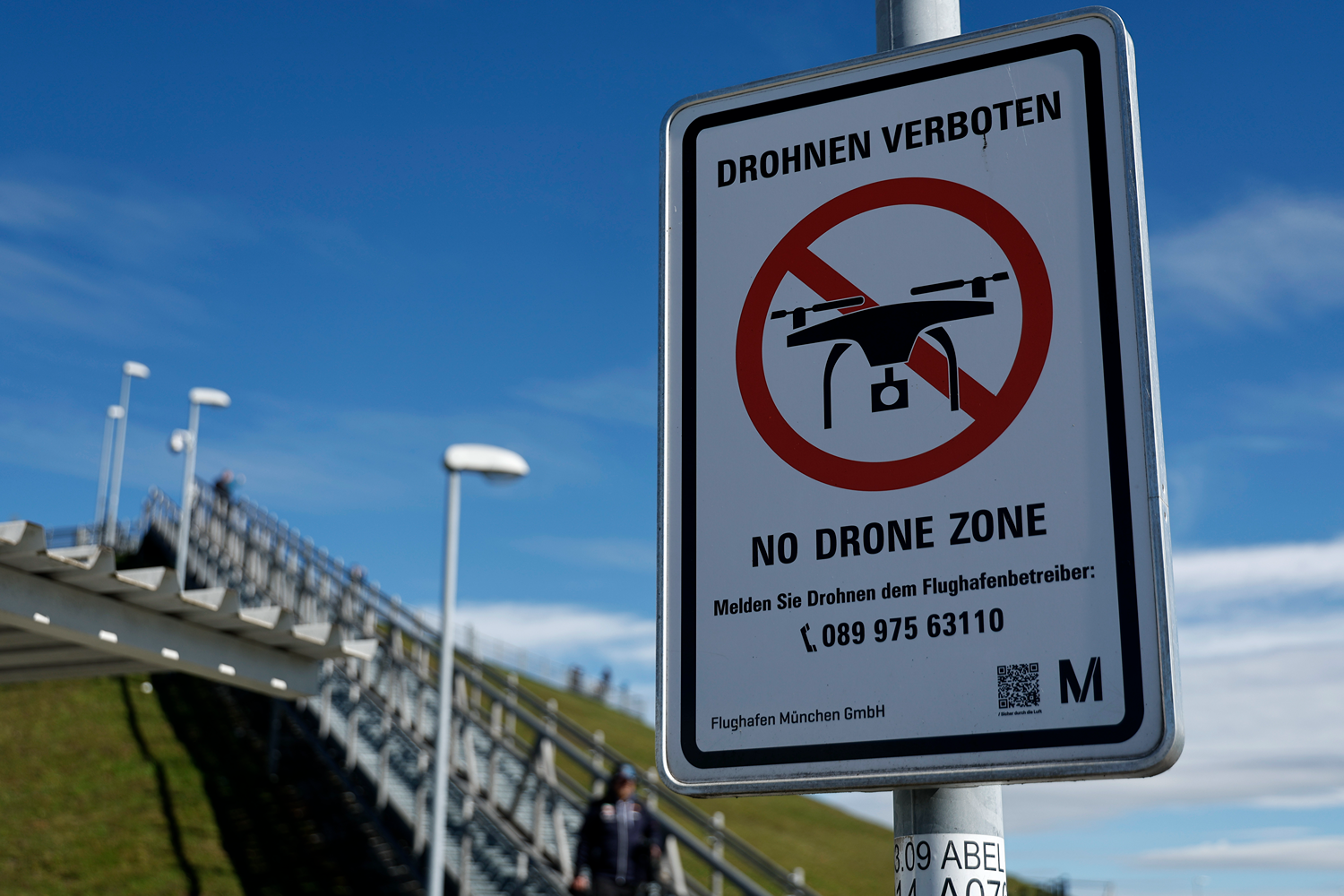
One such incident occurred at Leipzig/Halle Airport in eastern Germany, where a sophisticated drone was discovered near aircraft belonging to Ukraine's Antonov Airlines. The drone, equipped with anti-detection technology, made an ill-fated landing and inadvertently dropped 600 grams of semtex, a powerful explosive, on the ground. The source of the drone remains unidentified, but the investigation is expected to point towards Russia.
In Saxony-Anhalt and Mecklenburg-Vorpommern, preparation for parliamentary elections is underway. The far-right Alternative for Germany (AfD) party is leading in polls in both states, with support around 40 percent in Saxony-Anhalt and 36 percent in Mecklenburg-Vorpommern. The AfD has a history of being more sympathetic to Russia than other German political parties.
A campaign fueled by Russian sources has been active online, spreading false information aimed at discrediting other parties' candidates. This campaign appears to be highly sophisticated, featuring posts that seem to originate from legitimate sources, including mainstream news organizations. Additionally, personal targeting has been employed, including a Ukrainian man and a Romanian woman who were reportedly tracked and arrested by German authorities. They are accused of acting on behalf of a foreign intelligence agency.
While Russia is not the sole perpetrator of such actions, its track record of employing these techniques against European nations is well-documented. The recent spate of gray-zone acts targeting Germany is particularly noteworthy, given the country's reputation for promoting cooperation and understanding. Despite Germany's history of peaceful negotiations and multilateral diplomacy, it has remained a vulnerable target due to its position as a low-hanging fruit for gray-zone aggressors.
Written by urgent.news from Foreign Policy's reporting — not their text. Machine-written — may contain errors; check the original before relying on it.