Farmers say backpacker visa pause will risk Australia's food security
Rural communities and farmers are concerned they will lose an essential workforce as the brakes are put on working holiday visa applications.
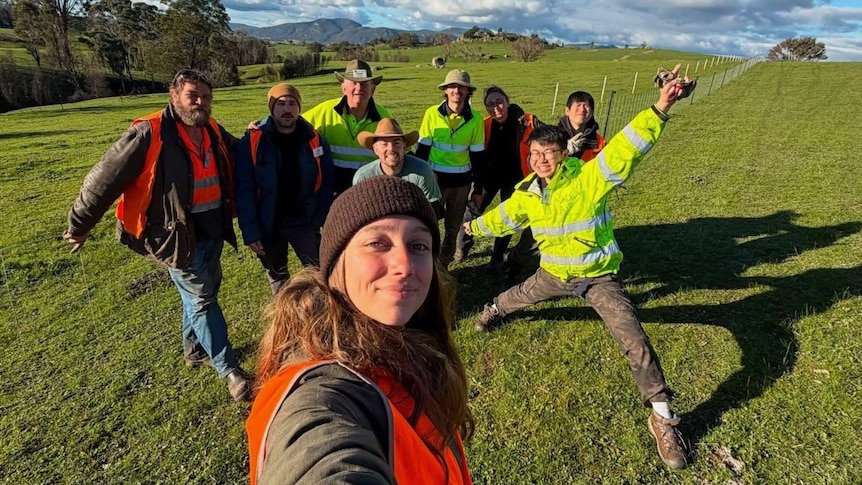
Rural communities in Australia are worried that a slowdown in processing working holiday visas could jeopardize their food security and leave them with a critical workforce shortage. Home Affairs Minister Tony Burke announced that the visas are being processed more slowly as the government debates the future of Australia's migration policy. Farmers and volunteer groups have urged Burke to consider the vital role backpackers play in rural industries.
The Working Holiday Maker (WHM) program, established in 1975, is seen as mutually beneficial for farmers, rural communities, and overseas backpackers. According to the National Farmers Federation (NFF), backpackers make up about half of Australia's peak-harvest casual workforce and any cuts to their numbers are alarming.
Burke confirmed on Sunday that WHM visas are being processed more slowly than before, with applications from 24 countries currently on hold. The government website shows that the WHM visa processing has been paused. The slowdown in visa approvals comes amid intense debate over Australia's migration policy.
Opposition Leader Angus Taylor has not guaranteed backpackers will be exempt from the Coalition's planned migration cuts. However, Nationals leader Matt Canavan previously promised his party would not allow any changes, arguing that working holiday-makers are crucial for rural communities. Australian charity BlazeAid, which organizes volunteers to help clean up and rebuild farms and other areas affected by natural disasters, estimates that backpackers make up a large proportion of their helpers.
BlazeAid CEO Melissa Jones expressed concern that a slowdown in processing WHM visas could harm Australian society, particularly rural areas. "I just worry that if this slowdown occurs, then our Australian society and particularly rural people will suffer," she said. Jones added that backpackers contribute to local economies by spending money in shops, staying in local communities, and creating connections with people in towns.
Terry Buckley, a South Australian potato grower, also emphasized the importance of backpackers to his business. He said that without them, he would have to purchase more machinery, which could be costly. When asked about the government's decision to slow down WHM visa approvals, Burke argued that the Pacific Australia Labour Mobility (PALM) scheme serves a similar purpose for the agriculture industry.
However, Shannon, a spokesperson for the Farmers Federation, clarified that backpackers and PALM workers fill different roles and purposes on farms.
Manbulloo, a large mango grower in the Northern Territory, uses both PALM workers and backpackers. Managing Director Marie Piccone said that the PALM scheme is more expensive and time-consuming than employing Australians or backpackers. "We need to have our workforce to get our mango crop off because that's the one time of the year where we get our income," she said.
Farming groups, including the Farmers Federation, have written to Home Affairs Minister Burke urging him to consider the importance of backpackers. The Farmers Federation's Richard Shannon said the group would take every step possible to ensure the government considers the risk to food security. The slowdown in WHM visa approvals could lead to an increase in the cost of fresh produce in Australian supermarkets, according to the Farmers Federation's Richard Shannon.
Written by urgent.news from ABC News AU's reporting — not their text. Machine-written — may contain errors; check the original before relying on it.