Egypt’s deserts show why ecological knowledge matters in conservation (commentary)
Egypt’s deserts are often introduced to the world as empty: Wide horizons, silence, heat, sand and stone. In tourism brochures they become dramatic scenery. In archaeological writing they can appear as corridors around monuments. In some conservation documents they are fragile spaces that need technical management from outside. But these descriptions miss something essential. Deserts […]
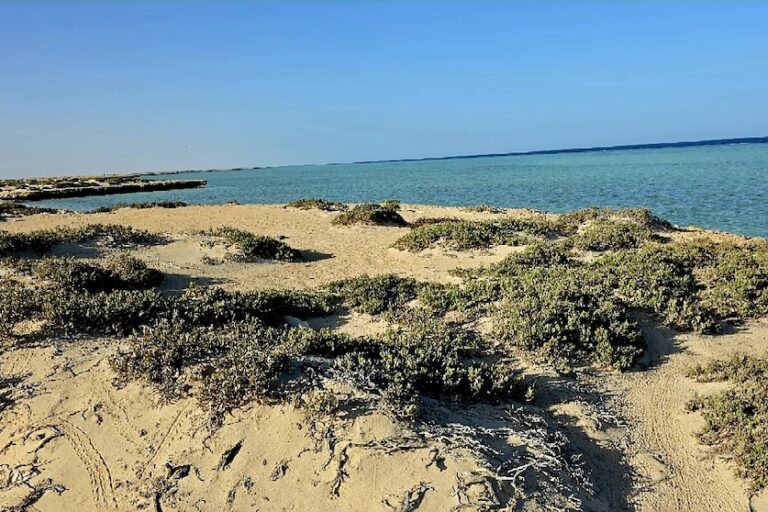
Egypt's deserts are often portrayed in media as vast, silent expanses of sand and stone, devoid of life and meaning. However, this narrow perspective fails to capture the true essence of these landscapes. To local communities, deserts are far from empty; they are vibrant ecosystems, repositories of knowledge, and integral components of ecological archives.
For residents of these arid regions, the desert is not merely a backdrop but a dynamic environment that provides crucial insights into how both humans and wildlife have adapted to scarcity over time. A single valley, spring, or coastal plain can hold invaluable information about the ways people and non-human species have thrived in such challenging conditions.
This traditional ecological knowledge is not an ancillary detail to be added superficially to conservation efforts; instead, it serves as a vital resource for researchers and managers seeking to understand the intricate relationships between landscapes, peoples, and wildlife in arid environments. In Egypt, which boasts an abundance of ancient monuments, the importance of this perspective becomes even more pronounced.
Beyond the iconic pyramids and temples, Egypt's protected areas and biosphere reserves harbor a wealth of natural heritage that extends far beyond the realm of human history. Fossil valleys, desert flora, coastal ecosystems interwoven with marine life, migration paths, geological wonders, and age-old knowledge passed down through generations all contribute to the rich tapestry of Egypt's natural legacy.
When these diverse elements are viewed solely as scenic backdrops or isolated scientific specimens detached from local communities, conservation initiatives risk losing critical elements of evidence and public relevance. At Wadi Al-Hitan in Fayoum, for instance, visitors commonly come to marvel at the fossilized remains of prehistoric whales.
Yet, the broader narrative that unfolds across the surrounding desert landscape is equally compelling—telling tales of ancient seas, shifting climates, ongoing erosion processes, and the enduring imprint of humanity's interaction with these harsh environments.
In essence, Egypt's deserts embody more than just barren expanses; they are living, breathing landscapes rich in ecological significance and socio-cultural heritage. Recognizing and integrating the invaluable local ecological knowledge inherent within these arid spaces is not merely an academic exercise; it is an essential step towards fostering truly effective conservation strategies that honor the interconnected web of life and human experience in this remarkable region.
Written by urgent.news from Mongabay's reporting — not their text. Machine-written — may contain errors; check the original before relying on it.