What It Means to Build a Truly Sustainable Ocean Economy
Who gets to shape and benefit from the emerging blue economy?
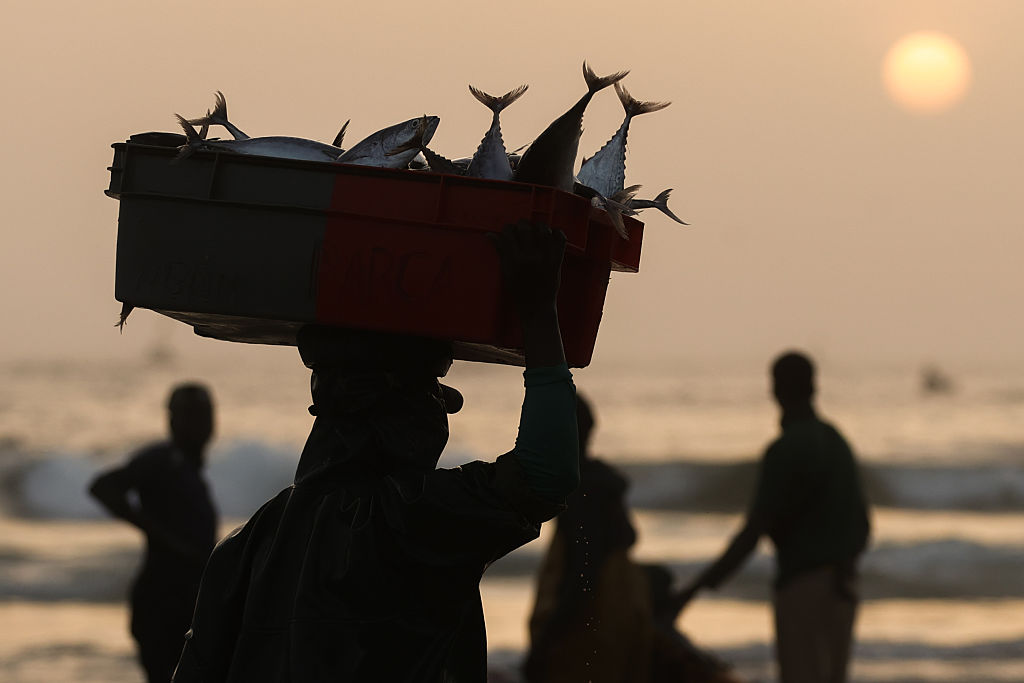
The economic and ecological significance of oceans is underscored as part of World Oceans Day on June 7, 2026, in Dakar, Senegal. Approximately 2.4 billion individuals reside within 100 km of a coastline, comprising about one billion within a mere 10 km radius. This narrow coastal band, constituting roughly 5% of the inhabited world, contributes an estimated 30-50% to global GDP. It encompasses numerous burgeoning cities, ports, energy systems, tourism economies, fisheries, and water infrastructure.
These elements collectively lay the groundwork for a burgeoning "blue economy," an economic model centered on ocean resources. However, this burgeoning sector is simultaneously degrading the ecosystems that sustain its activities. Fish stocks are dwindling, coral reefs are teetering on the brink of catastrophe, and vital coastal defenses like mangroves, seagrasses, and wetlands are vanishing at an alarming rate.
To avert this impending collapse, a more sustainable and equitable economic model for the ocean is urgently required. This necessitates a shift away from extractive practices and towards a regenerative, nature-positive paradigm. Under this new model, economic activities must yield more benefits than they consume, actively contributing to the restoration of natural and social capital.
This transition requires a fundamental reimagining of growth. Industries such as shipping, ports, and fisheries must undergo managed transitions to minimize pollution, decarbonize operations, replenish fish stocks, and redirect harmful subsidies. Emerging sectors like offshore renewables, aquaculture, and coastal tourism must embed considerations of ecosystem health and community benefit within their business strategies.
The benefits of this shift are manifold. Research indicates that a nature-positive economy could generate more than three times the number of jobs compared to business-as-usual, with investments in ecosystem restoration yielding nearly four times as many jobs as investments in oil and gas. As populations swell and AI reshapes the job market, deliberate planning around the types of economic activities to foster becomes critical.
Regenerative businesses hold the promise of creating jobs, restoring vital natural systems, and hastening the climate transition.
However, the realization of this regenerative blue economy hinges on cohesive governance. Oceans operate as interconnected systems, yet governance currently operates in silos, fragmented by ministries, sectors, permits, and political boundaries. A holistic approach is needed, managing whole seascapes that span coastlines, watersheds, nearshore ecosystems, and the people and industries that inhabit them.
Marine spatial planning offers a pathway to address these challenges by identifying trade-offs, accounting for cumulative impacts, and delineating areas for development, restoration, and no-go zones. Critical to this paradigm shift is the active involvement of Indigenous Peoples and local communities, who often possess invaluable stewardship knowledge of coastal ecosystems. Their inclusion in decision-making processes and capital allocation is paramount.
Indonesia's Bird’s Head Seascape exemplifies the potential of a more equitable model. By integrating traditional community rights into conservation planning, connecting local and government authorities, and integrating tourism revenues into conservation efforts, this initiative has resulted in a network of marine protected areas covering over 52,000 sq. km and community-led tourism diversifying income streams while training former fishers as coral gardeners.
Ecological recovery, livelihoods, and local governance have become intertwined, demonstrating the power of a unified, systemic approach.
To scale such successful models, comprehensive financial and entrepreneurial infrastructure is essential. Public and philanthropic capital can mitigate early risks, while blue bonds, blended finance, and debt-for-nature swaps can attract larger investment pools. Dedicated financing windows, patient capital, technical assistance, and venture-building support can empower coastal entrepreneurs and cooperatives to develop viable, regenerative businesses.
Technology and AI can play a pivotal role in lowering monitoring, verification, and coordination costs, provided they bolster good governance rather than replace it. Ultimately, the success of the blue economy will be measured not merely by the wealth extracted from the ocean but by the health of fish stocks, the protection of coastlines, the creation of jobs, the strengthening of communities, and the restoration of natural systems.
Our societies' prosperity is increasingly inextricably linked to the health of our oceans, and the future depends on our ability to give back more than we take.
Written by urgent.news from Time's reporting — not their text. Machine-written — may contain errors; check the original before relying on it.