Black walls, solar heating and student-led learning: Inside Sonam Wangchuk’s school in Ladakh
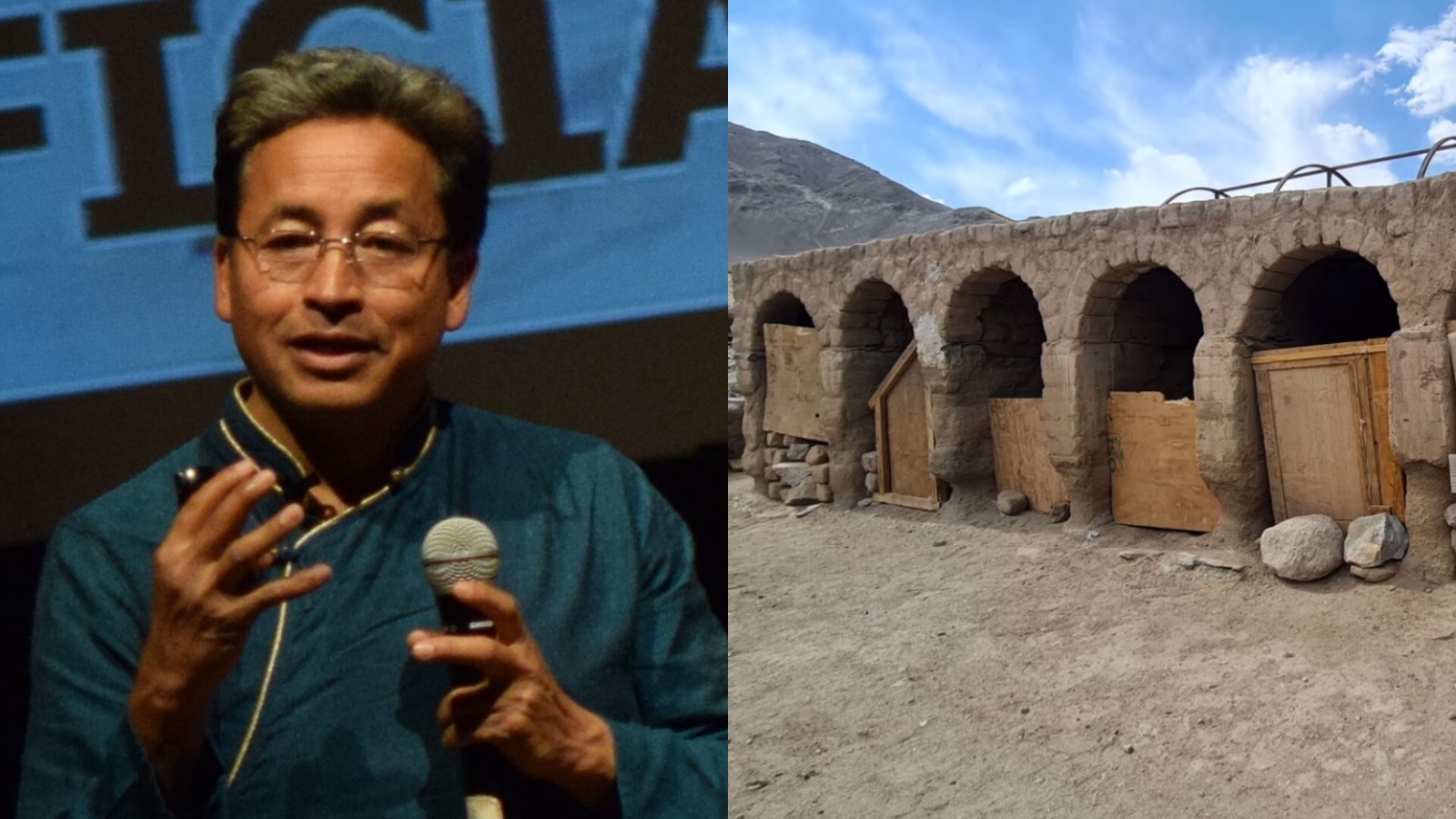
In Ladakh, Sonam Wangchuk's Students’ Educational and Cultural Movement of Ladakh (SECMOL) offers a unique approach to education. Established in 1988, SECMOL's solar-powered and solar-heated campus stands out from traditional educational institutions. Students engage with ancient Ladakhi songs, dance, and history alongside modern academic subjects, while also managing the campus themselves.
One striking feature of the SECMOL campus is its use of black walls, which absorb heat from the sun, helping to keep the buildings warm during the harsh winter months. The campus also includes an art room, where students can explore their creativity through painting, crafting, and other activities. This approach integrates art with everyday learning, rather than treating it as an extracurricular activity.
Community is a central aspect of life at SECMOL. The campus features a common room for meetings and discussions, encouraging students to participate in activities and conversations beyond academics. The library, managed by students, is another prominent feature, with students contributing to the growing vocabulary through a 'word wall'.
The campus also demonstrates practical applications of knowledge. Storage spaces for grains and vegetables showcase self-sufficiency, while a waste material management system, such as an irrigation system made from discarded plastic bottles, highlights the importance of repurposing resources. Students engage in garden activities, growing organic vegetables and caring for plants, while also participating in traditional activities like horse riding and pebble painting.
According to Dr Rimpa Sarkar, a mental health expert, experiential learning environments like SECMOL differ psychologically from conventional classroom-based education. Children develop autonomy, confidence, accountability, and problem-solving skills by taking responsibility for everyday tasks. Such learning experiences strengthen a child's sense of competence and foster curiosity and critical thinking.
Creativity requires psychological safety, and when encouraged, children learn to tolerate ambiguity, consider different perspectives, and develop their own reasoning.
Written by urgent.news from The Indian Express's reporting — not their text. Machine-written — may contain errors; check the original before relying on it.