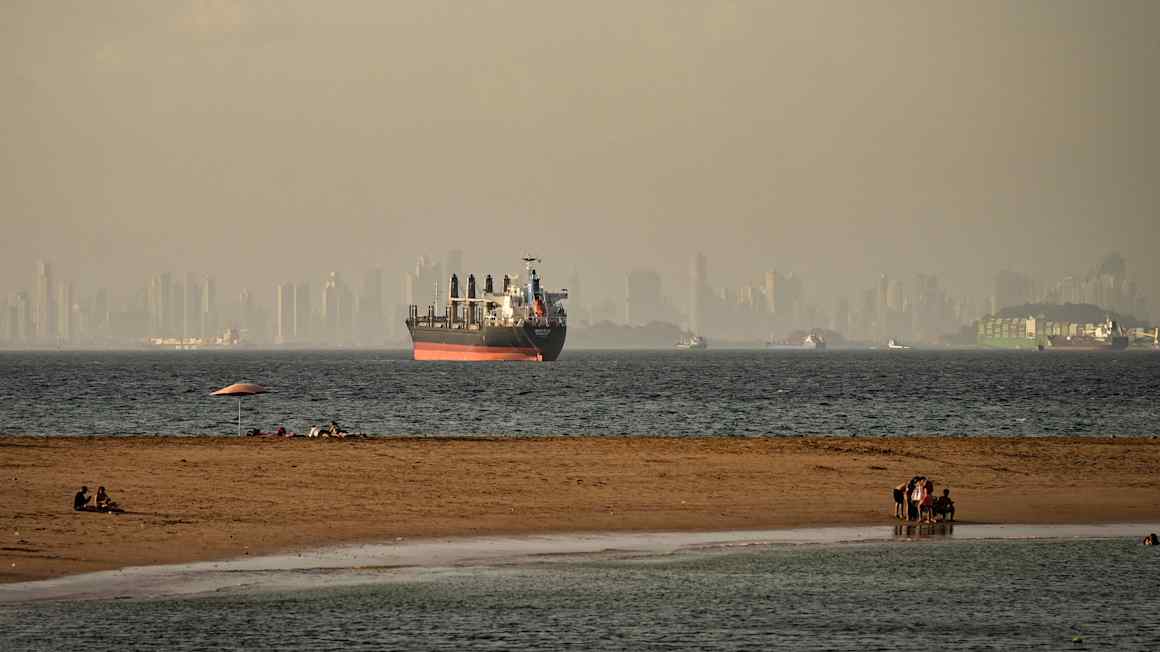
Covert Mideast Oil Flows Are Keeping Global Prices in Check
The trade of ferrying oil through the Strait of Hormuz undetected to transfer the barrels onto tankers in the Gulf of Oman is running at full tilt, sources say.
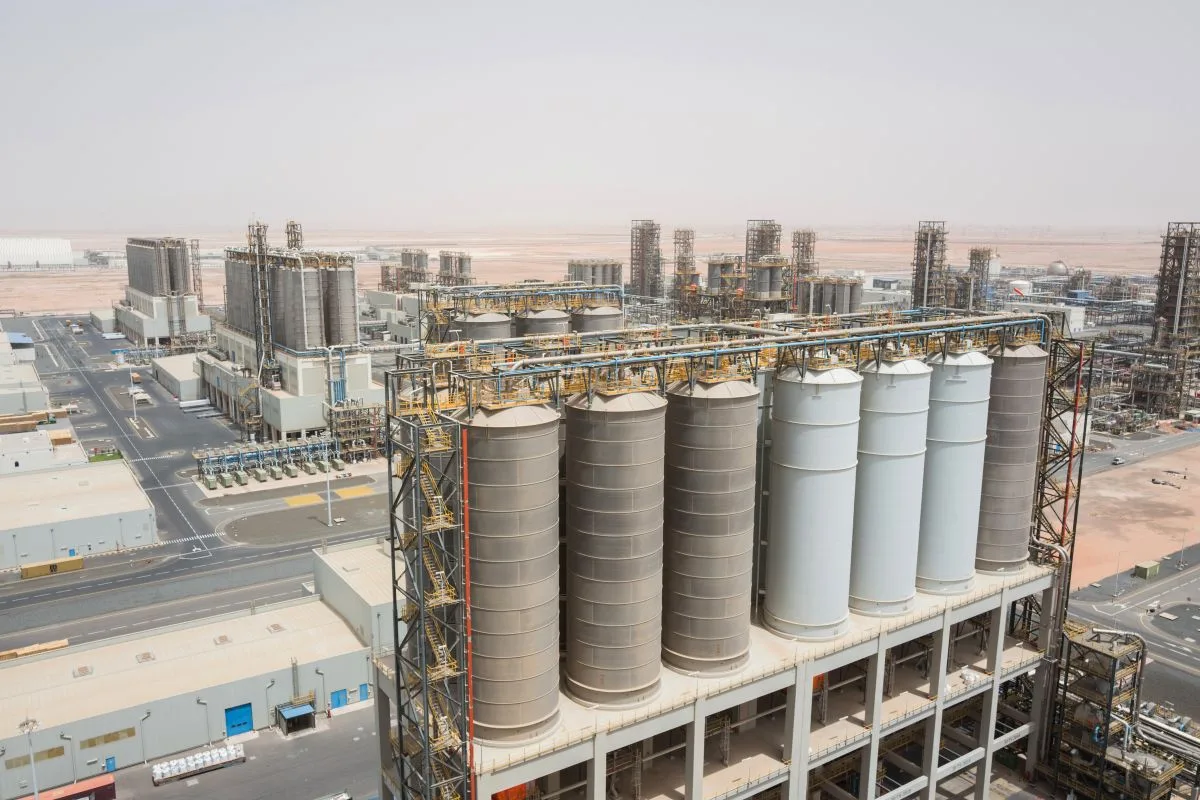
Middle Eastern oil producers are continuing to export substantial quantities of crude oil through the Strait of Hormuz, a critical oil chokepoint, even as tensions persist due to the ongoing Iran conflict. This covert shipping of oil is helping to stabilize global oil prices and reduce concerns about an energy-induced inflation surge, despite the ongoing hostilities in the region.
Shipments are currently running at a rate exceeding initial estimates of 4 million barrels per day, with some sources suggesting the actual volumes may be higher. The actual numbers are not specified, but they are believed to be close to half of the pre-war levels, which saw approximately 20 million barrels of oil crossing the strait each day.
The covert transits through Hormuz have become a vital lifeline for global markets, which were initially bracing for a potential supply shortage following the initiation of the Iran war. Despite the numerous attacks on vessels attempting to cross the strait, the shipments have remained resilient. The United Arab Emirates' state oil company, Abu Dhabi National Oil Co., has affirmed their commitment to maintaining this vital energy flow, despite the unprovoked attacks on their ships and facilities.
Other Gulf producers, such as Iraq, Qatar, and Kuwait, have also been utilizing the strait to move their oil.
Tracking the exact volume of oil being shipped through Hormuz has been challenging due to the ships' efforts to maintain secrecy, often disabling their transponders to avoid detection. Nevertheless, the volumes are significantly higher than the market estimates, which has led to a stabilization of oil prices. Brent oil futures have been fluctuating between $80 and $90 per barrel, a far cry from the predicted extreme levels of $150 per barrel at the start of the conflict.
While the covert shipping has helped mitigate the economic impact of the Iran conflict, it has not been without its risks. The strait has witnessed numerous attacks on merchant ships, resulting in the loss of life and injuries to crew members. Additionally, there have been instances of spills, highlighting the inherent dangers of maintaining the flow of oil during times of conflict.
Despite these challenges, the UAE's state oil giant and other Gulf producers remain committed to their responsibilities, acknowledging the direct consequences they bear from the unprovoked attacks on their personnel, vessels, and facilities.
Written by urgent.news from Fortune's reporting — not their text. Machine-written — may contain errors; check the original before relying on it.
This story
This is one outlet's version. Read the fullest account.
- Covert Mideast oil flows are keeping global prices in check japantimes.co.jp
- Covert mideast oil flows are keeping global prices in check fortune.com
- Covert Mideast Oil Flows Are Keeping Global Prices in Check finance.yahoo.com