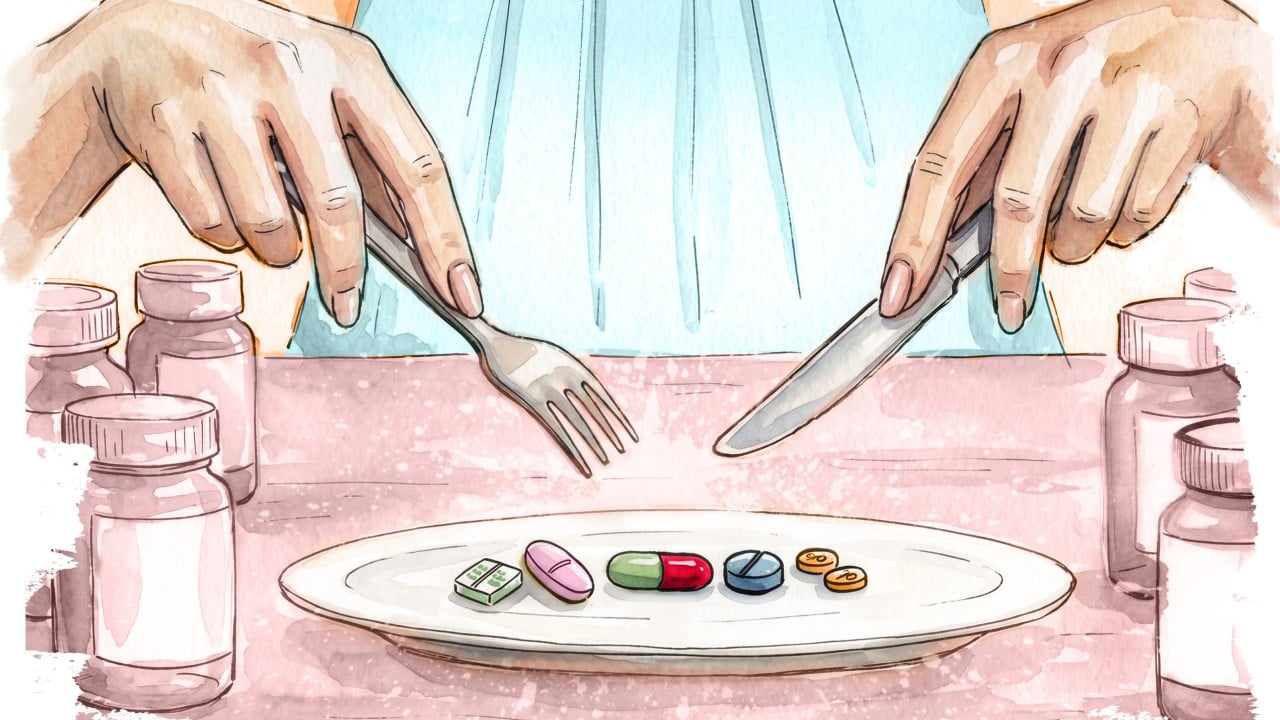
'There's a sense that these algorithms are objective and they get to know you': How social media warps our understanding of healthcare
Editor Hannah Osborne spoke with investigative journalist Dr. Deborah Cohen about her new book, "Bad Influence: How the Internet Hijacked Our Health."
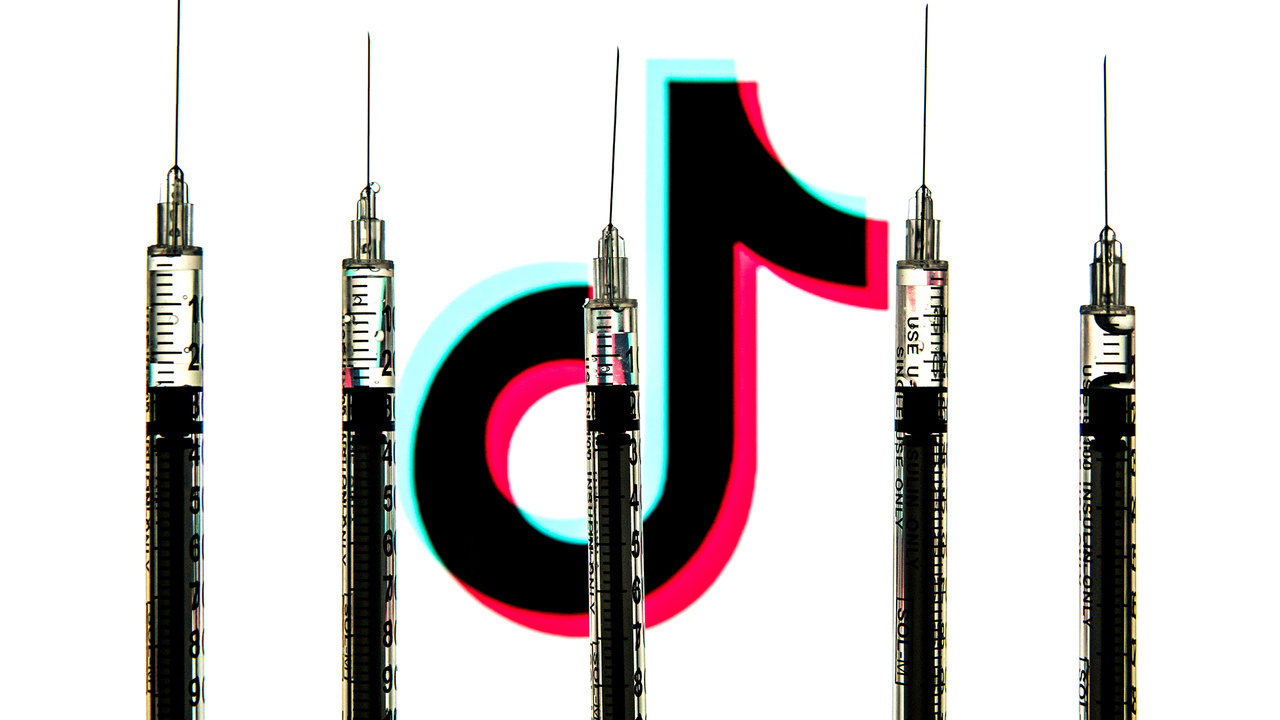
Social media has fundamentally altered how individuals interact with healthcare, offering a platform to share experiences, discover support networks, and learn about symptoms and conditions. However, it has also attracted malicious entities seeking to promote products, disseminate misinformation, and exploit people's anxieties. Furthermore, algorithms curate content tailored to users' preferences, prioritizing engaging posts with minimal regulation.
In her book "Bad Influence: How the Internet Hijacked Our Health" (Oneworld Publications, 2026), Dr. Deborah Cohen, a broadcaster, journalist, and editor with a medical background, investigates the profound impact of social media and influencers on people's perceptions of healthcare. From weight-loss drugs and hormone therapies to the pursuit of immortality by billionaires, Cohen's work delves into the transformative effects of online platforms on health-related discussions.
Cohen addressed Live Science regarding her book, the evolving landscape of healthcare conversations on the internet, and the growing importance of health literacy. She highlighted how social media blurs the line between reducing stigma and trivializing conditions. She emphasized that our ideas, concerns, and expectations regarding healthcare are significantly influenced by the information environment, particularly in the era of large language models.
Cohen expressed concerns about the unrealistic expectations people have about what healthcare can deliver, as well as the challenges of balancing competing risks, benefits, and harms when relying on social media for medical information. She questioned the role of doctors in this new paradigm, where technology increasingly competes with traditional medical services.
Cohen advocated for a more engaging and relatable approach to delivering healthcare information, suggesting that platforms like TikTok and Instagram may need to be supplemented with more compelling content to effectively engage users.
Written by urgent.news from Live Science's reporting — not their text. Machine-written — may contain errors; check the original before relying on it.