Psychedelic drug calms hyperactive brain cells linked to chronic pain
A single dose of psilocybin rapidly relieved both chronic pain and depression-like symptoms in mice. Researchers discovered the psychedelic compound works by calming hyperactive neurons in a specific brain region associated with both conditions.
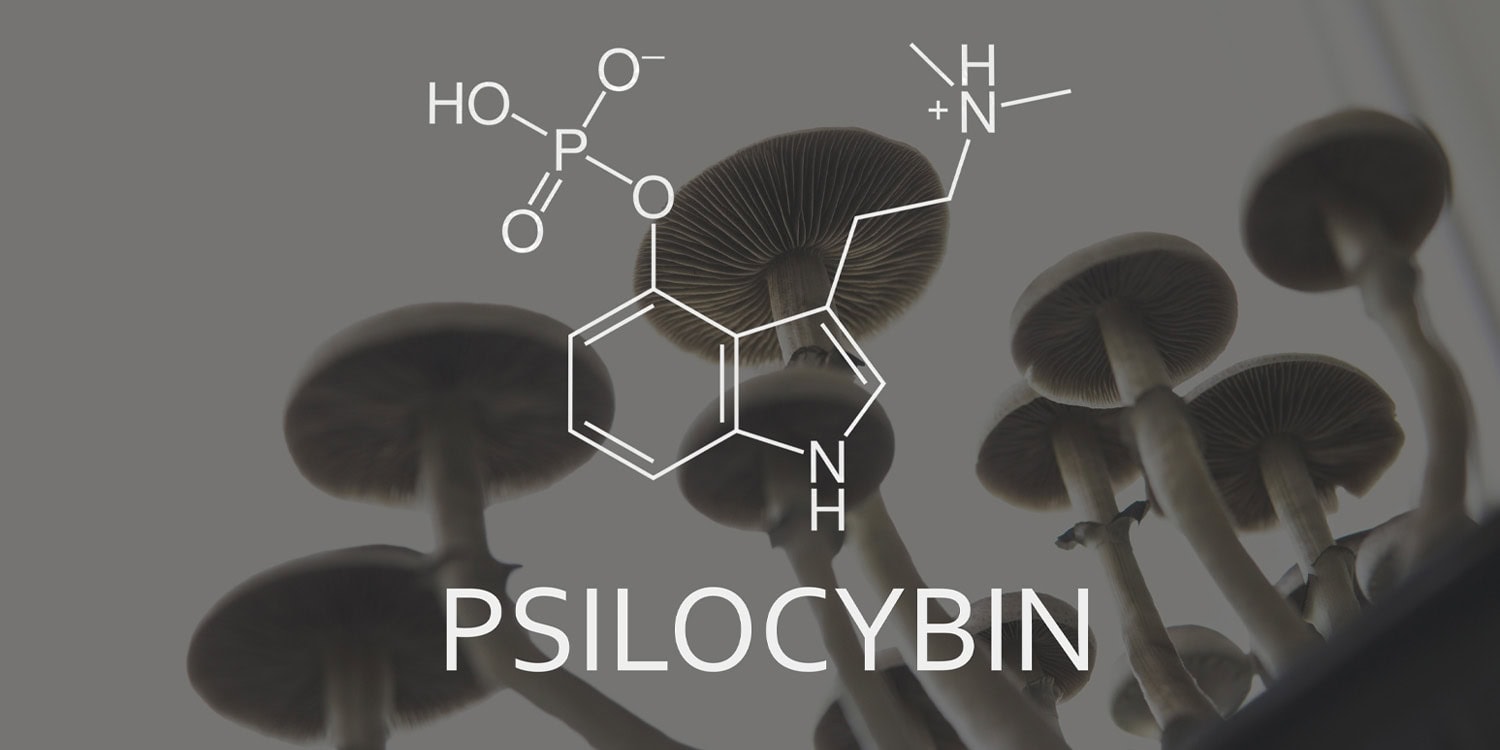
A recent study published in Nature Neuroscience reveals that a single dose of the psychedelic compound psilocybin can rapidly alleviate chronic pain and the associated anxiety and depression. Psilocybin, the primary psychoactive ingredient in magic mushrooms, achieves this dual effect by calming hyperactive brain circuits linked to these conditions.
Chronic pain often co-occurs with mood disorders like anxiety and depression, which can exacerbate each other, making treatment challenging. Standard medical treatments typically address these issues separately, with limited success. Brain scans of individuals with chronic pain and depression often show abnormal activity in the anterior cingulate cortex, a brain region involved in processing emotions and the unpleasantness of pain.
Psilocybin, which converts into psilocin in the body, binds to serotonin receptors in the brain, the same targets as many antidepressant medications. Recent trials have shown psilocybin's potential for long-lasting relief from severe depression and its possible efficacy in treating chronic nerve pain. To investigate whether a single treatment could target the shared brain circuits of both conditions, researchers at the University of Pennsylvania administered psilocybin to laboratory mice with induced chronic pain.
After a single systemic injection, the mice experienced a complete reversal of pain sensitivity and a return to normal mood-related behaviors within twelve days. The effect was verified through a behavioral test where mice with chronic pain preferred a room where they received psilocybin over a plain saline solution. Direct injections of psilocin into the lower spinal cords or directly into the anterior cingulate cortex of the brain also reversed physical pain sensitivity and signs of depressed mood, suggesting that psilocybin works by altering higher brain centers rather than blocking pain signals at the spinal level.
The study used two-photon calcium imaging to observe individual brain cells, finding that mice with chronic pain had abnormally high levels of spontaneous cellular activity in the anterior cingulate cortex. Psilocybin suppressed this hyperactivity, normalizing brain activity in these mice. The drug requires access to both the 5-HT2A and 5-HT1A serotonin receptors to be effective, as blocking either receptor completely stopped the healing effect.
While these findings provide valuable insights into the brain mechanisms behind psilocybin's therapeutic effects, further research is needed to determine if the same dosage would be safe and effective in humans.
Written by urgent.news from PsyPost's reporting — not their text. Machine-written — may contain errors; check the original before relying on it.