Tuning the body: why Hongkongers turn to supplements to keep their ‘engine’ running
In the first instalment of a five-part Health Matters wellness series on Hong Kong’s growing wellness trends, Lo Hoi-ying examines why younger residents are turning to supplements to boost energy, immunity and performance, as experts warn that excessive use should not replace a balanced diet. Tata Tse Yi-kwan spends around HK$2,000 (US$255) a month on supplements tailored to her different needs,…
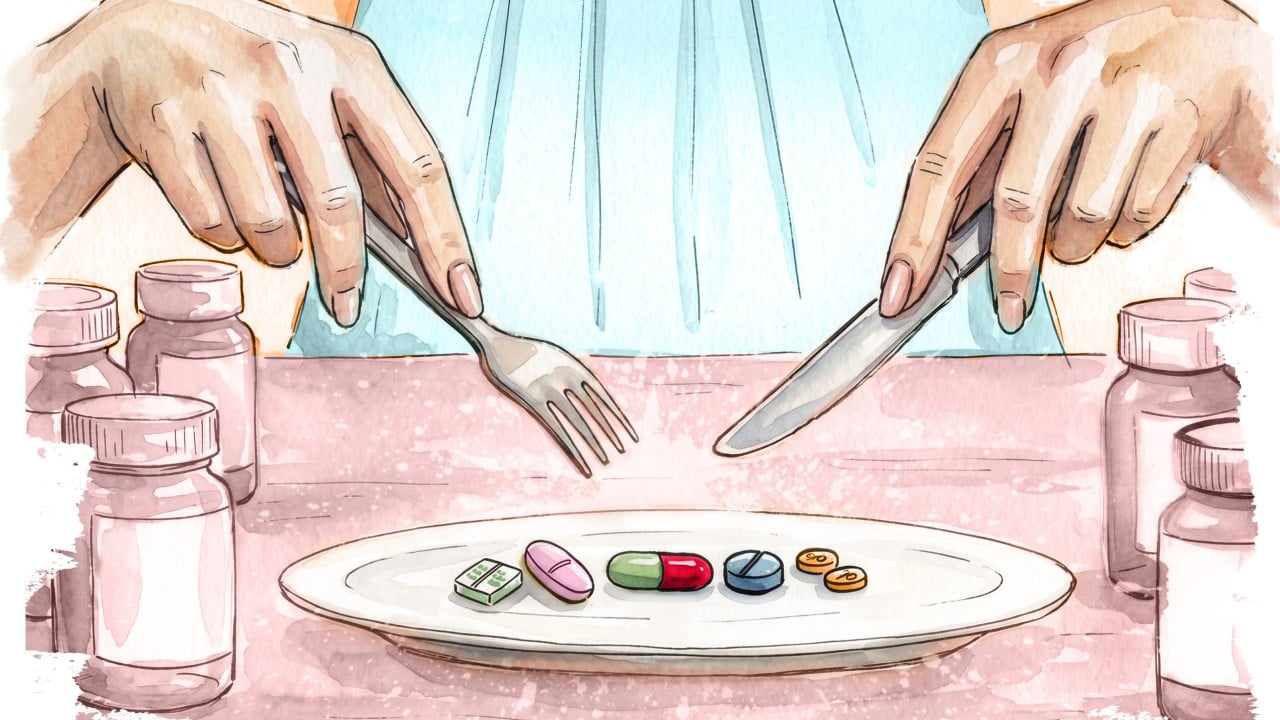
Hongkongers are increasingly turning to supplements to maintain their vitality and well-being, according to a growing wellness trend. Younger residents, particularly millennials and Gen Z, are turning to supplements to boost energy, immunity, and performance, warns Dr. Diana Chow, a public relations professional in her thirties.
Chow spends a significant amount of her monthly budget on supplements tailored to her specific needs, including immunity, energy, digestion, performance, and recovery. Her regimen includes products like MCT oil, collagen, multivitamins, creatine, and enzymes, which she combines with other wellness habits such as meditation and journaling.
The Hong Kong Health Food Association reports that nearly 63% of Hongkongers have taken health supplements in the past six months, spending over HK$780 a month on these products. The trend is driven by rising health consciousness, an aging population, and the rebound in tourism. Frost & Sullivan projects that Hong Kong's wellness industry will reach HK$12.7 billion in retail sales by 2028.
Experts, however, caution that supplementation should not replace a balanced diet. Dr. Cyrus Luk Siu-lun, a dietitian and committee member of the Hong Kong Dietitians Association, notes that many people eat out frequently and may not have the time, resources, or nutrition knowledge to plan and prepare balanced meals, leading them to rely on supplements as a quick and easy solution.
He emphasizes that while supplements can help address perceived nutrient deficiencies, they should not be seen as a substitute for healthy dietary and lifestyle changes.
Written by urgent.news from South China Morning Post - Hong Kong's reporting — not their text. Machine-written — may contain errors; check the original before relying on it.