World Rushes Aid to Colombia as Quake Toll Hits 281 and Plan Milagro Begins
Colombia · Disaster Relief Key Facts Deadly quake: A magnitude 7.4 earthquake struck near San José del Palmar, in Chocó, on August 10, 2026. Rising toll: Officials confirm at least 281 dead, nearly 4,000 injured and 379 people still missing. Homes lost: More than 12,000 homes were destroyed and over 74,000 more were damaged. US […] The post World Rushes Aid to Colombia as Quake Toll Hits 281 and…
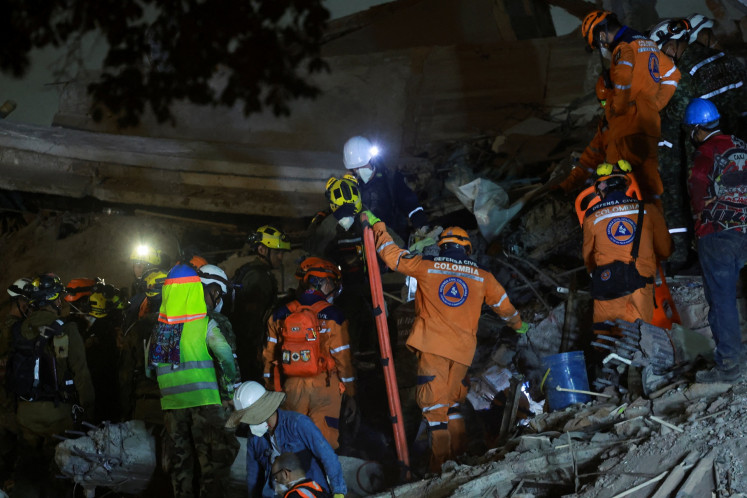
On August 10, 2026, a magnitude 7.4 earthquake struck near San José del Palmar in western Colombia, causing at least 281 deaths, nearly 4,000 injuries, and leaving 379 people missing. This was Colombia's strongest earthquake in years, occurring shortly after President Abelardo de la Espriella took office just three days prior. The damage was extensive, with over 12,000 homes destroyed and 74,000 more severely damaged. Roads, bridges, and airports were severely impacted, with 200 roads, 20 bridges, and 5 airports affected.
The world responded quickly to the disaster. The United States pledged $26.5 million in humanitarian aid, including $11 million in additional funding and a military airlift of supplies. The UAE contributed $10 million, South Korea pledged $1 million, and the World Bank released $200 million in aid. The Colombian government launched "Plan Milagro," a reconstruction effort focused on rebuilding hospitals, schools, homes, and infrastructure.
The plan includes a new Milagro Fund to gather international donations, rental subsidies for families, and a "materials bank" for construction materials. A "Todos Ponen" approach encourages both public and private contributions. The government also declared an economic emergency, allowing faster fund allocation and reduced bureaucratic hurdles.
Additionally, the Labor Ministry issued 16 measures to support workers, including remote work options, paid calamity leave, and early access to severance pay. As Colombia navigates this crisis, the effectiveness of its recovery efforts will be closely watched, potentially impacting the region's economy for years to come.
Written by urgent.news from The Rio Times's reporting — not their text. Machine-written — may contain errors; check the original before relying on it.