Metropolitan Electric Unveils Six-point Roadmap to Mass Adoption of EVs
Bennett Oghifo Nigeria must move beyond policy announcements and urgently implement a coordinated six-point roadmap to turn growing interest in electric vehicles into mass adoption, Metropolitan Electric Limited has said.
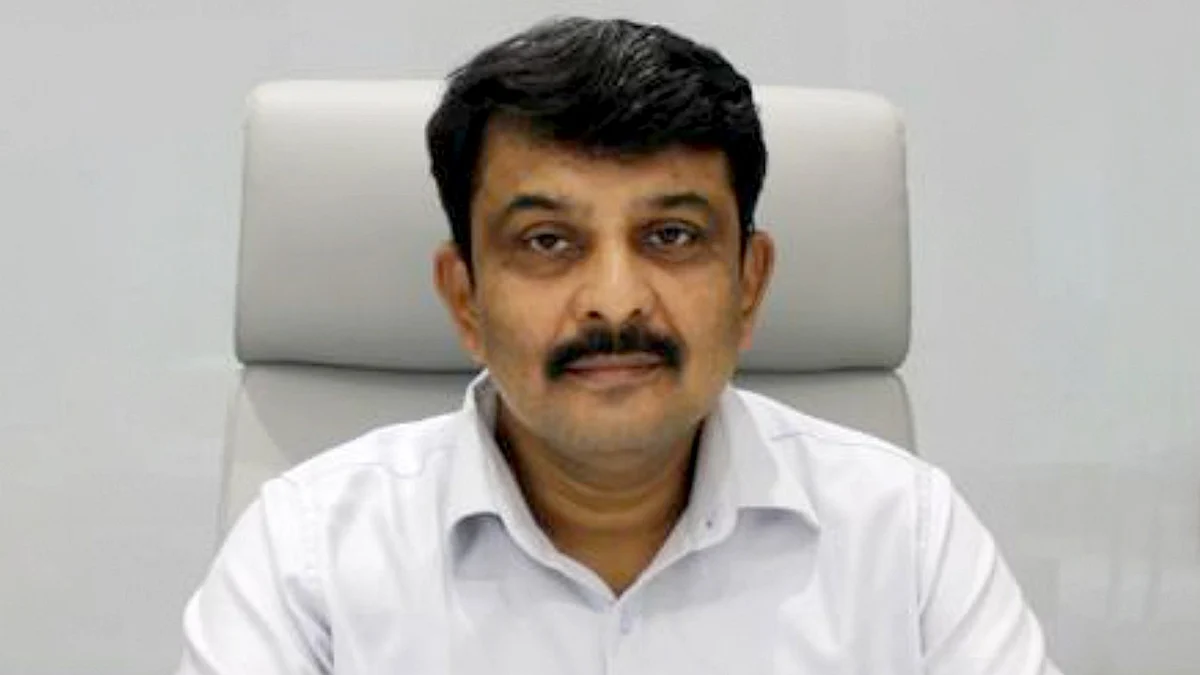
Metropolitan Electric Limited, led by CEO Olugbenga Obadina, has outlined a six-step plan to accelerate the widespread adoption of electric vehicles (EVs) in Nigeria. The presentation came during the 3rd Nigeria Auto Industry Summit, organized by the Nigeria Auto Journalists Association (NAJA) and the National Automotive Design and Development Council (NADDC) in Lagos. Obadina stressed that while policies are in place, the critical challenge now is the coordinated implementation across various government agencies.
Nigeria has already laid the groundwork for EV adoption, including the National Automotive Industry Development Plan (NAIDP) 2023–2033, which aims for 30% local EV production and 40% local content, as well as VAT zero-rating for EVs and semi-knocked-down assembly parts. Reducing EV import duty to zero and investing in charging infrastructure are other steps taken by the government. However, Obadina cautioned that these measures need to be executed effectively to create a functioning mass market.
To achieve this, Metropolitan Electric proposed a six-point "Nigeria EV Compact." First, a stable 10-year EV roadmap must be published under a single coordinating body with the authority to align activities among relevant agencies. Second, government fleets and public transportation should receive progressively higher EV procurement quotas.
Third, financing should be based on kilometers traveled, not cars, through green-mobility facilities, credit guarantees, and multi-year leasing arrangements. Fourth, charging infrastructure should be treated as regulated infrastructure with standardized permits, service levels, and transparent tariffs. Fifth, a performance-based localization approach should be pursued, tying incentives to vehicle assembly, quality, job creation, components, research, and exports.
Lastly, confidence must be built among consumers and investors through technician certification, transparent warranty disclosure, battery-health standards, and clear end-of-life rules for batteries.
Obadina advised Nigeria to focus on vehicles used heavily for daily mileage, such as buses, logistics vehicles, institutional fleets, and two- and three-wheelers. Charging infrastructure should be planned around actual depots, routes, and daily driving patterns. The company's experience in supplying, deploying, and maintaining over 200 EVs, along with over 6MW of charging infrastructure in multiple cities, demonstrates the feasibility of electric mobility in Nigeria.
Obadina urged policymakers, investors, and journalists to measure the EV transition by actual performance rather than announcements, emphasizing that Nigeria's EV future must be engineered, assembled, financed, charged, and maintained locally.
Written by urgent.news from This Day's reporting — not their text. Machine-written — may contain errors; check the original before relying on it.