Independence Day 2026 : 5 faces of India’s freedom struggle UPSC keeps returning to in mains exam
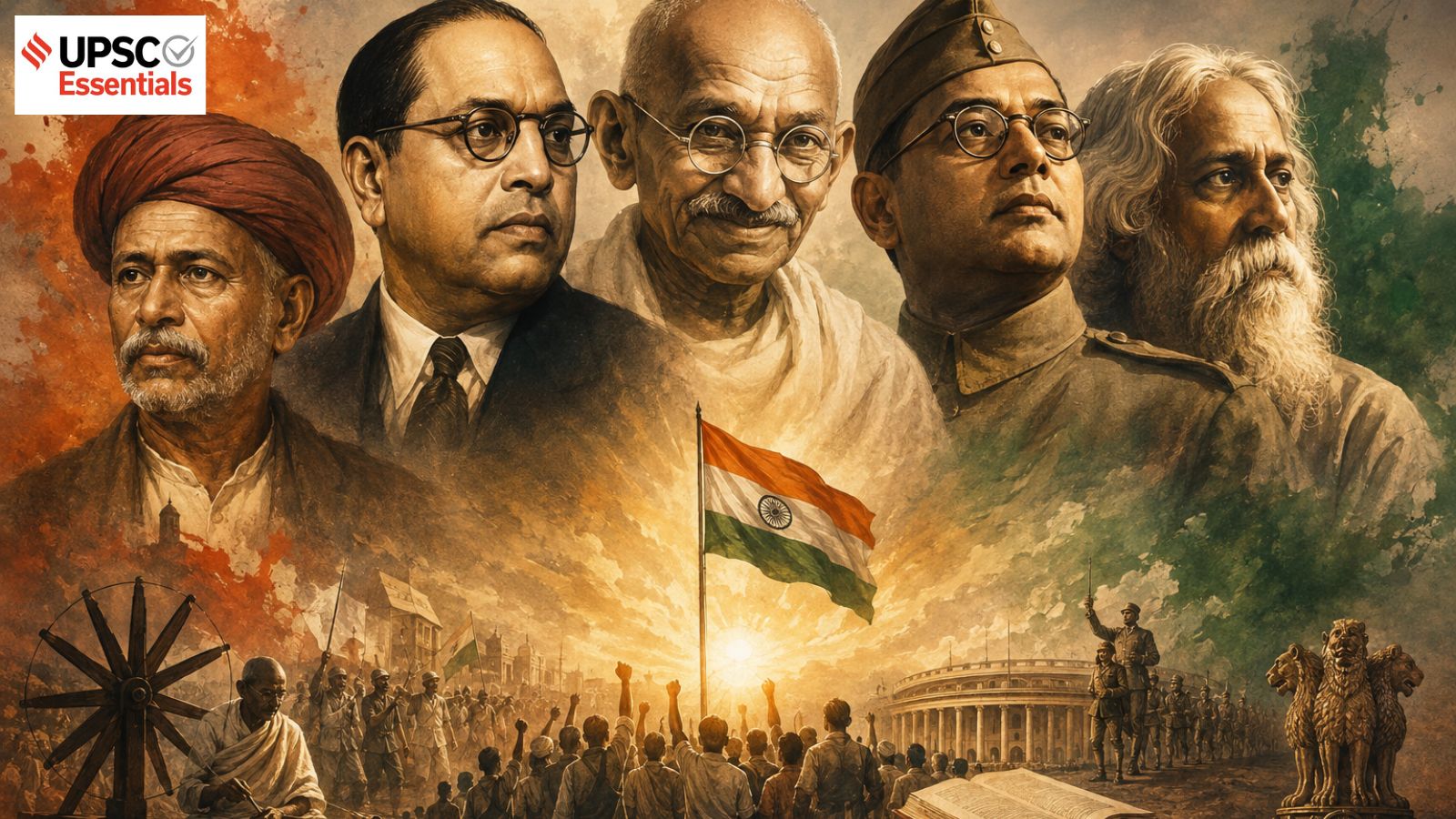
The Indian independence movement was a complex union of diverse ideas and methods, aimed at eradicating colonial rule and creating a free, just, and equal India. UPSC frequently tests the analytical understanding of this struggle, covering various aspects such as social reforms, mass resistance, constitutionalism, self-rule demand, and revolutionary actions.
Prominent personalities like Mahatma Gandhi, Dr. B.R. Ambedkar, Subhash Chandra Bose, and Jyotiba Phule all played crucial roles in shaping India's future. Gandhi's non-violent resistance, Ambedkar's focus on social equality, Bose's radical approach to complete resistance, and Phule's efforts against social barriers all contributed to the nation's quest for freedom.
UPSC examines the freedom struggle in its syllabus, testing candidates' understanding of the movement's various stages and significant contributors across different regions. The personalities covered in the UPSC syllabus provide valuable lessons for civil servants on leadership, courage, dedication to public service, and nation-building.
Written by urgent.news from The Indian Express's reporting — not their text. Machine-written — may contain errors; check the original before relying on it.
This story
This is one outlet's version. Read the fullest account.
- Independence Day 2026 | Jagat Murari and FTII: Where India’s filmmaking rebels were made thehindu.com
- 80 years free, India’s biggest independence challenge is its bureaucracy with colonial mindset hindustantimes.com
- Google marks India’s 80th Independence Day with vibrant textile-inspired Doodle indianexpress.com