Expert Explains | How a naval mutiny hastened India’s independence
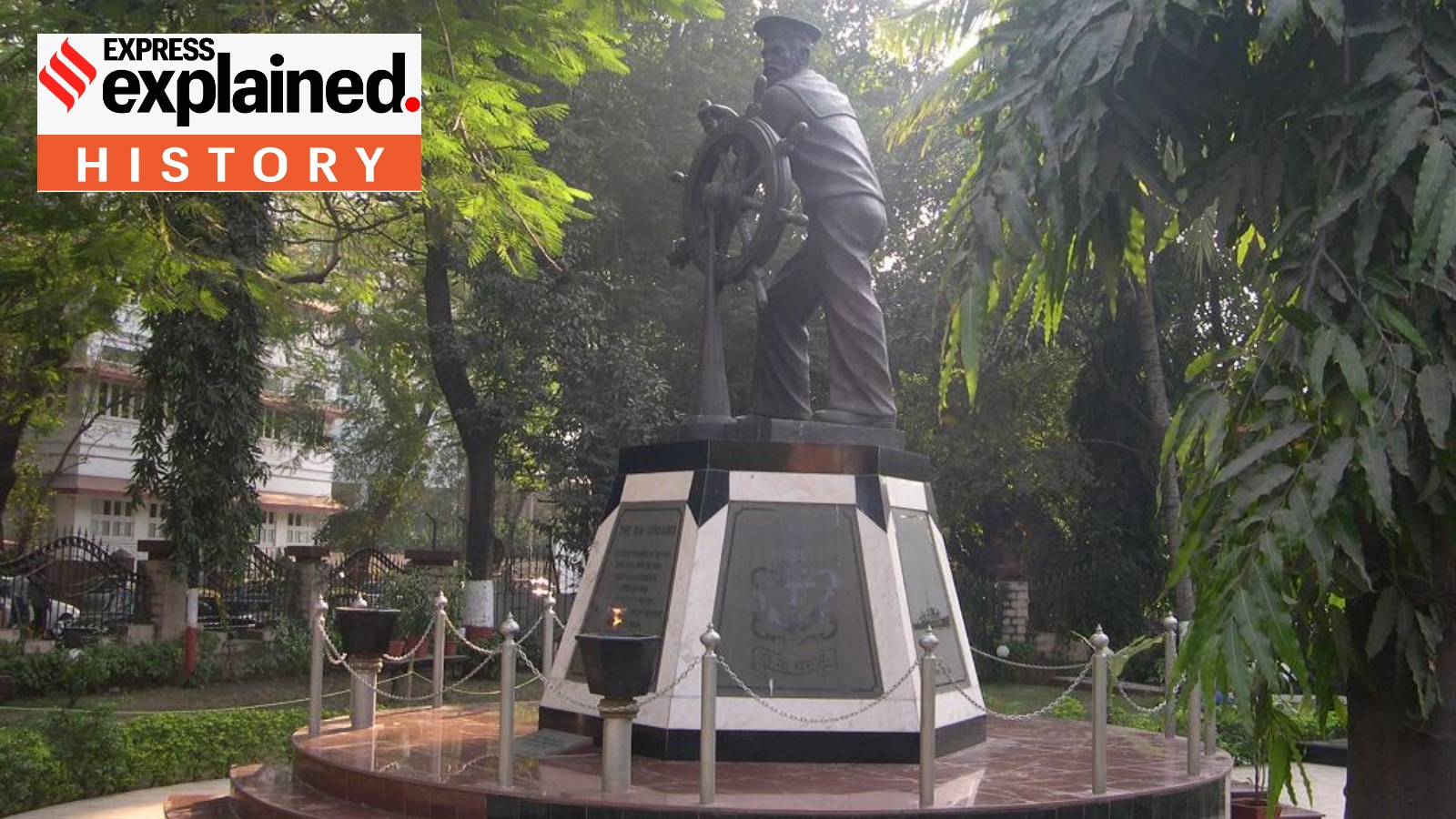
On February 18, 1946, a naval mutiny erupted in Bombay, marking a significant moment in India's journey towards independence. The Royal Indian Navy (RIN), established in 1934, had grown from a mere 2,000 members in 1939 to nearly 30,000 during World War II. The RIN's performance in the war led to expectations of recognition and improved conditions upon demobilisation. However, Britain decided to demobilise, reducing the RIN's strength from 30,000 to 11,000, causing many to feel their pride and status had diminished.
The immediate spark of the mutiny was ignited when some sailors on the HMIS Talwar, a shore establishment and Navy's signal training centre located in Bombay, hoisted brooms and buckets on November 30 and wrote slogans like "Down with the British" and "Quit India." This act of discontent was followed by an investigation and a change in commanding officers.
The new commander, Commander Arthur Frederick King, was intended to be a disciplinarian, but his treatment of the sailors was perceived as unsatisfactory, with instances of abusive language and harsh behaviour.
The mutiny's catalyst occurred when King, believing the sailors were being disrespectful, abused them, calling them "sons of coolies" during a visit to the Ratings mess on February 18. When the sailors lodged a formal complaint against King, the commander failed to address the issue, instead accusing them of lying and refusing to take any action.
This confirmed the sailors' discontent, leading to a strike across all naval stations, which quickly spread through wireless communication. The demands of the protesting sailors included holding King accountable and improving their service conditions.
Written by urgent.news from The Indian Express's reporting — not their text. Machine-written — may contain errors; check the original before relying on it.
Also reported by 3 other outlets
- Independence Day 2026 | Jagat Murari and FTII: Where India’s filmmaking rebels were made thehindu.com
- 80 years free, India’s biggest independence challenge is its bureaucracy with colonial mindset hindustantimes.com
- Independence Day 2026 : 5 faces of India’s freedom struggle UPSC keeps returning to in mains exam indianexpress.com