Europe’s deforestation law in the shadows of Ghana’s gold and cocoa forests
At daybreak in Begoro, in Ghana’s Eastern Region, Sammy Takyi walks slowly between rows of young cocoa trees. The soil is still cool. Broad plantain leaves hang above the tender seedlings, filtering the early morning light and shielding them from the heat that will come later in the day. The post Europe’s deforestation law in the shadows of Ghana’s gold and cocoa forests appeared first on Ghana…
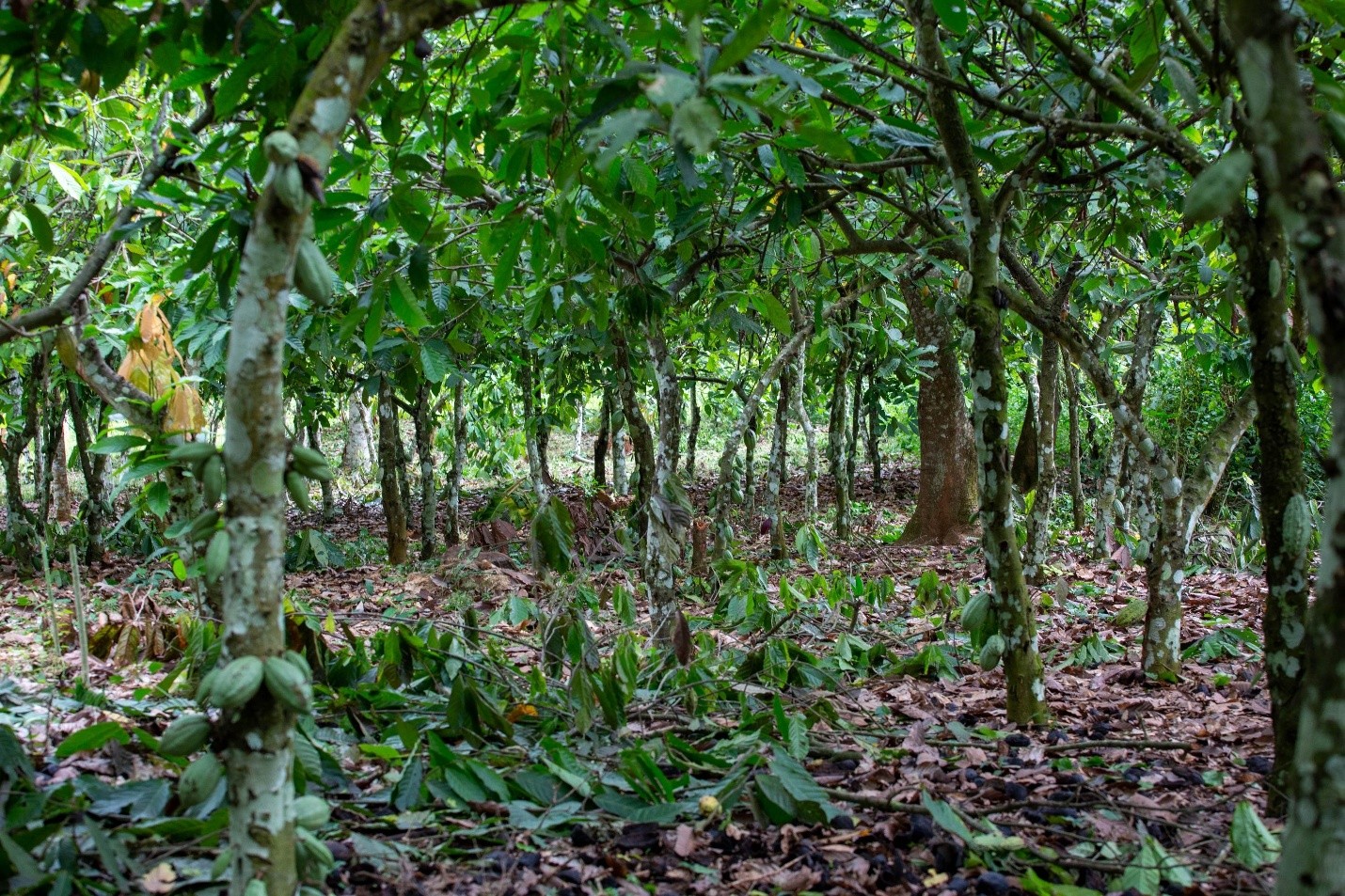
In the Eastern Region of Ghana, cocoa farmer Sammy Takyi tends to his five-acre farm, where young cocoa trees are gradually starting to bear fruit. For five years, the farmer has patiently cared for the cocoa, interspersing it with plantain trees that provide food and protection. However, the low returns and illegal gold mining threaten the livelihood of many farmers like Takyi.
Illegal gold mining, known as galamsey, has destroyed nearly 9,000 hectares of legally protected forest reserves in Ghana, according to a Forestry Commission assessment. The destruction of forests, coupled with outdated farming practices and weak enforcement of cocoa farming laws, has left cocoa farmers feeling frustrated and abandoning their farms in search of quick cash from illegal mining.
In response to these challenges, Ghana's Parliament passed a new COCOBOD Bill into law, consolidating fragmented cocoa laws and introducing new mechanisms such as a Cocoa Farmers Pension Scheme and a Cocoa Stabilisation Fund to support farmers.
Written by urgent.news from Ghana Business News's reporting — not their text. Machine-written — may contain errors; check the original before relying on it.