Air India’s Safety Crisis Is No Longer Just Tata’s Problem — It’s Everyone’s Concern
Three things need to be flagged after the incident involving Air India flight AI2379, an Airbus A320neo from Phuket to New Delhi, on August 4, which lost its flight controls after multiple hydraulic system failures and suddenly dropped 300 feet. Immediately after the incident, Air India tried to dismiss it as "turbulence", implying it was an act of God and ruling out any system malfunction. But…
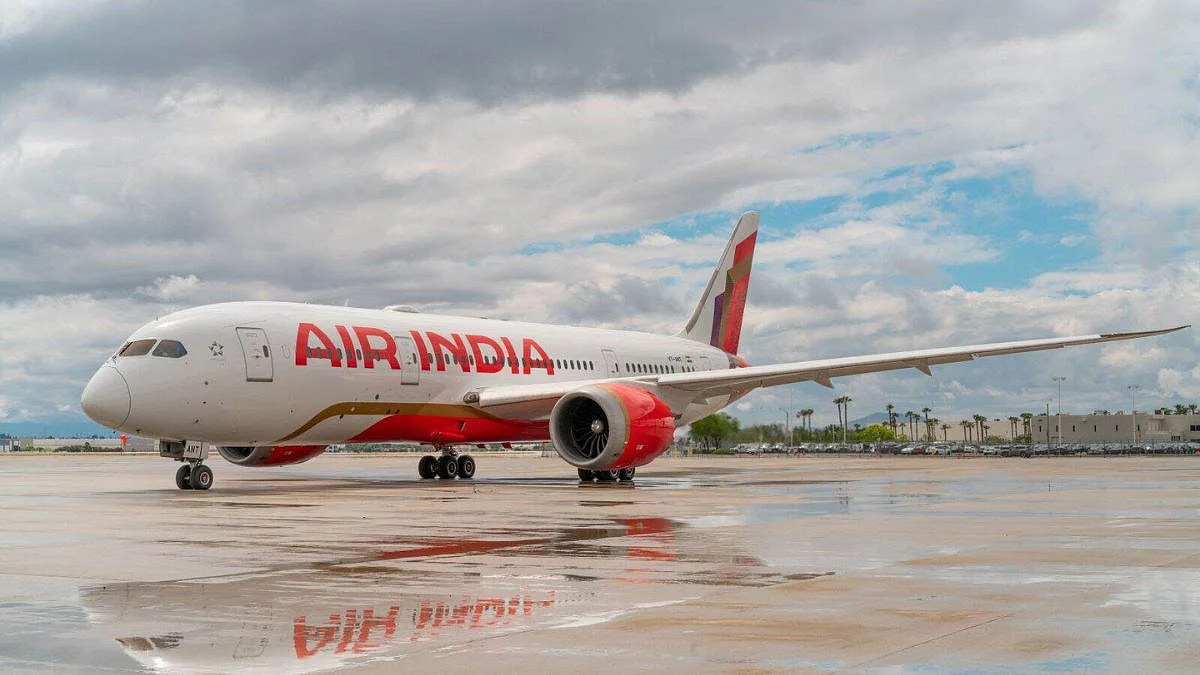
Three critical aspects have emerged following the incident involving Air India flight AI2379, an Airbus A320neo that suffered multiple hydraulic system failures, lost its flight controls, and plummeted 300 feet on August 4. Initially, the airline attempted to attribute the event to turbulence, deeming it an act of God and disregarding any mechanical malfunction.
The Ministry of Civil Aviation disagreed, labeling it a severe incident. Engineering analysis of the decoded flight data unveiled that the aircraft encountered three hydraulic system failures in rapid succession, resulting in the loss of elevators and aileron surfaces for approximately four seconds. Elevators govern the nose's movement up and down, while ailerons control the banking of the wings.
The crisis is not solely Air India's problem; it is a concern for all overseeing bodies. Between January 2025 and February 2026, the Directorate General of Civil Aviation inspected 166 Air India aircraft, uncovering repeated technical defects on 137 of them. A notice had already been issued to the airline for allowing these faults to persist across consecutive flights while crews were deployed nonetheless.
In May of the previous year, a check found a Bengaluru-London flight exceeded the 10-hour flight time limit on two consecutive days. Days before the Ahmedabad crash last year, which claimed 260 lives, the regulator had cautioned the airline about flying Airbus aircraft with expired or unverified emergency equipment, a situation that remained unaddressed.
In July 2025, the DGCA issued four notices covering 29 violations, including 19 training lapses, yet systemic problems in compliance monitoring, crew planning, and training governance persisted despite repeated warnings. On December 2025, the regulator demanded an explanation from Air India regarding the dispatch of a Dreamliner on the Delhi-Tokyo route, given that the same faults had occurred in five previous sectors, and the crew operated it anyway.
Moreover, one of the two pilots reportedly was not at the controls during the incident and failed a marijuana confirmatory test. The airline promptly responded by ordering drug tests for over 5,000 pilots. Finally, when AI2379 landed in New Delhi two hours after the injuries, ground arrangements were nonexistent, no ambulance was present to transport the injured to the hospital, and senior staff were absent.
Thirteen passengers and four crew members sustained injuries, underscoring that an airline repeatedly warned yet persisting in operations has now become a failure not only of one company but of everyone overseeing it.
Written by urgent.news from Free Press Journal's reporting — not their text. Machine-written — may contain errors; check the original before relying on it.