The deposit squeeze isn’t stopping South Africans from buying homes
South Africa’s property market remained resilient, with rising home loans and incomes supporting demand while luxury estates attracted high-value buyers.
South Africa's residential property market demonstrated resilience in July despite higher deposits affecting some applications, according to BetterBond's August Property Brief. Home loan approvals rose by 4.1% year on year, and by 28% compared to July 2024. Average house prices remained relatively stable, with the average price for all buyers at R1.7 million, and first-time buyers paying above R1.4 million.
This marked a record high for first-time buyers, attributed to improvements in affordability resulting from interest-rate cuts since late 2024 and rising average homebuyer incomes, which increased by 14% over the past two years.
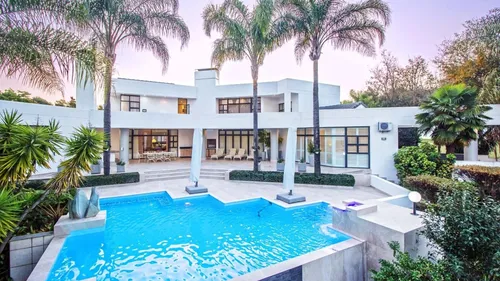
Although deposits increased in July, the ratio of deposits to annual salaries remained below the previous year's level and fell by 21% from its peak in the fourth quarter of 2022. Luxury estates in Gauteng and the Western Cape continued to attract high-value buyers. Seeff Property Group reported that demand for luxury residential estates in Gauteng was shifting upwards.
Gated estates around Johannesburg, Pretoria, and the wider Gauteng region have seen significant growth over the past two decades, accounting for 16.7% of all transactions but 28.6% of the value in Gauteng, worth over R35 billion. High-end estate transactions averaged R2.37 million, about 76% higher than Gauteng's overall average.
In the Western Cape, the luxury and hospitality market was gaining attention. A Park Avenue Boutique Estate in Hout Bay, listed for R114 million plus VAT, featured a five-suite manor, four two-bedroom villas, and various facilities. The property could potentially be used as a luxury boutique resort, corporate retreat, or wellness facility, catering to the growing tourism in the region.
International arrivals to the Western Cape increased by 11.1%, reaching 1.5 million in 2025, while tourist spending grew by 15.4% to R26 billion. Regional hotel occupancy averaged 71%, peaking at 80%. BetterBond noted that a future supply deficit could emerge due to slow approval of building plans and weaker lending for new constructions.
Written by urgent.news from IOL's reporting — not their text. Machine-written — may contain errors; check the original before relying on it.