Strongest El Niño in decades possible by year-end: What it means for India
A potentially record-setting El Niño event is developing in the Pacific Ocean, with a 69% probability of surpassing any recorded since 1950, according to the U.S. National Oceanic and Atmospheric Administration (NOAA). The phenomenon, which is expected to peak during the Northern Hemisphere winter, could have significant implications for India, though its full impact may not be felt until after the current southwest monsoon season concludes.
El Niño, the warm phase of the El Niño-Southern Oscillation (ENSO) climate pattern, is characterized by elevated sea-surface temperatures and altered atmospheric conditions in the tropical Pacific. These changes can lead to widespread weather anomalies, including increased drought risk, extreme heat, and reduced precipitation in certain regions of the world.
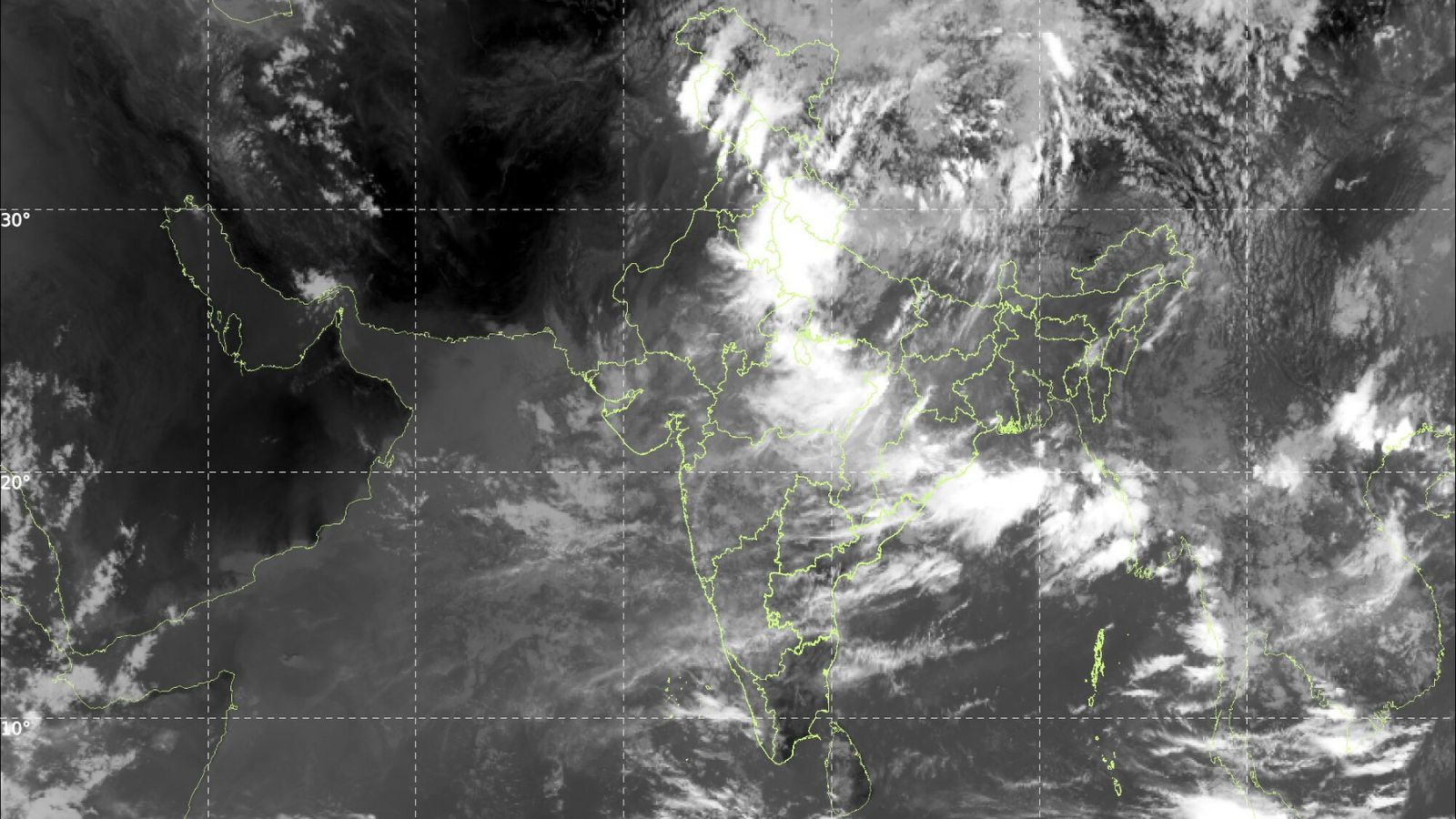
For India, El Niño typically correlates with below-average southwest monsoon rainfall, although this relationship is not definitive and the monsoon is influenced by multiple factors. Currently, the monsoon has been experiencing below-normal rainfall, with June recording a 35.4% deficit and July being near-normal. The India Meteorological Department (IMD) projects below-normal rainfall for August and the remainder of the monsoon season.
The timing of the El Niño's development could potentially moderate its influence on the ongoing monsoon, as its effects often become more pronounced over the Indian Ocean and regions nearer to India after a lag of approximately 40-45 days. By this point, the southwest monsoon is expected to have largely withdrawn by the official end of the season on September 30.
Additionally, the Indian Ocean Dipole (IOD), another climate pattern akin to El Niño, is currently neutral but is anticipated to transition to a positive phase toward the end of the monsoon period. A positive IOD can help mitigate some of the adverse impacts of El Niño on the Indian monsoon.
Written by urgent.news from The Indian Express - India's reporting — not their text. Machine-written — may contain errors; check the original before relying on it.