How India’s nilgai became an ecological concern thousands of kilometres away in Texas
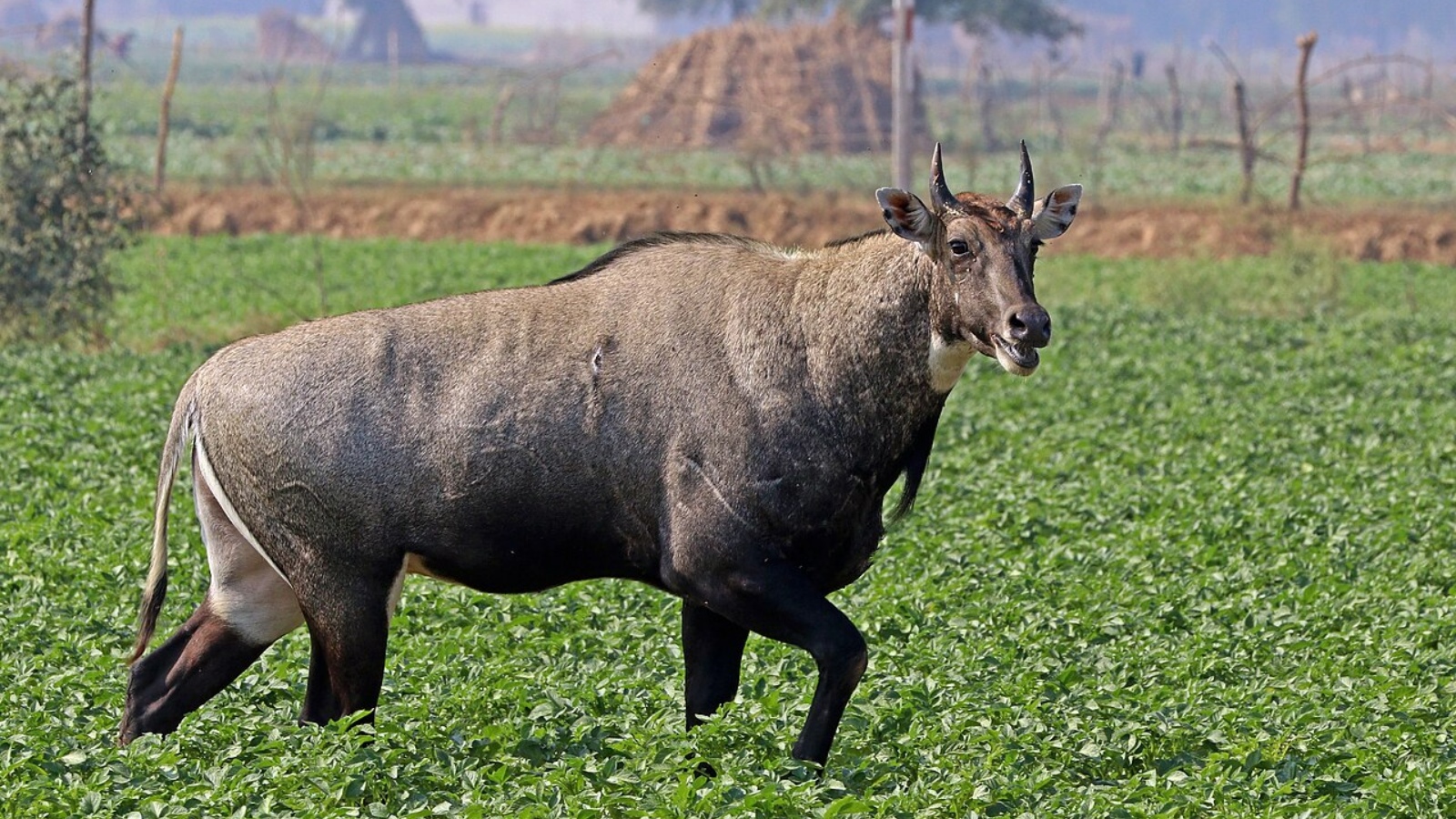
The nilgai, India's largest antelope, has become an ecological concern thousands of kilometers away in Texas. Once introduced to Texas nearly a century ago, the species has established feral populations due to suitable habitat and few natural checks. Wildlife photographer and environmentalist Indrajit Ghorpade highlights the case of the nilgai as part of the larger issue of invasive species, which can rapidly spread and cause harm to the environment, economy, human health, and create conflicts.
Introduced species often lack natural predators, leading to population growth and competition for resources. In Texas, nilgai were initially brought in as potential ranch animals and for meat, thriving in the warm climate, extensive grasslands, and large ranches. Their wide-ranging movements and ability to host ticks associated with cattle pathogens further present challenges for livestock producers.
While not considered an invasive species in India, nilgai have become pests in parts of the country due to habitat loss and expanding agriculture, leading to conflicts with farmers. The Texas situation serves as a warning about the consequences of changing natural systems and the importance of considering the ecological impacts of introducing exotic wildlife.
Written by urgent.news from The Indian Express - Lifestyle's reporting — not their text. Machine-written — may contain errors; check the original before relying on it.