Inscriptions in national park rocks preserve Korea's liberation history
After Korea's liberation from Japanese colonial rule, independence leader Kim Koo visited Seokguram Hermitage in Bukhansan National Park. At this location, where he took refuge before going into exile in Shanghai, he reflected on the past and left a carved inscription reading, "At Seokguram, Kim Koo, who visited this place in the autumn of 1948." His calligraphy, reflecting his longing for Korean…
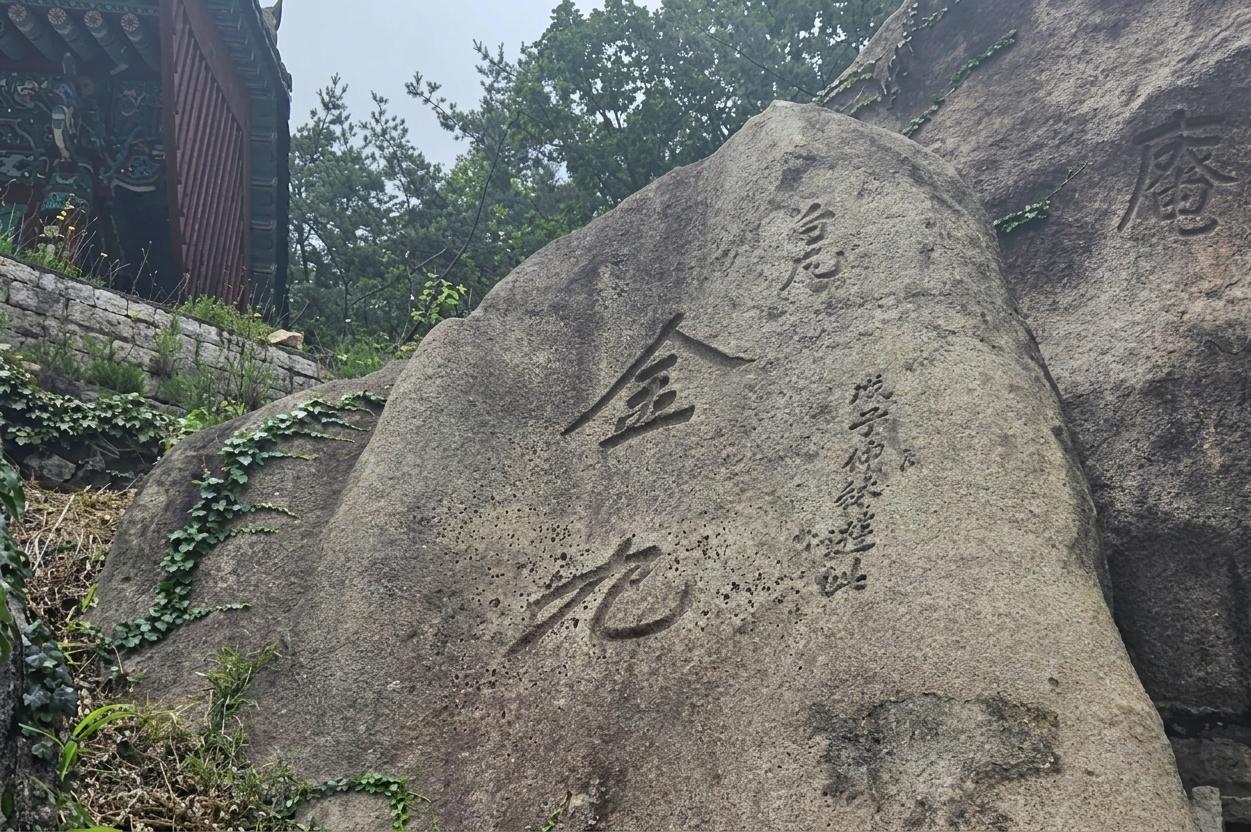
In South Korea's Bukhansan National Park, a rock inscription from 1948 commemorates Korea's liberation from Japanese rule. Independence leader Kim Koo, who sought refuge at Seokguram Hermitage prior to exile, inscribed "At Seokguram, Kim Koo..." onto the massive stone. The inscription, imbued with his yearning for independence, remains legible after 74 years.
In Jirisan National Park, a second rock bears an even more extensive 392-character dedication. Composed by scholar Muk Hui in the Joseon era and inscribed by Kwon Ryun, the text invokes the mighty Cheonwangbong Peak and Mount Jiri to ward off foreign aggressors for a brighter future. Carved on July 1, 1924, this rock epitomizes the resilience of those fighting for Korea's sovereignty.
As South Korea observes its 81st National Liberation Day, the National Park Service highlights these inscriptions as testaments to the country's struggle for independence.
Written by urgent.news from The Korea Times's reporting — not their text. Machine-written — may contain errors; check the original before relying on it.
This story
This is one outlet's version. Read the fullest account.