Guardians of the gentle giants: Mahouts from indigenous communities and their bond with elephants
With World Elephant Day (August 12) and the International Day of the World’s Indigenous Peoples (August 9) observed back-to-back this month, a look at the bond between tribal people and elephants. Also, how technology comes to the rescue while mitigating man-animal conflict
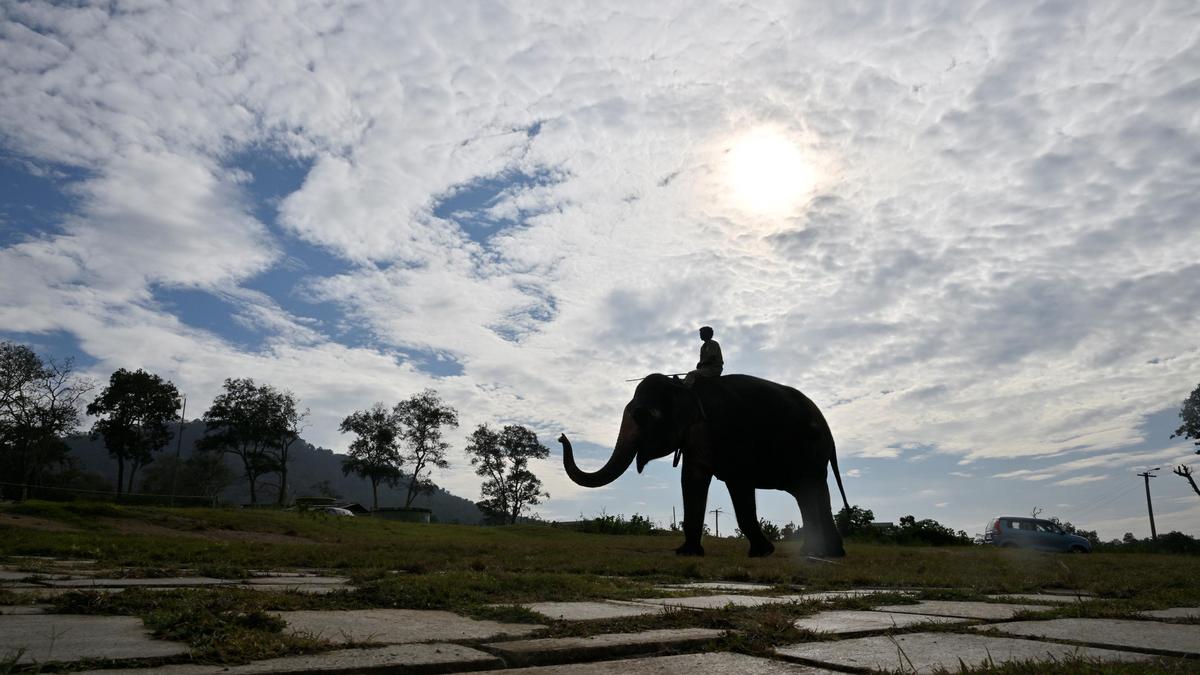
For centuries, Indigenous communities have been the guardians of forests, ecosystems, and wildlife. They possess generations of knowledge on elephants, grasslands, medicinal plants, and seasons, which are essential for sustainable living. On World Indigenous Peoples’ Day, it is important to honor their wisdom and resilience, amplify their voices, and learn from them.
This World Elephant Day, we focus on the mahouts and cavadies from tribal communities who play a crucial role in caring for captive elephants in Tamil Nadu. These mahouts and cavadies, drawn mostly from local tribal communities like Kaatunaickers, Kurumbas, and Malasars, have been the caretakers of elephants for generations.
Theppakadu Elephant Camp, situated in the Mudumalai Tiger Reserve (MTR), is one of the oldest camps in Asia, dating back to the 1920s. It houses up to 27 elephants that are rehabilitated. The tribal communities of Kaatunaickers, Kurumbas, and Malasars have been the caretakers of these elephants for generations. The camp maintains and trains elephants using traditional knowledge passed down through generations. Notably, no conventional tools like the ankush (a stick with a pointed hook) are used in training.
Retired mahout M Maran, who has worked at the camp for 38 years, emphasizes the deep bond between mahouts and elephants: "We teach a few commands, pat them, and treat them with love. They reciprocate." Malasars, a tribe residing in the Anamalai Hills, also share an intricate bond with elephants, understanding and responding to over 60 commands.
The Kozhikamuthi Elephant Camp, also located in the Anamalai Tiger Reserve (ATR), houses over 20 elephants. It has been upgraded with modern amenities, including an elephant viewing gallery and a visitor walkway. The camp's mahouts and cavadies, numbering over 47, are drawn from the Kozhikamuthi Malasar tribal settlement. This community has a deep historical connection to the ATR and has played an active role in wildlife management, earning national honors such as the Gaj Gaurav Award for elephant conservation.
Written by urgent.news from The Hindu - Sci-Tech's reporting — not their text. Machine-written — may contain errors; check the original before relying on it.