Europe battles self-cloning crayfish as Czech Republic targets new outbreaks
European conservationists are launching a campaign to eradicate new populations of marbled crayfish, notorious for their rapid reproduction and the deadly diseases they carry. Funded by the European Union, these swift action initiatives aim to tackle invasive species promptly, mitigating the risk of extensive environmental and economic harm while safeguarding native ecosystems from foreign…
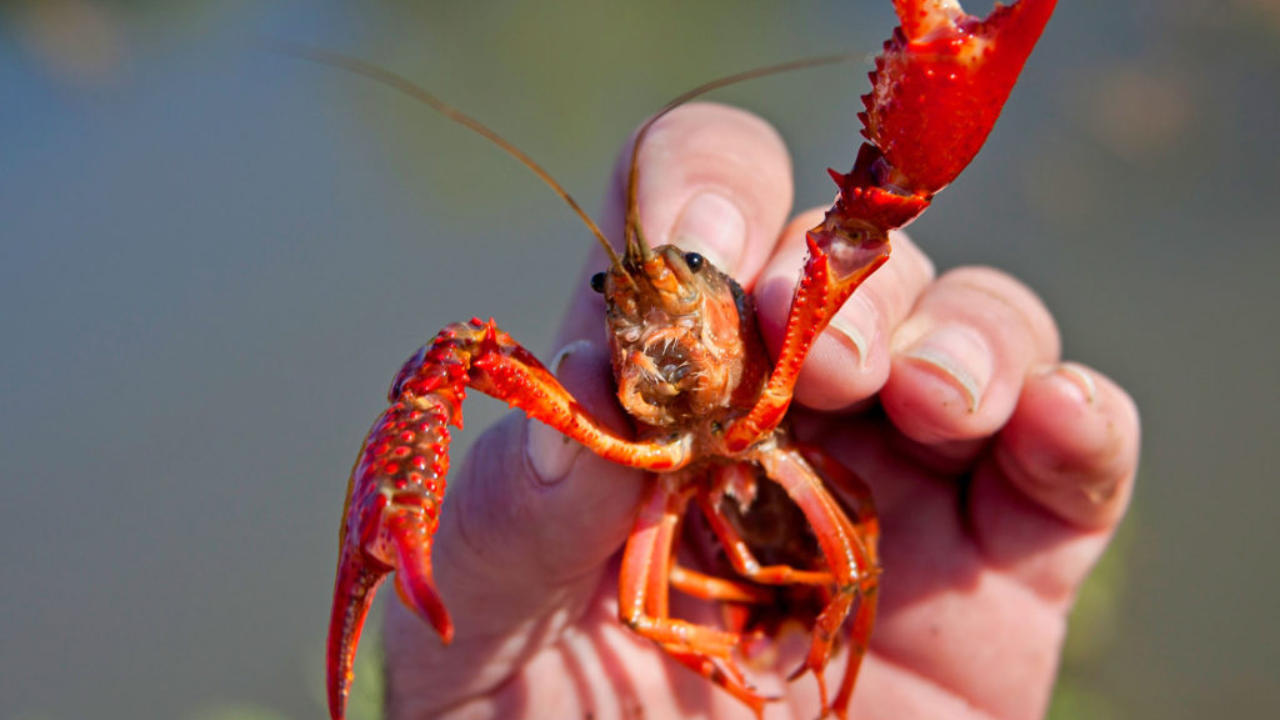
Conservationists in the Czech Republic are combating invasive self-replicating marbled crayfish before they can spread across local waterways. This effort is part of a broader European Union initiative to control invasive alien species while they are still manageable. The Nature Conservation Agency of the Czech Republic is spearheading the local project, which focuses on two recent sightings of the marbled crayfish species.
Unlike most freshwater crustaceans, marbled crayfish reproduce asexually through parthenogenesis, enabling them to multiply rapidly. Additionally, they carry crayfish plague, a fungal disease that has severely impacted native European crayfish populations.
This Czech project is among the first 20 supported by the European Invasive Alien Species Rapid-Response Fund, co-funded by the EU and IUCN Save Our Species. The fund provides grants of €10,000 to €50,000 to enable swift action when new invasive species are detected. Despite progress in addressing biological invasions, the EU still faces ongoing challenges, as non-native species continue to establish themselves in new areas.
The European Environment Agency estimates that non-native species cause approximately USD 28 billion annually in environmental damage, lost economic activity, and management costs throughout Europe. Globally, invasive alien species have been responsible for 60 percent of recorded animal and plant extinctions, accounting for 16 percent of those cases.
Early intervention is crucial in preventing the establishment of invasive species, as early action is far more cost-effective and feasible than attempting to control them once they have become widespread. Professor Helen Roy, Co-Chair of the IUCN SSC Invasive Species Specialist Group, emphasizes that every invasive species that becomes problematic initially starts as a small population in one location.
Targeting these early populations offers conservationists a significantly higher chance of preventing long-term damage. The European Invasive Alien Species Rapid-Response Fund, which provides grants ranging from €10,000 to €50,000, aims to support government agencies, research institutions, and conservation groups in their efforts to act swiftly when new invasive species are identified.
The fund has allocated resources to various projects across Europe, targeting invasive species in marine, freshwater, forest, and urban environments. In addition to the Czech Republic, projects in Croatia, Belgium, Austria, Italy, Portugal, and Finland are underway, addressing a range of invasive species such as lionfish, bullfrogs, African clawed frogs, raccoons, turtle doves, mynas, leiothrix, wall lizards, Japanese knotweed, Ludwigia, and alligator weed.
Written by urgent.news from Times of India's reporting — not their text. Machine-written — may contain errors; check the original before relying on it.