Astronomers Discover an Entirely New Type of Object: a “Black Hole Star”
"It is a very special thing to find an object with no comparison." The post Astronomers Discover an Entirely New Type of Object: a “Black Hole Star” appeared first on Futurism .
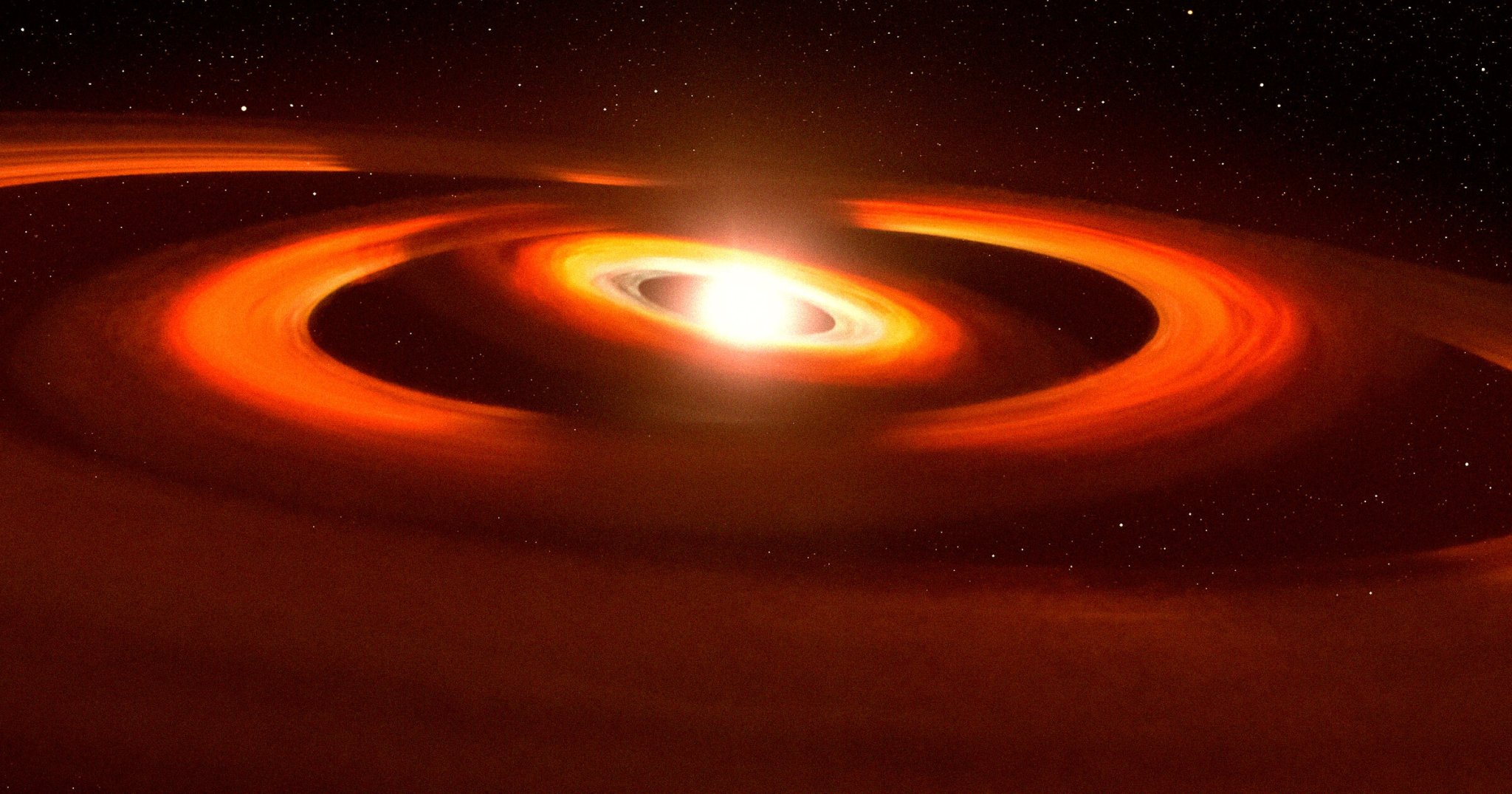
Recent observations using the James Webb Space Telescope have unveiled a novel cosmic phenomenon: a "black hole star" named MoM-BH*-1. Discovered by astronomers Rohan Naidu and colleagues, this unusual object is an astounding 100,000 times more massive than our Sun and is entangled in a thick shell of gas, making it appear as a star the size of our solar system.
Unlike regular stars, MoM-BH*-1's central energy source is a black hole ceaselessly devouring matter, releasing an astronomical 100 billion times more energy than any known star. Dating back less than 700 million years post-Big Bang, MoM-BH*-1 is a one-of-a-kind entity, astronomer Naidu told Gizmodo, stating that it is "one in a billion."
The notion of black hole stars emerged nearly two decades ago and gained traction post the James Webb's launch in 2022, which spotted numerous "little red dots" in the early universe. These enigmatic objects baffled scientists, as they were too massive to be stars but too compact to be galaxies. However, the black hole star hypothesis garnered more credibility when another team detected x-rays emanating from one of these objects, confirming a black hole at its core.
Naidu's team identified MoM-BH*-1 while investigating the reduced light brightness of certain Little Red Dots. Despite their lack of visible dust, simulations revealed that a dense layer of hydrogen, with a central black hole, could generate the same effect, explaining the intense light observed. If corroborated, MoM-BH*-1 suggests that the other Little Red Dots might also be black hole stars, outshining their host galaxies and presenting pure black hole light.
Written by urgent.news from Futurism's reporting — not their text. Machine-written — may contain errors; check the original before relying on it.