Grand Theft Auto 2 – The Legacy Review
Grand Theft Auto 2 boasts a number of noticeable technical improvements over the original and feels far better to play, but I'm glad its odd and unrecognisable setting was a one-time experiment.
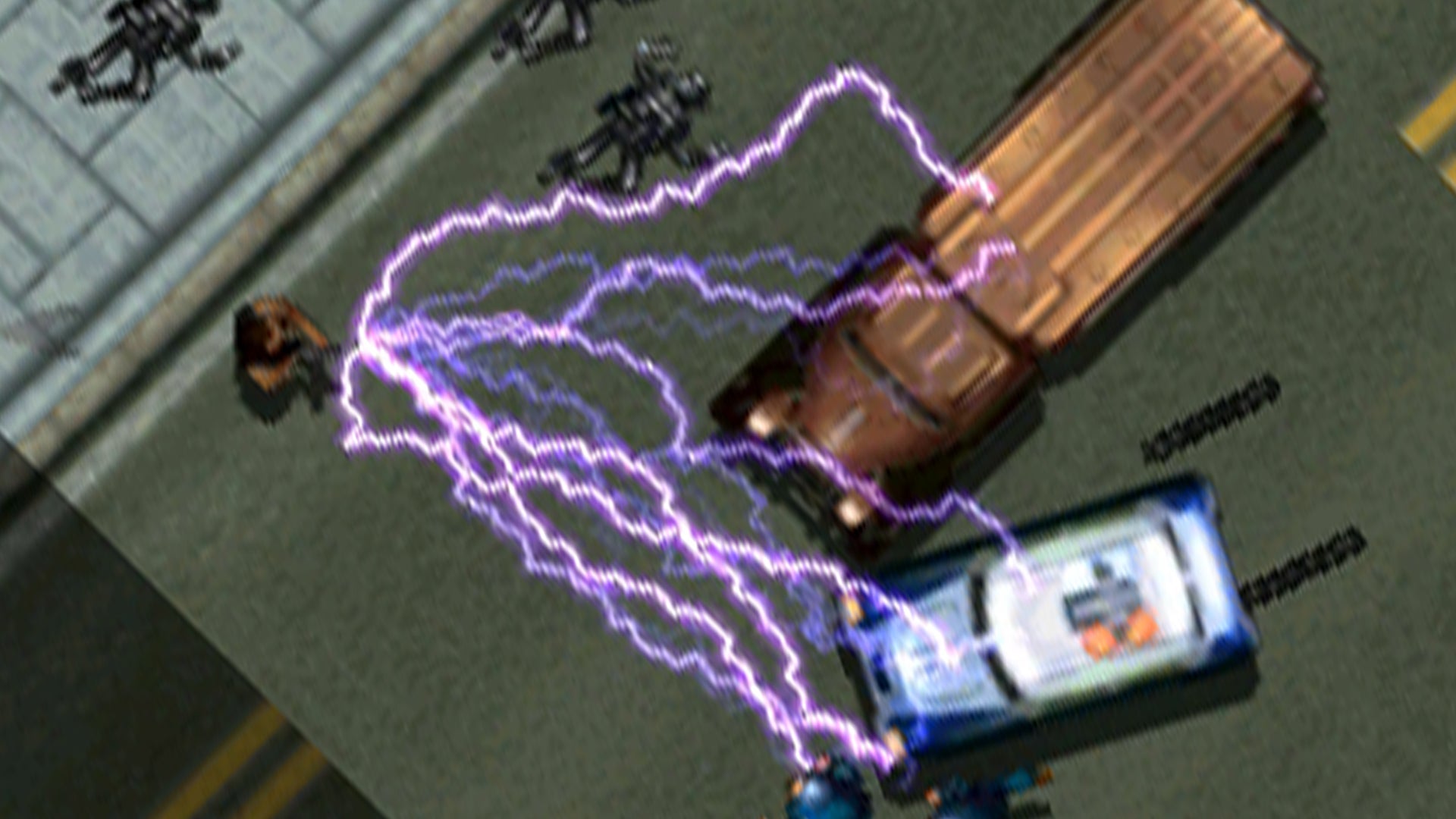
Grand Theft Auto 2, released in the late 1990s, marked a significant refinement of the top-down chaos that defined its predecessor. This installment introduced a few notable enhancements, but it also struggled with its own identity crisis. Unlike its predecessor, GTA 2 opted for a retro-futuristic setting in Anywhere City, USA, a place of gangs, mega-corporations, and Elvis impersonators.
One of the most apparent changes in GTA 2 was the addition of a save function, which allowed players to remember their progress at churches. This improvement over the original, which did not feature saving, meant players could continue their missions without having to start from scratch. However, the game still operated with a limited number of lives and a health bar on a 10-point scale, reminiscent of the original.
GTA 2 also addressed the problematic tank-like controls from its predecessor. While dodging incoming fire remained challenging, the addition of a health bar and a more forgiving camera helped alleviate this issue. The camera was less janky and tracked cars more smoothly, and cars could now self-straighten while driving, reducing the finicky lane changes and adjustments.
Additionally, GTA 2's cityscape featured fewer obstacles that cars could get hung up on, as skinny objects like light poles no longer registered as collisions.
The game expanded on the customization options available to players. Vehicles could now be equipped with weapons and gadgets, such as machine guns, mines, oil slick traps, grenades, Molotovs, a suppressed SMG, a shotgun, a dual pistol, and a futuristic electro gun. These additions added depth and strategic possibilities to the gameplay, allowing players to tailor their vehicles to their preferred playstyles.
Despite the improvements, GTA 2 struggled to find its footing in terms of identity. The game's appearance and setting were markedly different from the original GTA, causing a disconnect for players who had grown accustomed to the contemporary look and feel of the first title. This identity crisis, coupled with the fact that it felt like an unrelated product, likely contributed to the player's quick departure from GTA 2, which was disappointing given the potential enhancements over the original.
Written by urgent.news from IGN's reporting — not their text. Machine-written — may contain errors; check the original before relying on it.