The Hidden Distributed System Inside Your WebView App
Why the web↔native boundary in a hybrid React Native app is an unversioned API — and what it costs when the two halves ship on different clocks.
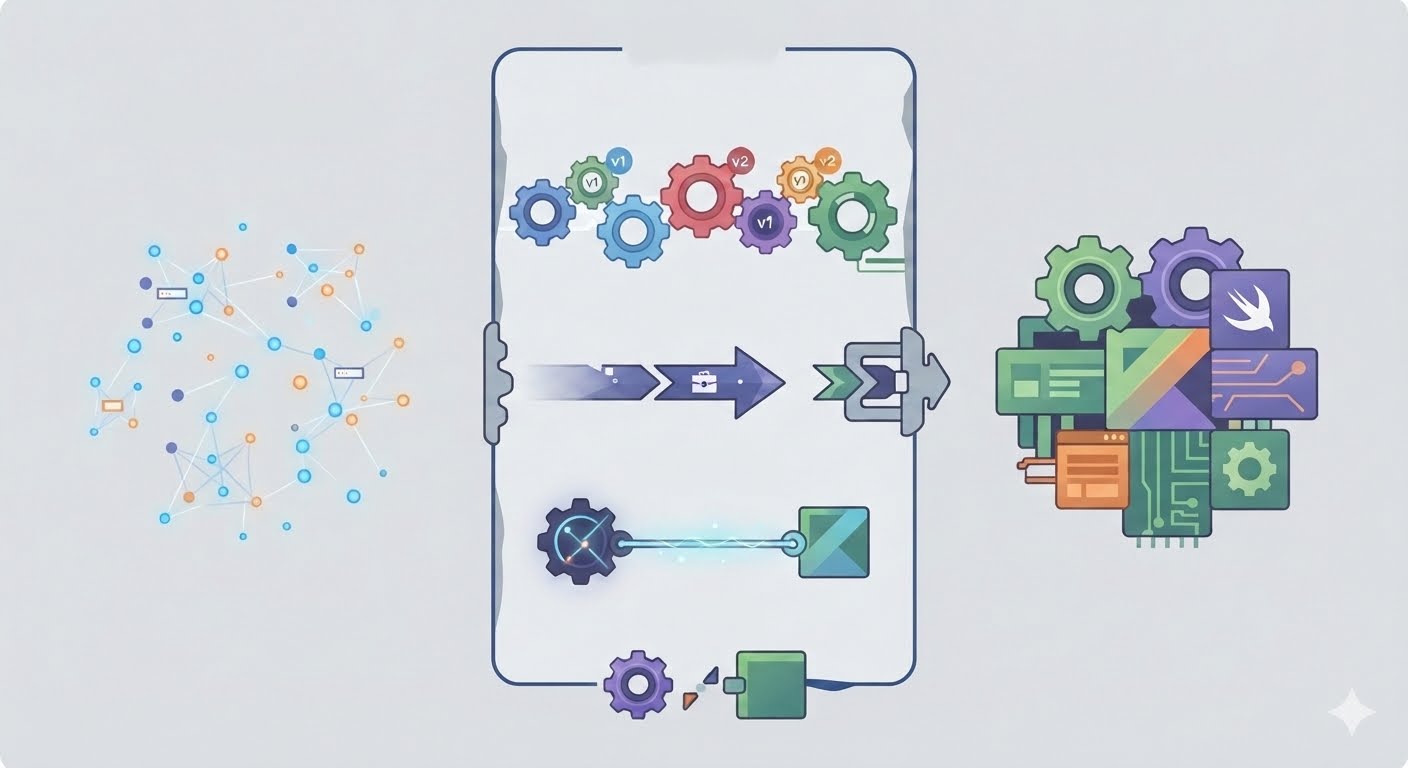
The hidden distributed system inside a WebView app offers rapid updates to paywall content without requiring app store reviews or user updates. However, this architecture can lead to a fault line, where web and native components operate on separate schedules and may encounter compatibility issues. When developers add a WebView to their native app, they're essentially building a distributed system without realizing it.
The Back button, for example, can stop working if the web component is updated independently, leading to user frustration. This architectural flaw is often overlooked because it appears as a simple web page within an app, masking the underlying distributed system. To address this, developers should explicitly define the contract between web and native components, including data formats, versioning, and error handling.
This way, they can maintain a single, cohesive user experience without the hidden risks of a distributed system.
Written by urgent.news from HackerNoon's reporting — not their text. Machine-written — may contain errors; check the original before relying on it.