My iPhone outsmarts my full-frame camera in most lighting situations, so should I trade it in?
Can an iPhone really beat a full-frame camera? A pro photographer reveals why Apple's AI often delivers better group shots and low-light results. The post My iPhone outsmarts my full-frame camera in most lighting situations, so should I trade it in? appeared first on Amateur Photographer .
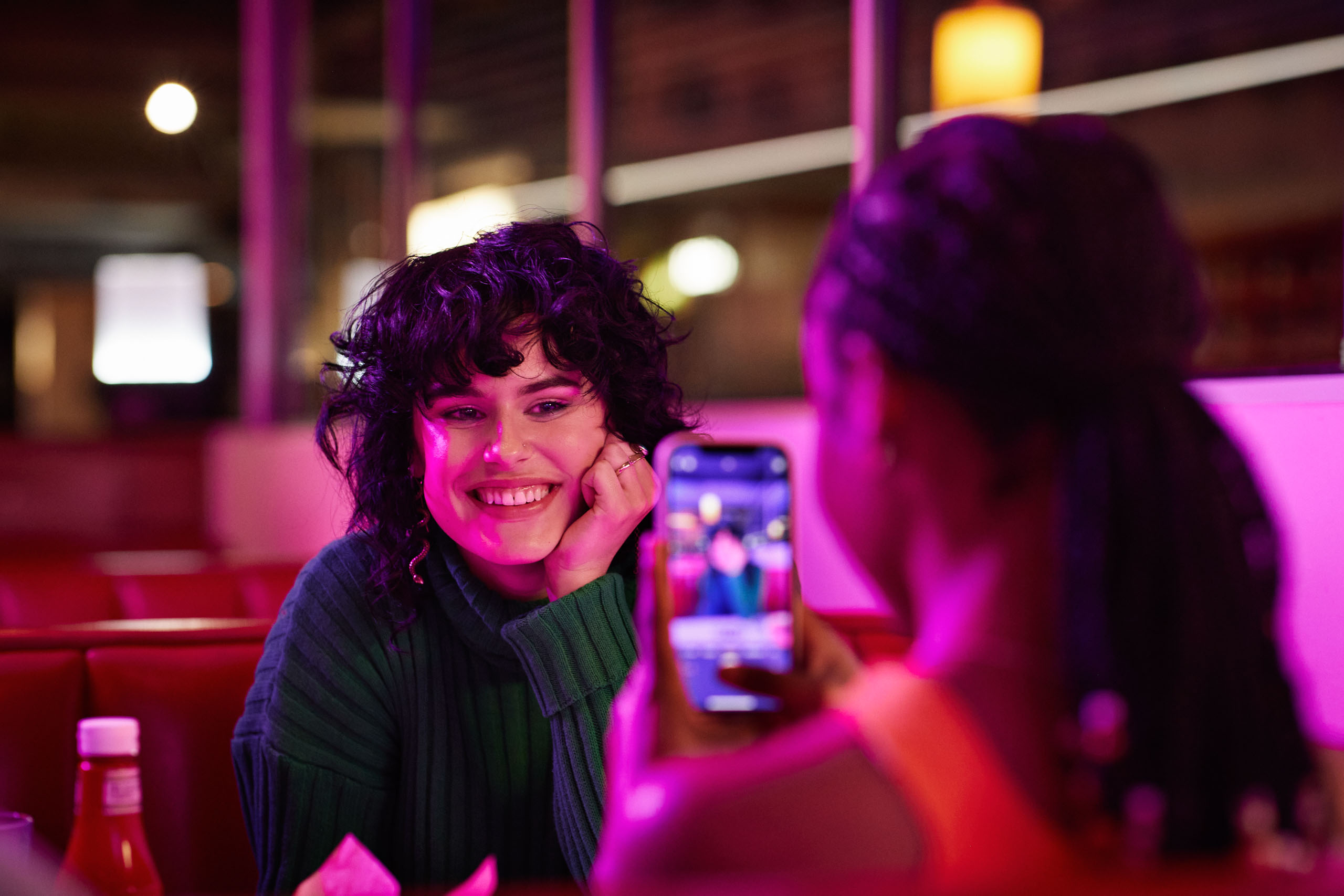
I am a professional wedding and events photographer, and I often get asked to take quick group photos at such events. While I don't mind helping out, there's a part of me that wishes I could tell people their iPhone might actually produce a better result than my full-frame camera. It would be more convenient for them to share the photo on social media since it's already on their phone, and I wouldn't have to wait to edit it.
Of course, I wouldn't shoot an entire wedding on an iPhone. The trusty full-frame cameras, like the Canon EOS R5 and Canon EOS R6 Mark II, provide crucial features I can't live without, such as dual card slots, high ISO performance, custom exposure settings, and interchangeable lenses.
However, in low light situations, like inside a church, my full-frame cameras are set up to shoot wide open, capturing as much available light as possible and creating a shallow depth of field. This effect guides the viewer's eye towards a single subject. If I were to take a group shot in these low light conditions with my full-frame camera, I might need to switch to my flashgun and adjust the settings to ensure proper lighting and enable a narrower aperture.
That said, I firmly believe that an iPhone would likely do a better job in these situations due to its super powerful AI processing and 'computational' photography. Smartphones like the iPhone inherently use a small sensor to keep them pocketable, which helps create a deep depth of field in group shots, keeping everyone in focus beautifully.
Smartphones like the iPhone have many AI-powered tricks up their sleeves. Instead of taking a single image, the iPhone takes multiple images before you even press the shutter. It constantly shoots various exposure values with its Zero-Shutter-Lag buffer, both over and under-exposed. These images are then blended together into a single final image with no loss of detail.
This process, known as Pixel Fusion, expands the tones far beyond what a single image could achieve, creating perfectly balanced tones from the deepest blacks to the brightest highlights.
Additionally, the iPhone uses face detection to isolate individual faces in the group, applying localized tone and texture adjustments to make each person look spot-on. It also uses Smart HDR tuning to ensure elements like clothing, skin, and hair are edited separately. The iPhone is able to recognize faces within a photo and make tone and color adjustments to preserve and enhance natural skin tones.
Written by urgent.news from Amateur Photographer's reporting — not their text. Machine-written — may contain errors; check the original before relying on it.