Asia can step up as humanitarian aid sees ‘biggest contraction’ in recent history: IFRC
Humanitarian needs driven by climate disasters and global conflicts are continuing to outstrip available resources, putting growing pressure on an aid system already grappling with a funding squeeze, says IFRC Asia Pacific director Alexander Matheou.
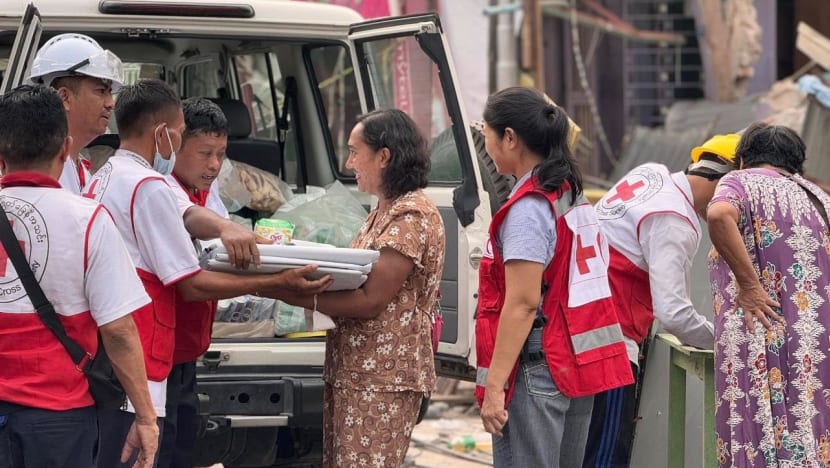
The International Federation of Red Cross and Red Crescent Societies (IFRC) has warned that humanitarian aid is facing its most significant contraction in recent history due to a funding squeeze, according to IFRC Asia Pacific director Alexander Matheou. Asian countries could become more involved in the global humanitarian system as traditional donors reduce their funding, as the aid system grapples with an unprecedented funding shortage.
The global humanitarian system is primarily funded by a small number of donors from North America and Europe, who have all cut back on financing, resulting in the largest aid contraction in recent history. Asian countries are already increasing their humanitarian support and assuming more responsibility for addressing crises. However, their contributions remain relatively small.
While some countries in the region are investing in disaster management and reducing their dependence on aid, others, such as Afghanistan and Myanmar, continue to rely heavily on international assistance. In Afghanistan, about half of the primary health clinics supported by the IFRC have been closed, leaving remote communities without access to healthcare.
In Bangladesh, the world's largest refugee camp has experienced cuts to food rations, medical care, and education for children. Despite the funding challenges, some governments in Asia Pacific are investing in disaster prevention and preparedness measures, such as China's investments in dams and flood basins, cyclone shelters in Bangladesh, and Japan's earthquake preparedness initiatives.
However, many coastal areas and cities in the region still lack adequate investment in preparedness, leaving them vulnerable to multiple climate threats, including extreme heat. The changing humanitarian landscape may require Asia to broaden its traditional forms of solidarity, extending support beyond neighboring countries and crises to include communities affected by disasters and conflicts around the world.
Written by urgent.news from Channel News Asia's reporting — not their text. Machine-written — may contain errors; check the original before relying on it.