The Perseid meteor shower peaks this week: Heres how to see it
Perseid meteor shower peak 2026: How to see it.
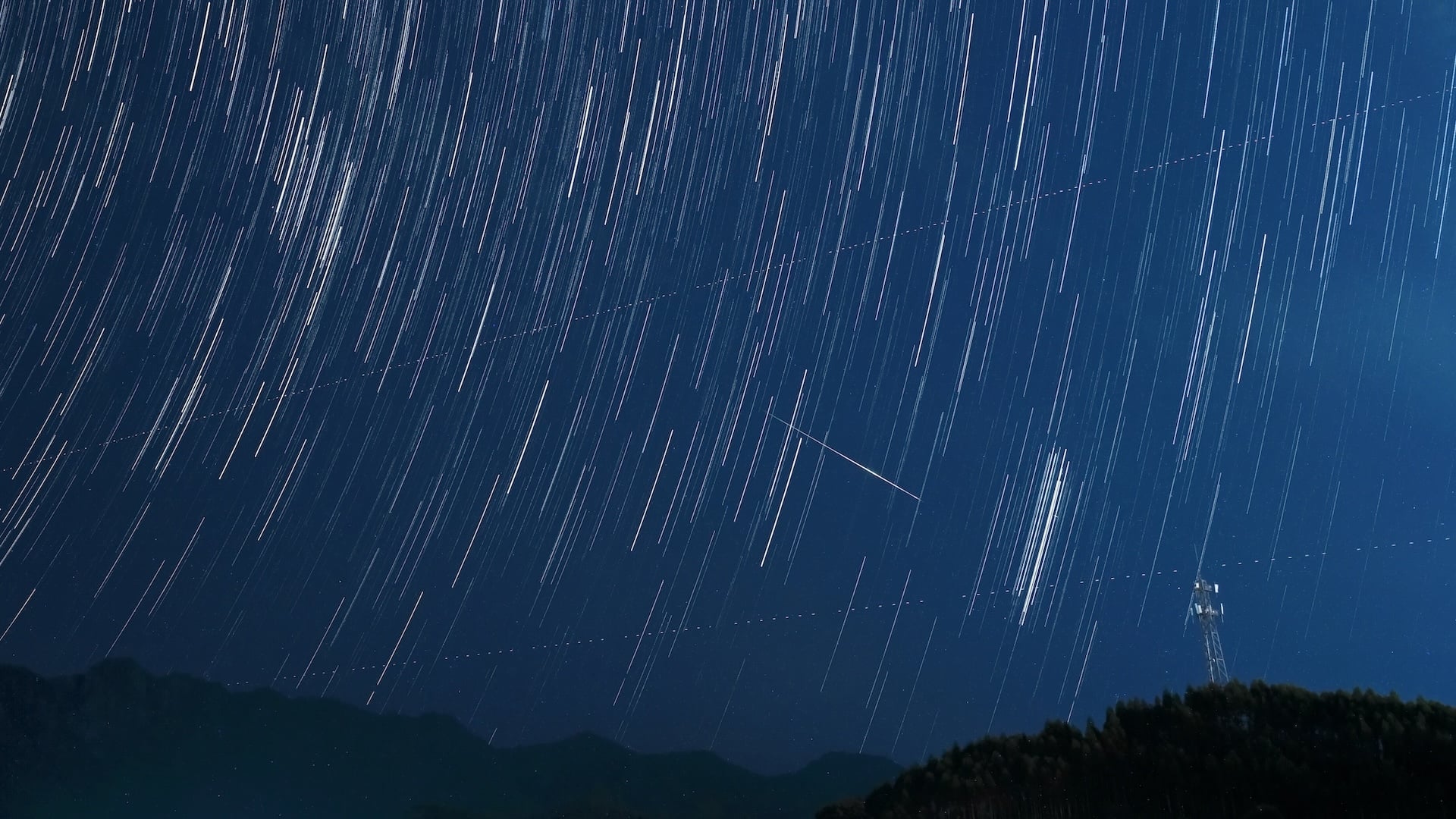
Throughout July and early August, the annual Perseid meteor shower has been visible in our night skies. A highlight on many stargazing calendars, the shower has been ongoing for about a month. The peak dates are approaching this week, offering stargazers a chance to observe meteors streaking across the sky. Here's what you need to know about the upcoming event.
The Perseids have been active since July 17 and will continue until August 24. The best time to see them is from August 12 to 13, as stated by NASA. Comets leave debris in their wake, and when Earth passes through this debris, the tiny particles of rock and dust burn up in our atmosphere, creating the bright streaks we see in the night sky. Some larger pieces of debris can produce fireballs, or bright flashes.
To maximize your chances of witnessing the Perseids, NASA recommends viewing the sky from midnight to early morning. Choose a location away from artificial light sources, such as streetlights, and allow your eyes time to adjust to the darkness. This year, the peak of the Perseids coincides with a New Moon, which means the moonlight will be minimal, making it easier to spot the fainter meteors.
Written by urgent.news from Mashable's reporting — not their text. Machine-written — may contain errors; check the original before relying on it.
This story
This is one outlet's version. Read the fullest account.
- Perseid meteor shower: Dubai Astronomy Group warns stargazers away from Al Khatim Desert gulfnews.com
- NASA hosts Perseid meteor shower 2026 watch party LIVE on YouTube. Here's when and how people across world can join livemint.com
- What to know about the Perseid meteor shower in mid-August mainichi.jp
- Perseid meteor shower peaks under perfect skies tonight — here's what to expect space.com