Perseid meteor shower: Dubai Astronomy Group warns stargazers away from Al Khatim Desert
Dubai: With the Perseid meteor shower peaking tomorrow, Dubai Astronomy Group has issued a notice about one of the sites people often head to. Al Khatim Desert, in Abu Dhabi, is not recommended for independent stargazing. Most of it is private land, and visiting on your own is not permitted. The exception is organised events. If you are attending an authorised experience run by a tourism company,…
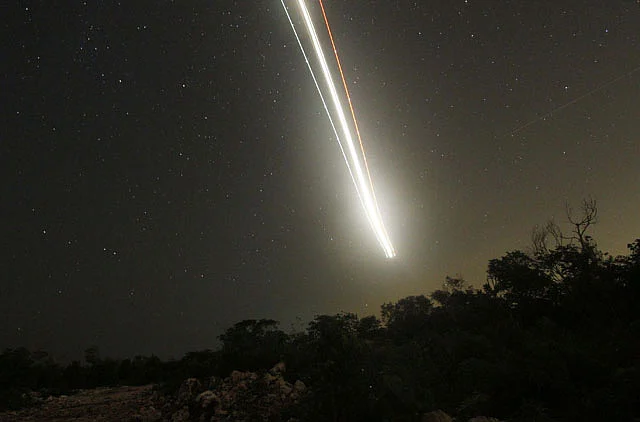
Dubai's Dubai Astronomy Group has cautioned stargazers against venturing alone to Al Khatim Desert during the Perseid meteor shower, which is slated to reach its peak tomorrow. The desert, primarily composed of private land, prohibits unguided access. Organized events, however, are an exception.
For a safe and compliant stargazing experience, the group recommends alternative locations such as Al Quaa Desert and Al Qudra Desert. Al Quaa Desert, situated roughly two hours from Dubai, boasts among the darkest skies in the nation, making it an ideal spot for observing the meteor shower. Al Qudra Desert, located about an hour from the city, presents the most convenient option for those seeking a shorter drive.
The Perseid meteor shower is expected to peak overnight from Thursday into the early hours of Friday. This year's event is anticipated to be particularly impressive due to a new moon, which eliminates moonlight interference, creating the most favorable viewing conditions since 2018. NASA estimates the rate of meteors could reach up to 100 per hour under optimal dark sky conditions, although their working estimate is between 50 and 100.
These meteors originate from comet 109P/Swift-Tuttle, which last approached the inner solar system in 1992 and won't return until 2126. Earth intersects the comet's trail every August, leading to the consistent occurrence of the Perseid shower. The particles, typically no larger than a grain of sand, enter the Earth's atmosphere at a staggering speed of approximately 59 kilometers per second.
The streaks we observe are the result of superheated air trailing behind these particles, not the objects themselves. Best viewing hours are between midnight and 4am, allowing ample time for your eyes to adapt to the dark environment.
Written by urgent.news from Gulf News's reporting — not their text. Machine-written — may contain errors; check the original before relying on it.
This story
This is one outlet's version. Read the fullest account.
- NASA hosts Perseid meteor shower 2026 watch party LIVE on YouTube. Here's when and how people across world can join livemint.com
- What to know about the Perseid meteor shower in mid-August mainichi.jp
- Perseid meteor shower peaks under perfect skies tonight — here's what to expect space.com
- The Perseid meteor shower peaks this week: Heres how to see it mashable.com