Indonesia’s captive coal: How to decarbonise its biggest growth sectors?
Nickel-driven captive coal is fuelling Indonesia's EV ambitions. As global carbon rules loom, experts urge the government to act quickly to remain competitive The post Indonesia’s captive coal: How to decarbonise its biggest growth sectors? appeared first on Dialogue Earth .
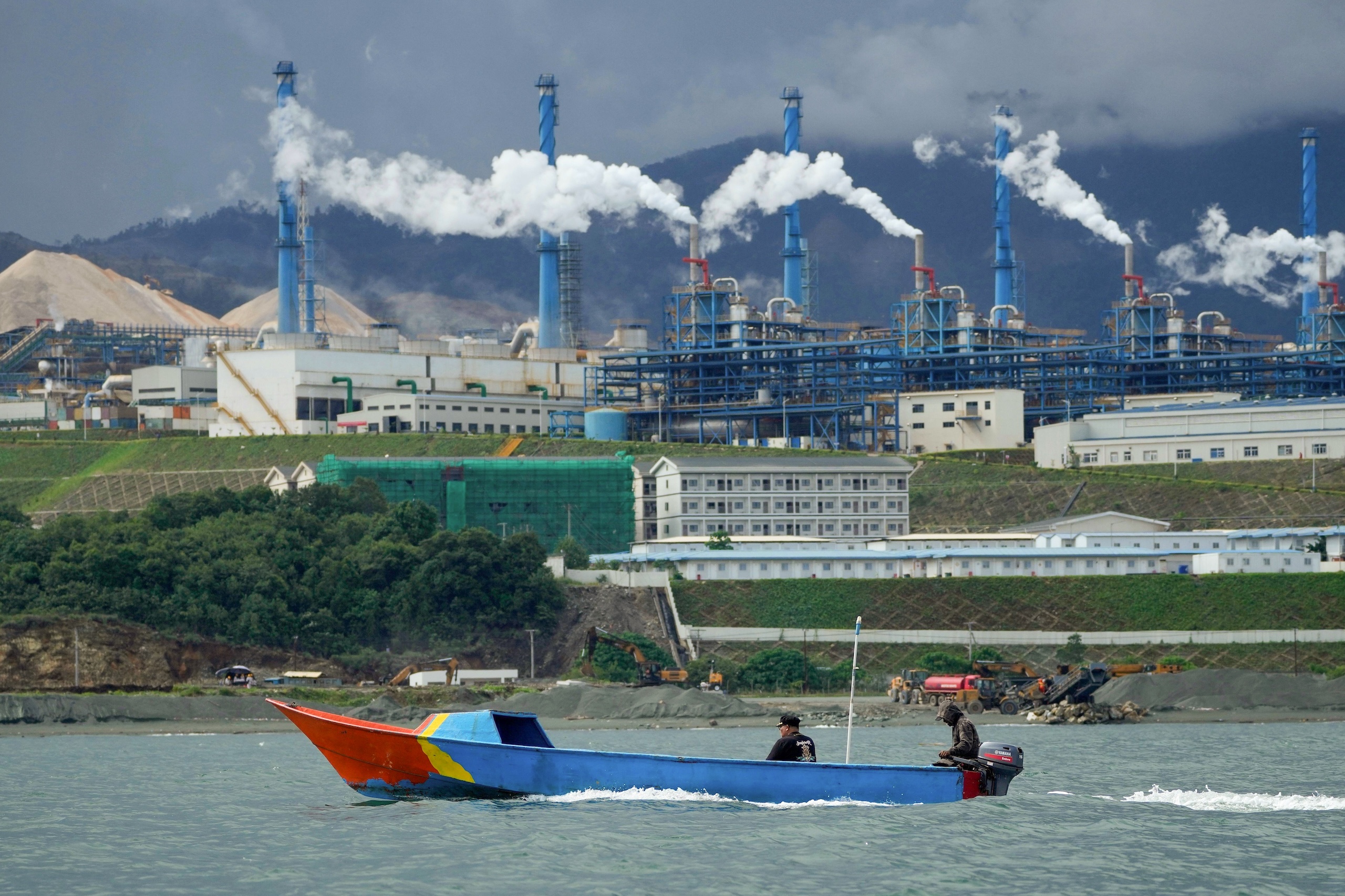
Indonesia, the world's largest nickel producer, aims to lead in battery supply chains for electric vehicles. However, this could hinder global decarbonisation efforts due to the country's heavy reliance on captive coal-fired power plants. Captive coal accounts for nearly 20 gigawatts (GW) of Indonesia's 26 GW of installed power capacity, with nickel production consuming the largest share at 13.9 GW.
Despite the Indonesian government's 2022 regulation to accelerate renewable energy and ban new coal-fired plants, an exemption for captive coal plants linked to strategic projects has enabled continued expansion. Decarbonising the sector is crucial due to Indonesia's significant nickel production and its role in EV batteries. Companies like Vale Indonesia, a subsidiary of the Brazilian mining giant Vale, have made strides in reducing emissions through hydropower plants.
However, other nickel producers show varying levels of emissions intensity depending on their energy needs. The government's National Nickel Industry Decarbonization Roadmap aims to cut greenhouse gas emissions by 81% by 2045 through renewable power deployment, green hydrogen, and biomass.
Written by urgent.news from Dialogue Earth's reporting — not their text. Machine-written — may contain errors; check the original before relying on it.