Perseid meteor shower peaks under perfect skies tonight — here's what to expect
Don't miss the peak of the Perseid meteor shower tonight. Here's when, where and how to see it.
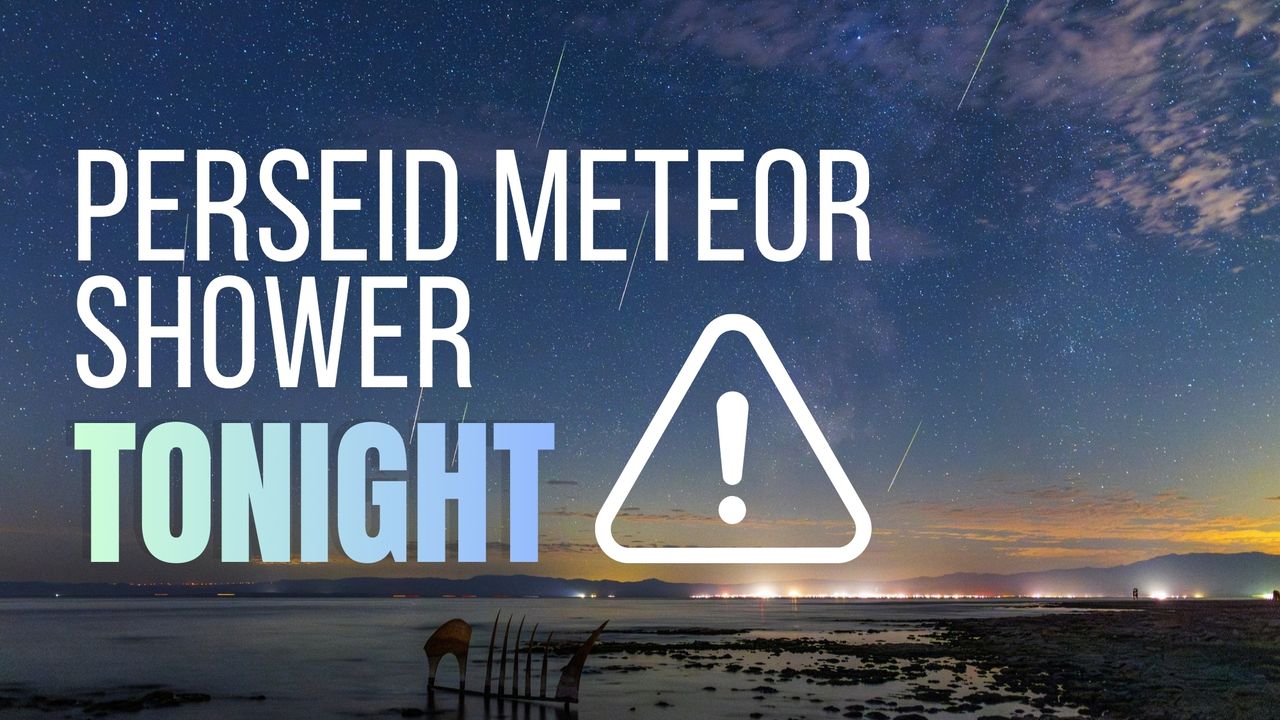
Tonight marks the peak of the Perseid meteor shower, a celestial event that can produce up to 100 meteors per hour under ideal conditions. This year's display is particularly favorable as the peak coincides with the new moon, leaving the night sky dark and unobstructed by moonlight. The best time to observe the Perseids is around 11 p.m. local time, with activity intensifying after midnight and continuing until dawn.
Under clear, dark skies, patient observers may witness dozens of meteors per hour, with the highest rates occurring just before sunrise.
The Perseid meteors originate from the tail of Comet 109P/Swift-Tuttle, as Earth passes through the comet's dusty debris field each year. As tiny particles, often no larger than a grain of sand, collide with Earth's atmosphere at roughly 133,000 mph, they burn up high in the atmosphere, creating the brilliant streaks of light we recognize as meteors or "shooting stars." Every year, Earth crosses the densest dust trail from Comet Swift-Tuttle during the shower's peak.
To observe the Perseids, head to a location with dark skies and minimal light pollution, allowing your eyes about 30 minutes to adapt to the darkness. You don't need to look directly at the constellation Perseus to see the meteors; the longest and brightest ones appear about 45 degrees away from the radiant point. For the best viewing experience, avoid bright screens and use the naked eye.
The meteors seem to radiate from the constellation Perseus due to Earth's rotation into the stream of comet debris, similar to how a car windshield catches more rain than the rear window facing the same direction. While the Perseids will peak tonight, the shower remains active through August 24, providing additional opportunities for observation.
Written by urgent.news from Space.com's reporting — not their text. Machine-written — may contain errors; check the original before relying on it.
This story
This is one outlet's version. Read the fullest account.
- Perseid meteor shower: Dubai Astronomy Group warns stargazers away from Al Khatim Desert gulfnews.com
- NASA hosts Perseid meteor shower 2026 watch party LIVE on YouTube. Here's when and how people across world can join livemint.com
- What to know about the Perseid meteor shower in mid-August mainichi.jp
- The Perseid meteor shower peaks this week: Heres how to see it mashable.com