Meat Wasn't the Only Food That Drove Early Humans to Evolve Bigger Brains. Sugar May Have Fueled the Organ's Enlargement, Too
Scientists examined four million years of hominin diets. They found that natural sugars may have supplied energy—in the form of glucose—to growing brains before cooking made starchy foods easier to digest
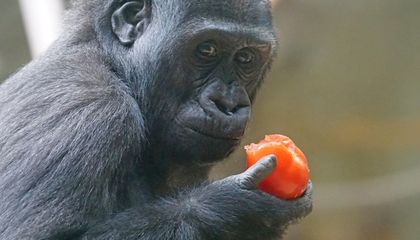
While animal-based foods like meat and fat have long been touted as key drivers of early human brain enlargement, a new study suggests sugar may have played an equally important role. Researchers report in Science that our ancestors likely satisfied their sweet tooth by raiding bee nests for honey and consuming ripe fruit. These sugars powered a brain that, despite making up only 2% of an adult's body weight, consumes about 20% of the body's energy at rest.
The demand for energy is even greater during childhood, with the brain using roughly 66% of the body's energy by age 5. Glucose, derived from carbohydrates, is the primary fuel for the brain, which often comes from starches found in potatoes, corn, and bread, as well as sugars in fruits and honey. Early hominins may have struggled to meet these energy demands without sugar, especially before the advent of cooking.
Indigenous Andeans living in the high mountains of present-day Peru have the highest known numbers of the AMY1 gene, which aids in starch digestion. This could be due to potatoes being a primary calorie source for ancient Andean communities, allowing those who could digest them more easily to thrive and pass down their genes. To explore this, scientists built a model of hominin diets over the past four million years, tracking brain and body size changes as well as the relative proportions of plant and animal foods consumed.
Early hominins likely obtained over 65% of their energy from naturally occurring sugars in fruits and other sweet foods. However, these foods likely became less important once early humans began cooking starchy plants, such as wild yams and later grains, providing an alternative source of glucose. The study highlights sugar's role in brain evolution, but emphasizes that animal products were also crucial.
"I see them as parallel stories, not one replacing the other," says study co-author Jennie Brand-Miller, a human nutrition scientist. Paleoanthropologist Marina Lozano agrees, stating that both animal protein and fats, as well as plant-derived glucose, have been key to human evolution.
Written by urgent.news from Smithsonian's reporting — not their text. Machine-written — may contain errors; check the original before relying on it.