Making transparency the foundation of trust in medicine
Transparency across regulatory bodies, hospital systems, and clinical care can strengthen public faith and trust
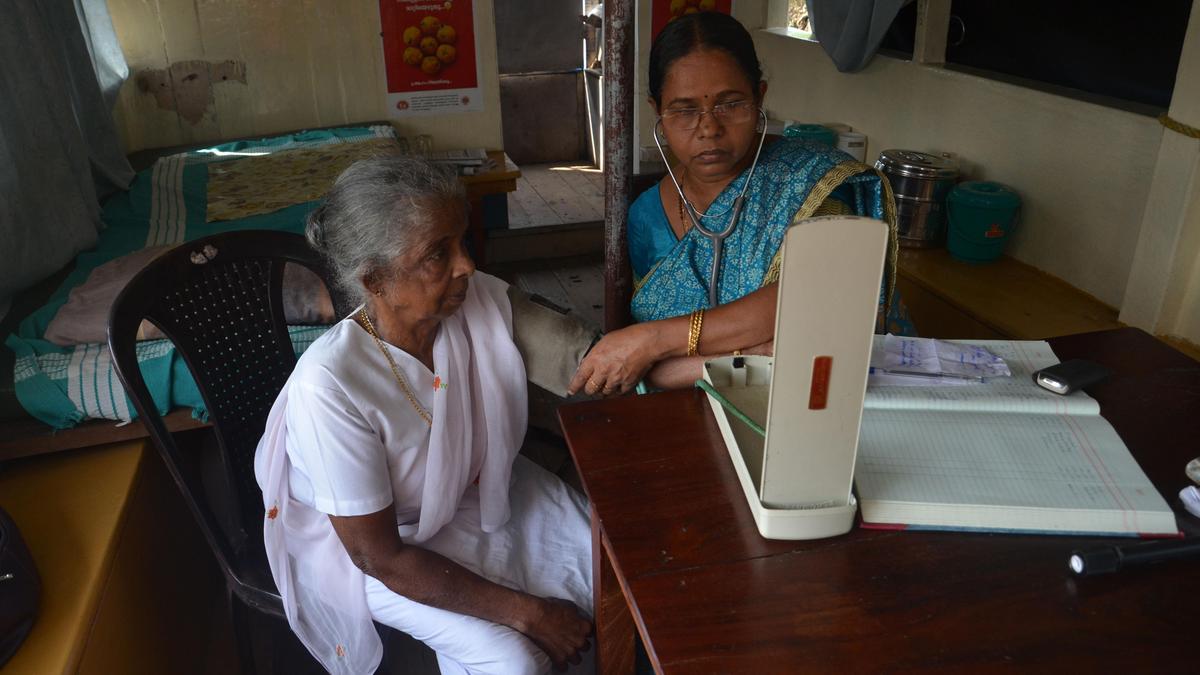
India marked Doctors’ Day on July 1, but the occasion demands reflection beyond gratitude and consideration of structural foundations that sustain public confidence in healthcare. Trust in medicine is often viewed as an isolated bond between patient and doctor, yet it forms much earlier — within institutions regulating care, systems delivering it, and transparency connecting them.
The limitations of this system are evident. The writer attempted to verify a doctor’s credentials on the Tamil Nadu Medical Council (TNMC) website, only to find the process unexpectedly challenging. The system required specific details like the exact registration number, which are not easily available to the public. This highlights a broader question: how much does institutional transparency shape public faith in medicine?
Many western countries maintain public trust through accessible regulatory frameworks. For instance, the United Kingdom’s General Medical Council provides a searchable register for verifying doctors' qualifications, registration status, and history of regulatory restrictions. Similarly, Canada’s provincial Colleges of Physicians and Surgeons require minimal identifying information to view a physician's professional profile.
These organizations emphasize that professional standards are ensured through peer review, continuing education, and clear complaint handling processes. This transparency reassures people that medical practice is open to independent scrutiny, creating a safe environment for individual doctor-patient relationships. India's clinical landscape is evolving, with a highly skilled workforce despite considerable constraints.
While the National Medical Commission has made strides in improving medical education and professional standards, public-facing regulatory transparency remains uneven. State Medical Councils, including the TNMC, maintain digital registers, but accessibility varies. As India advances its digital transformation, user-friendly regulatory portals could significantly reinforce public trust at its foundation.
Between regulatory bodies and individual consultation rooms lie daily care systems — hospitals, clinics, and organizational processes. These workflows heavily influence patient satisfaction, shaping perceptions of fairness before clinical outcomes. System transparency requires clear communication about medical costs, operational processes, and grievance registration pathways.
Crucially, it demands an internal culture of medical auditing. Modern health-care systems, following World Health Organization guidelines, are moving toward "Open Disclosure," which involves honest conversations with patients or families when mistakes occur. This requires acknowledging incidents, explaining their causes, and detailing steps to prevent recurrence.
Formalising open disclosure at clinical care levels could be transformative. When hospitals support doctors in being transparent about clinical uncertainties or complications, they reduce emotional burdens on practitioners and prevent potential friction with families. Lack of clear information breeds suspicion; opaque processes quickly generate public dissatisfaction, even if clinical care was appropriate.
This friction often arises from a mismatch between patients' expectations and experiences, not malice. India has witnessed a concerning rise in violence against healthcare workers, with over 75% of doctors reporting workplace violence. Deep-seated systemic mistrust often sparks conflict. Transparency can act as a protective shield, reducing individual frontline doctors becoming sole targets of family anger and resentment.
In high-stress settings, transparency is vital. A system that openly discusses limitations and constraints within clinical care minimizes the likelihood of doctors becoming conflict targets. At the doctor-patient relationship level, transparency transitions from policy to a human interaction. Modern patients expect clarity on who is treating them and why specific clinical decisions are made.
This includes explaining diagnoses in plain language, detailing investigation rationales, discussing therapeutic alternatives, and being transparent about costs and complications. Proactive, periodic updates on a patient's progress — or lack thereof — can ease family distress. Shared decision-making, recognizing transparency in treatment as about relationships, not just data, is increasingly expected.
However, to fully integrate transparency into modern medicine, it must be part of medical training. This cannot be taught solely in lecture halls.
Written by urgent.news from The Hindu - Sci-Tech's reporting — not their text. Machine-written — may contain errors; check the original before relying on it.
This story
This is one outlet's version. Read the fullest account.