Saving old trees may protect people's health more than planting new ones, study of Chicago neighborhoods finds
A study tracking tree cover in Chicago over 11 years found that neighborhoods losing canopy saw death rates climb, especially in the city's hottest areas.
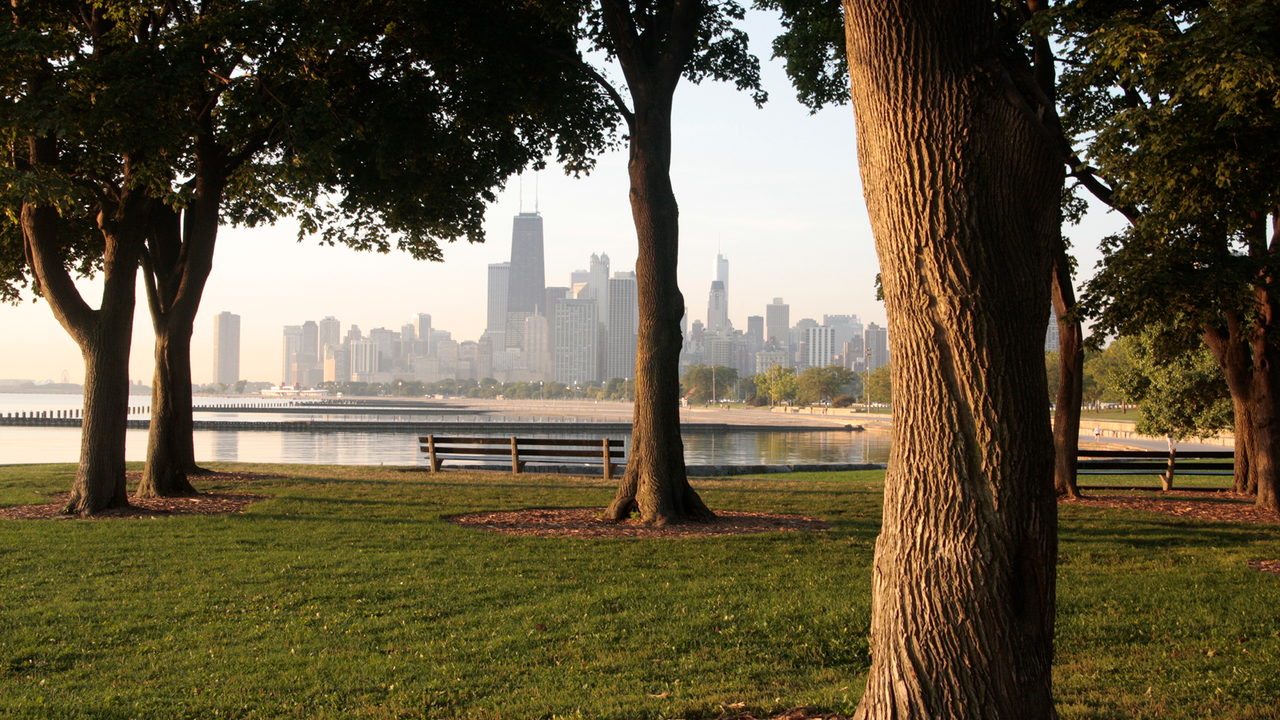
A recent study published in GeoHealth suggests that preserving mature trees in neighborhoods may be more beneficial for human health than planting new ones. Researchers tracked tree canopy cover and mortality across Chicago neighborhoods over an 11-year period. They found that it wasn't the quantity of trees in a neighborhood that correlated with residents' survival, but rather whether the overall tree canopy was expanding or contracting from one year to the next.
Neighborhoods experiencing declining tree cover saw increasing death rates, particularly in the hotter parts of the city, while neighborhoods with increasing canopy saw decreasing death rates.
While the study cannot definitively prove that losing trees directly caused the rise in death rates, it adds to growing evidence that urban tree cover plays a critical role in shielding people from extreme heat as the planet warms. Trees offer cooling benefits by shading pavement and buildings and releasing water vapor, which lowers surrounding air temperatures.
The study's findings emphasize that the research methodology, which tracked changes in canopy over time, was more insightful than previous studies that relied on single snapshots of a neighborhood's greenery.
The study's results align with the understanding that trees have health benefits, but this research highlights how the researchers measured that impact. The findings support the idea that protecting existing mature trees may be more important than focusing on planting new ones.
Written by urgent.news from Live Science's reporting — not their text. Machine-written — may contain errors; check the original before relying on it.