Making transparency the foundation of trust in medicine
Transparency across regulatory bodies, hospital systems, and clinical care can strengthen public faith and trust
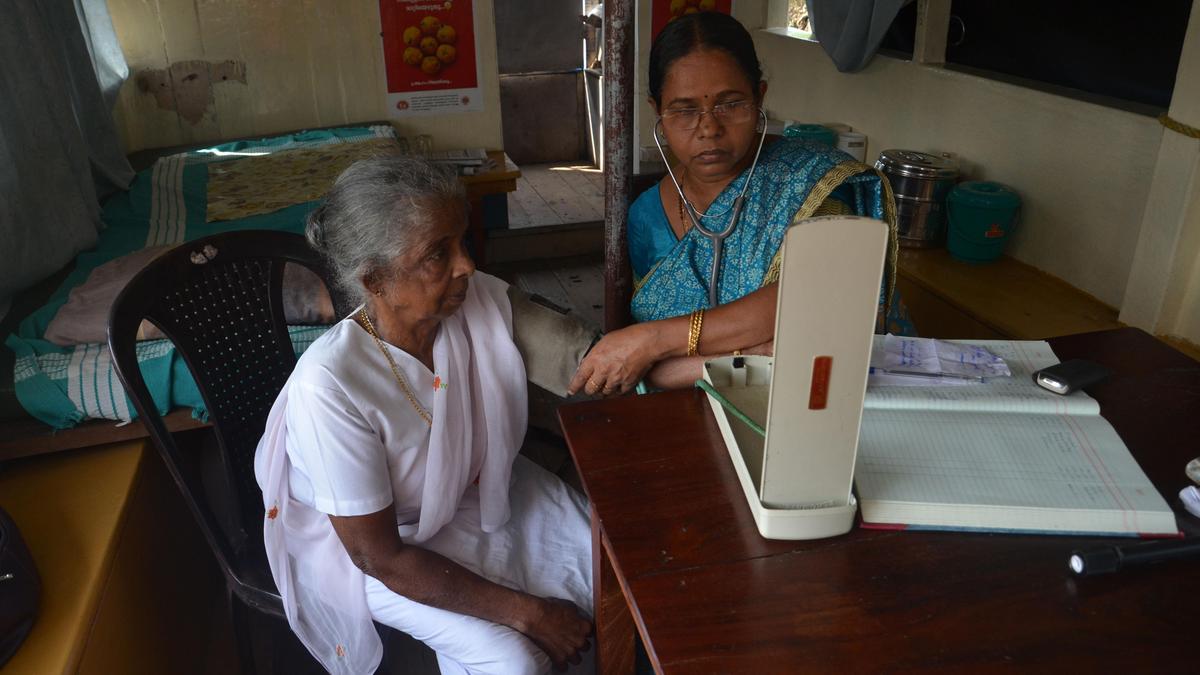
On July 1, India recognized Doctors’ Day, prompting a reflection on the structural elements that sustain public trust in healthcare. Trust in medicine is more than a bond between patient and physician; it begins within the institutions regulating care, the systems delivering it, and the transparency connecting them. A personal experience—trying to verify a doctor’s credentials on the Tamil Nadu Medical Council (TNMC) website—highlighted the challenges of accessing essential information.
This raises a crucial question: how does institutional transparency influence public faith in medicine?
In contrast, many Western countries maintain high public trust through accessible regulatory frameworks. For instance, the UK’s General Medical Council provides a searchable register for verifying doctors' qualifications and history of regulatory restrictions. Similarly, Canada’s provincial Colleges of Physicians and Surgeons require minimal information to view a physician's professional profile.
These systems signal that professional standards are upheld through peer review, continuing education, and clear complaint-handling processes, fostering an environment of independent scrutiny.
India’s medical landscape is improving, with a skilled workforce, yet public-facing regulatory transparency varies. State Medical Councils have digital registers, yet navigating them remains uneven. Enhancing user-friendly access to these portals could significantly bolster public trust at its foundational level. Between regulatory bodies and individual consultations lie the operational systems—hospitals, clinics, and processes.
These workflows directly impact patient satisfaction, shaping perceptions of fairness before any clinical outcome is reached. Transparency requires clear communication about medical costs, operational processes, and grievance registration channels. Importantly, it demands an internal culture of medical auditing, moving away from blaming individuals to identifying systemic design flaws that cause errors.
This requires a formal culture of “Open Disclosure,” a practice where acknowledging mistakes, explaining their occurrence, and detailing preventive measures becomes a professional obligation.
Implementing open disclosure at the clinical level could transform healthcare. When hospitals encourage doctors to be transparent about clinical uncertainties or complications, it alleviates the emotional burden on practitioners and mitigates potential conflicts with families. Opaque processes breed suspicion and dissatisfaction, even when clinical care is appropriate.
Much of this frustration stems from mismatched expectations, not malice. India has seen a rise in violence against healthcare workers, with over 75% of doctors reporting some form of workplace violence. Deep-seated systemic mistrust often fuels such conflicts. Transparency acts as a protective shield, reducing the likelihood of individual doctors becoming targets of family anger and resentment in high-stress settings.
A system that openly addresses limitations reduces the likelihood of doctors becoming sole targets of frustration.
At the core of the profession, the doctor–patient relationship is a space for high-stakes, vulnerable decisions. Transparency shifts from policy to a human interaction. Modern patients expect clarity about their treating doctors and the rationale behind clinical decisions. This means explaining diagnoses in plain language, detailing the rationale behind investigations, discussing therapeutic alternatives, and being transparent about costs and complications.
Regular updates on a patient’s progress, or lack thereof, can significantly ease family distress. This shift toward shared decision-making recognizes that transparency in treatment is about relationships, not just data.
To embed transparency as a core part of modern medicine, it must be integrated into medical training. This comprehensive approach should go beyond lecture halls, fostering a culture where openness is a standard practice.
Written by urgent.news from The Hindu Health's reporting — not their text. Machine-written — may contain errors; check the original before relying on it.