Iran war live: US, Tehran exchange opposing claims over Hormuz control
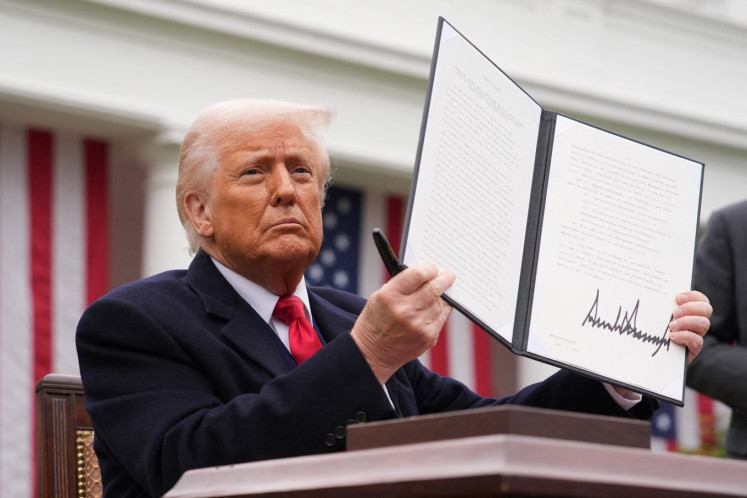
President Trump again insists US has 'total control' of strait, while Tehran resolute that the US must meet its demands.
Epic attempts to reach a lasting peace between the United States and Iran have stalled, as the two nations remain divided over reviving an interim agreement and fulfilling its terms. Recent attacks on shipping through the Strait of Hormuz have exacerbated tensions, with both sides blaming each other for breaches of commitments. The June agreement called for an immediate and permanent end to military operations, but disagreements over Iran reopening the vital shipping route have prevented a breakthrough.
US President Donald Trump has repeatedly threatened further escalation, while Iran maintains that Washington has not honored its obligations, including lifting a blockade on Iranian ports and releasing frozen assets. Despite mediators' efforts to discuss returning to the interim agreement and defining a timeline for implementation, no progress has been made.
Trump claimed total control over the Strait of Hormuz, but Iran's Persian Gulf Strait Authority insisted the waterway remained closed until Tehran's conditions were met. The conflict has claimed thousands of lives since its start in February, with Iran retaliating against US assets in multiple countries. The June interim ceasefire allowed a 60-day negotiation window, but Iran rejects claims that Pakistan helped extend this period.
The Strait of Hormuz, carrying about a fifth of global oil supplies, has seen volatile oil prices and uncertainty in the market due to ongoing attacks and shifting signals from the US and Iran.
Written by urgent.news from The Vibes's reporting — not their text. Machine-written — may contain errors; check the original before relying on it.
This story
This is one outlet's version. Read the fullest account.
- Trump says US has 'total control' over Strait of Hormuz al-monitor.com
- Trump Claims 'Total Control' over Strait of Hormuz world.kbs.co.kr
- World : Trump Says Us Has 'Total Control' Over Strait Of Hormuz bernama.com
- US-Iran peace efforts stall as Hormuz remains closed after fresh shipping attacks thevibes.com
- Strait of Hormuz remains blocked; claims don't change reality: Iran dismisses Trump's 'total US control' claims gulfnews.com
- 'I think we'll keep it': Trump says US controls Hormuz, IDF believes blockade 'highly effective' jpost.com
- Trump says US has ‘total control’ over Strait of Hormuz freemalaysiatoday.com